

Kingsgrove Branch:


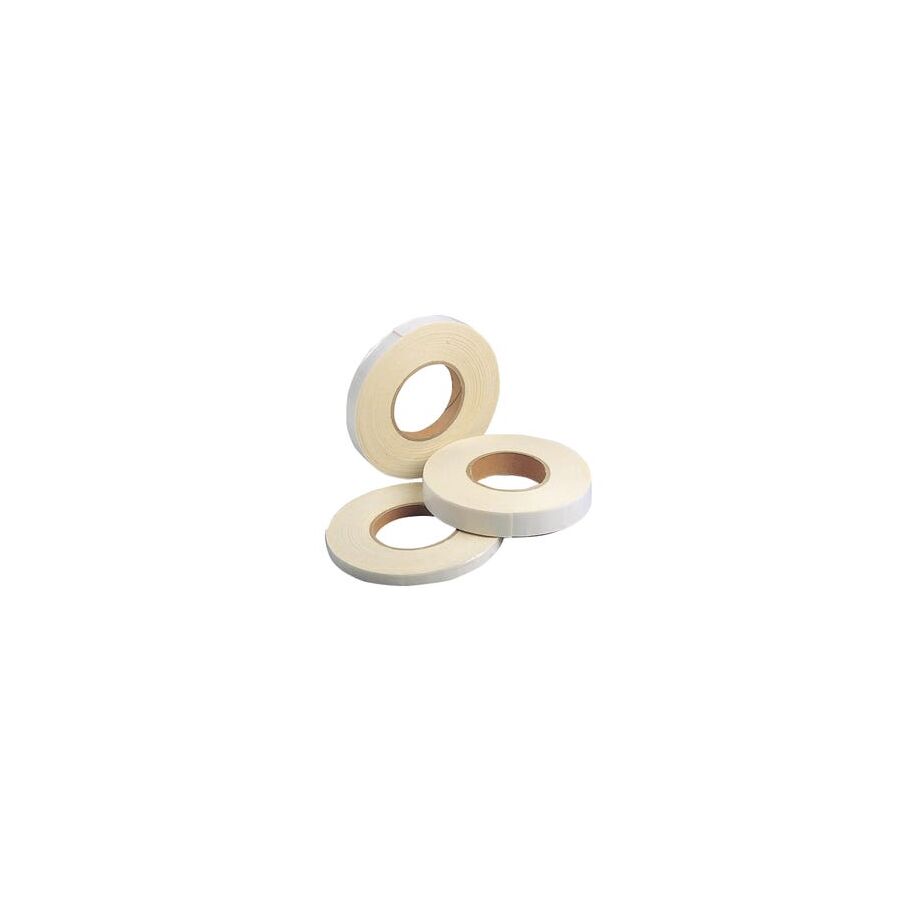
In the contemporary engineering and construction landscape of Australia, the methodology for joining dissimilar materials has evolved significantly. The traditional reliance on mechanical fasteners—screws, rivets, and welds—is being progressively supplemented by advanced chemical bonding technologies. Among these, industrial double sided foam tape has emerged as a critical component for structural mounting, sealing, and vibration damping. Unlike thin film tapes, foam-based systems utilise a compressible carrier, typically Polyethylene (PE) or Polyurethane (PU), which allows for the bonding of irregular surfaces and the distribution of stress loads. For industrial designers, facility managers, and electrical contractors, understanding the viscoelastic properties of foam carriers, the distinction between open-cell and closed-cell structures, and the correct application protocols is essential for achieving a permanent bond that withstands the harsh thermal cycling and UV exposure typical of the Australian climate.
The defining characteristic of this tape category is the foam core. From an engineering perspective, the foam serves two primary functions: gap filling and stress relaxation. In construction environments, surfaces are rarely perfectly flat. A textured rendered wall, a checker-plate floor, or a powder-coated switchboard cabinet all possess "macro-texture."
A thin film tape would only contact the "peaks" of these textures, resulting in minimal surface contact and poor adhesion. The foam carrier, however, is compressible. When pressure is applied, the foam deforms to flow into the "valleys," ensuring 100% surface contact. Furthermore, the foam acts as a shock absorber. In dynamic environments where components are subject to vibration—such as mounting sensors on HVAC ducting—the foam core isolates the bond line from the mechanical energy, preventing the adhesive from shearing. Schnap Electric Products manufactures a range of high-density foam tapes designed specifically for this purpose, ensuring that mounted components remain secure even under constant mechanical oscillation.
The performance of the tape is dictated by the chemical formulation of the adhesive coated onto the foam carrier. Two primary adhesive systems dominate the industrial market:
When selecting products for external mounting, such as securing external conduit saddles or signage, engineers must specify acrylic-based systems to prevent failure.
Australia’s climate presents a challenge regarding the Coefficient of Thermal Expansion (CTE). When bonding two dissimilar materials—for example, an aluminium composite panel to a galvanised steel frame—the two metals will expand and contract at different rates as the ambient temperature shifts from 10°C at night to 40°C during the day.
A rigid mechanical fastener creates a stress point that can lead to buckling or cracking. The viscoelastic nature of high-quality foam tape allows it to move with the materials. The foam stretches and relaxes internally to accommodate the differential expansion without breaking the bond. This "stress relaxation" capability is vital for the longevity of building facades and external electrical enclosures.
In the electrical sector, double sided foam tape is frequently used for the rapid deployment of lightweight containment systems. Installing PVC mini-trunking or data raceways using Schnap Electric Products heavy-duty mounting tape eliminates the need for drilling into masonry. This preserves the fire rating of the wall partition and eliminates the generation of hazardous silica dust, a key WHS consideration.
Furthermore, these tapes are essential for mounting ancillary devices inside control panels. Attaching Din-rail cutters, document holders, or small thermostats using tape avoids the risk of drilling into the backplate and potentially damaging components on the reverse side. It allows for a clean, swarf-free installation.
The most common cause of failure in adhesive bonding is not the tape itself, but the lack of understanding regarding "Surface Energy." High surface energy materials (metals, glass) are easy to bond. Low surface energy materials (polyethylene, powder-coated paints) repel adhesive.
To ensure a permanent bond, professional installers must prepare the surface. This involves cleaning the substrate with an isopropyl alcohol (IPA) solution to remove oils, dust, and plasticiser migration. For difficult surfaces, a primer may be required. When sourcing these critical installation materials, a project manager will typically consult a specialised electrical wholesaler to ensure they are purchasing the correct primer and tape combination for the specific substrate, whether it be glass, masonry, or plastic.
The cellular structure of the foam determines its environmental resistance.
For any exterior application or electrical sealing requirement, closed-cell foam is mandatory. Schnap Electric Products foam tapes utilise a closed-cell polyethylene construction, allowing them to act as a hermetic seal against moisture ingress when compressed, effectively functioning as a gasket as well as a fastener.
The utilization of industrial foam tape represents a shift towards cleaner, faster, and often stronger assembly methods. It allows for the aesthetic joining of materials without visible fasteners, provides superior stress distribution, and seals against environmental elements. By understanding the science of the foam carrier, selecting the correct adhesive chemistry for the environment, and utilizing robust products from trusted brands like Schnap Electric Products, industry professionals can ensure that their bonds remain permanent and reliable. In the physics of adhesion, the ability to adapt and compress is the key to strength.

SCHNAP Electrical Wholesaler - clear, upfront pricing that professional electricians trust

Get what you need in seconds. SCHNAP electrical wholesaler makes ordering quick and simple

Fast delivery anywhere - that's guaranteed. SCHNAP electrical wholesalers ship nationwide with same-day dispatch

Track your order every step of the way. SCHNAP electrical wholesale keeps you updated from click to delivery

SCHNAP is Australia's premier electrical wholesaler and electrical supplies, marketing thousands of quality products from leading brands. Trusted for nearly two decades by licensed electricians, contractors, and engineers, our range covers everything from basic electrical components to complex industrial electrical equipment
Our key categories include: LED lighting, designer switches, commercial switchboards, circuit protection, security systems & CCTV, and smart home automation
All products are certified to Australian standards (AS/NZS), backed by our 30-day, no-questions-asked return policy. Our expert technical team helps you quickly source the right solution for any residential, commercial, or industrial project, with daily dispatch from our Sydney electrical warehouse delivering Australia-wide
SCHNAP offers the most comprehensive electrical product range, with full technical specifications, application details, installation requirements, compliance standards, and warranties — giving professionals total confidence in every purchase


Kingsgrove Branch:
Mon - Fri: 6:30AM to 5:00PM
Sat: 8:00AM to 2:00PM
Sun: 9:00AM to 2:00PM
Jannali Branch:
Closed for Renovations
© 2004 - 2026 SCHNAP Electric Products