

Kingsgrove Branch:


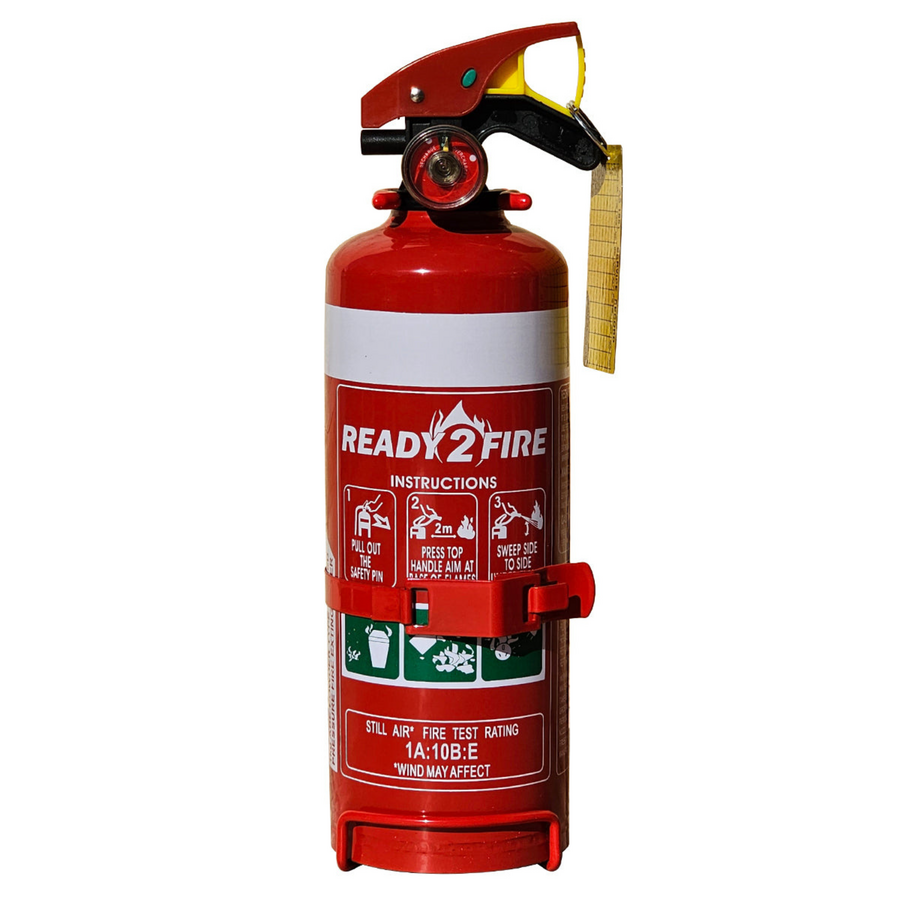
In the complex landscape of Australian Work Health and Safety (WHS), the provision of effective first-attack fire suppression is a mandatory requirement for all commercial and industrial facilities. While specialised agents exist for specific hazards—such as Carbon Dioxide for clean electrical environments or Wet Chemical for commercial kitchens—the ubiquity of the dry chemical fire extinguisher (commonly referred to as the DCP or ABE extinguisher) cannot be overstated. It is the veritable workhorse of the Australian fire safety industry. For facility managers, safety officers, and building services engineers, possessing a granular understanding of the chemical composition, operational limitations, and maintenance protocols of these units is essential for ensuring a compliant and safe operational environment.
To understand the efficacy of this unit, one must analyse its contents. The standard "ABE" extinguisher is charged with a fine powder consisting primarily of monoammonium phosphate and ammonium sulphate. This powder is pressurised within the steel cylinder using dry nitrogen gas.
The suppression mechanism is multifaceted, allowing it to combat three distinct classes of fire. When discharged, the powder acts as a thermal ballast, absorbing heat from the flame front. Crucially, upon contact with burning solids (Class A), the monoammonium phosphate melts to form a sticky, molten residue. This residue coats the fuel surface, sealing it from oxygen and preventing re-ignition. For flammable liquids (Class B) and electrical fires (Class E), the powder interrupts the chemical chain reaction of combustion, providing rapid "knockdown" of the flames.
The distinguishing feature of this unit, visually identified by a white band around the top of the red cylinder, is its versatility. Under Australian Standard AS/NZS 1841.5, these units are rated for:
This broad spectrum of coverage makes the ABE unit the default specification for mixed-use environments, such as warehouses, office blocks, and general plant rooms where multiple hazard types may coexist.
While the ABE extinguisher is rated for Class E fires (meaning it will not electrocute the operator), it is not a "clean" agent. The fine powder is highly abrasive, hygroscopic (absorbs moisture), and corrosive to metals such as copper and aluminium.
From an asset management perspective, this presents a significant challenge. If a DCP unit is discharged into a switchboard containing sensitive electronic components or high-value Schnap Electric Products switchgear, the collateral damage can be catastrophic. The powder will ingress into the contactors and circuit breakers. Over time, the powder absorbs atmospheric moisture, creating an acidic paste that corrodes the electrical contacts. Consequently, while safe for life preservation, professional engineers often recommend CO2 extinguishers for server rooms or main switchboards to protect the integrity of assets like Schnap Electric Products automation controllers, reserving DCP units for general floor areas.
The production and testing of these pressure vessels are strictly governed by AS/NZS 1841. A compliant unit must bear the StandardsMark (the "five ticks") or an equivalent certification. The cylinder must be manufactured from high-grade steel capable of withstanding the internal nitrogen pressure, typically charged to 1000–1500 kPa.
The valve assembly requires precision engineering to ensure it holds pressure over a five-year service cycle. Inferior valves can leak nitrogen, rendering the unit useless in an emergency. This is why the pressure gauge is a critical visual indicator; the needle must remain in the green zone.
The market for safety equipment is unfortunately flooded with non-compliant, low-cost imports that may fail during operation. To mitigate liability and ensure robust performance, professional contractors do not source life-safety equipment from generalist hardware chains. Instead, they utilise a specialised electrical wholesaler or dedicated fire safety supplier to procure their extinguishers.
A dedicated wholesaler acts as a quality gatekeeper, ensuring that the stock is fresh. Fire extinguishers have a date of manufacture stamped on the cylinder, and sourcing from a high-turnover trade supplier ensures the unit has a full service life ahead of it. Through these legitimate trade channels, installers can also access the necessary Schnap Electric Products mounting accessories—such as heavy-duty vehicle brackets and wall hooks—required to secure the heavy cylinders in high-vibration environments like transport fleets or industrial machinery.
Maintenance of dry chemical units involves a specific protocol mandated by AS 1851. Unlike liquid extinguishers, the powder in a DCP unit is susceptible to "packing" or compaction. Vibration from machinery or transport can cause the fine powder to settle at the bottom of the cylinder, forming a solid brick.
If the unit is activated in this state, the nitrogen gas may tunnel through the solid powder, discharging only gas and leaving the suppressant behind. To prevent this, maintenance technicians perform a routine "inversion" service. The unit is turned upside down and shaken to loosen the powder, ensuring it remains free-flowing. This procedure, combined with pressure checks and hose inspections, is vital for reliability.
The dry chemical powder extinguisher is a fundamental component of the fire protection strategy. Its ability to tackle multiple fuel sources makes it an indispensable tool for first response. However, its application requires professional judgement regarding the potential for corrosive damage to electrical infrastructure. By adhering to the manufacturing standards of AS/NZS 1841, sourcing equipment through reputable channels, and employing rigorous maintenance regimes, facility managers can ensure that their defence against fire is robust and reliable. In the protection of life and property, versatility and reliability are the benchmarks of success.

SCHNAP Electrical Wholesaler - clear, upfront pricing that professional electricians trust

Get what you need in seconds. SCHNAP electrical wholesaler makes ordering quick and simple

Fast delivery anywhere - that's guaranteed. SCHNAP electrical wholesalers ship nationwide with same-day dispatch

Track your order every step of the way. SCHNAP electrical wholesale keeps you updated from click to delivery

SCHNAP is Australia's premier electrical wholesaler and electrical supplies, marketing thousands of quality products from leading brands. Trusted for nearly two decades by licensed electricians, contractors, and engineers, our range covers everything from basic electrical components to complex industrial electrical equipment
Our key categories include: LED lighting, designer switches, commercial switchboards, circuit protection, security systems & CCTV, and smart home automation
All products are certified to Australian standards (AS/NZS), backed by our 30-day, no-questions-asked return policy. Our expert technical team helps you quickly source the right solution for any residential, commercial, or industrial project, with daily dispatch from our Sydney electrical warehouse delivering Australia-wide
SCHNAP offers the most comprehensive electrical product range, with full technical specifications, application details, installation requirements, compliance standards, and warranties — giving professionals total confidence in every purchase


Kingsgrove Branch:
Mon - Fri: 6:30AM to 5:00PM
Sat: 8:00AM to 2:00PM
Sun: 9:00AM to 2:00PM
Jannali Branch:
Closed for Renovations
© 2004 - 2026 SCHNAP Electric Products