

Kingsgrove Branch:


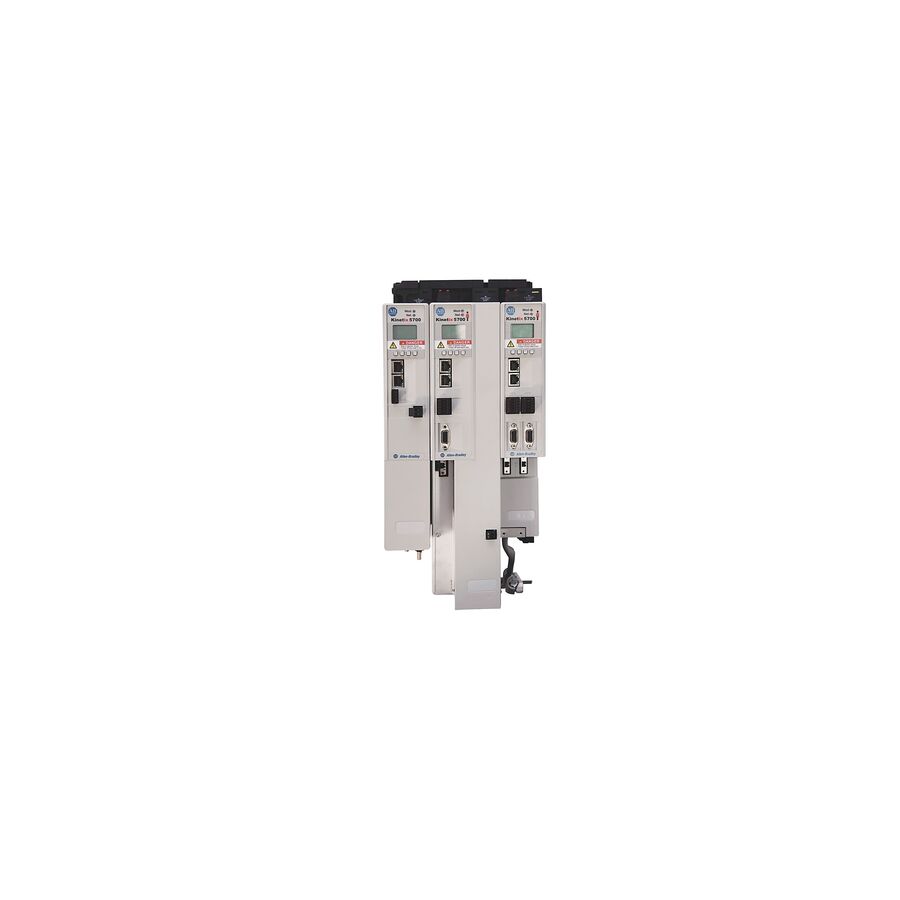
Australian manufacturing continues to evolve under Industry 4.0. From automated food processing lines to robotic welding cells and packaging systems, machine builders are under pressure to reduce cabinet size while improving dynamic performance. Space inside control panels is valuable. Efficiency and reliability are critical.
The traditional approach of installing separate drives for each motor is increasingly inefficient. A Dual Axis Inverter Module addresses this challenge by integrating two independent inverter stages into a single chassis. Both axes share a common rectifier and DC bus.
This architecture reduces panel width, simplifies wiring and improves energy performance. For OEMs and system integrators aligned with SCHNAP’s strategy of delivering smarter electrical solutions, dual-axis technology represents a practical upgrade in automation design.
The key technical advantage of a Dual Axis Inverter Module is the shared DC bus. In a standard drive, incoming AC power is rectified to DC and stored in a capacitor bank. The inverter stage then converts DC back into variable frequency AC for motor control.
In a dual-axis configuration, both inverter stages draw from the same DC reservoir. This enables regenerative energy sharing.
In many applications such as gantry loaders, winding machines or pick-and-place systems, one axis may be accelerating while the other is decelerating. When a motor decelerates, it behaves like a generator and feeds energy back into the DC link.
With standalone drives, this excess energy is dissipated through braking resistors as heat. In a shared DC bus system, that regenerated energy is redirected to the accelerating motor.
This internal recycling can reduce total power consumption significantly. It lowers heat generation and decreases operational expenditure. In energy-intensive Australian manufacturing environments, efficiency improvements directly impact profitability.
Control cabinet space is limited. Installing two separate drives requires duplicated rectifiers, DC capacitors and protective components.
A Dual Axis Inverter Module consolidates these elements into one chassis. This can reduce drive system width by up to 50 percent compared to two standalone units.
Reduced footprint allows OEMs to design smaller machines. Smaller panels reduce material cost and simplify installation.
For system builders sourcing components from SCHNAP Electric Products, compact solutions align with the demand for efficient and scalable automation infrastructure.
In multi-axis systems where two motors drive a single mechanical structure, synchronisation is critical. Examples include CNC gantries, overhead cranes and long-axis positioning systems.
Using separate drives introduces potential communication latency over fieldbus networks such as EtherCAT or Profinet. Even minor timing differences can cause skewing or mechanical stress.
A Dual Axis Inverter Module processes both control loops within the same processor cycle. This enables extremely tight synchronisation.
Accurate position tracking ensures the gantry moves evenly without binding or structural strain.
Improved synchronisation enhances product quality, reduces mechanical wear and extends machine life.
Concentrating two inverter stages into one chassis increases thermal density. Heat dissipation must be managed carefully.
Engineers must calculate total watt losses and ensure proper ventilation. Many dual-axis modules feature push-through or cold-plate heatsink designs. In this configuration, cooling fins extend outside the cabinet, allowing heat to dissipate into ambient air.
Internal air circulation remains necessary to protect DC capacitors and control electronics.
SCHNAP Electric Products filter fans and exhaust grilles support positive pressure airflow inside control panels. Proper thermal management prevents derating and ensures full performance under load.
Reliable cooling aligns with SCHNAP’s commitment to practical installation solutions that improve long-term durability.
Dual-axis drives switch high currents at high frequencies. Pulse Width Modulation generates electromagnetic noise. Proper EMC practices are essential.
Shielded motor cables must be terminated correctly to ensure 360-degree bonding at the drive chassis. EMC glands and cable clamps reduce interference and protect sensitive control circuits.
Input protection is also critical. A fault in the shared rectifier stage affects both axes. Motor Protection Circuit Breakers or high-speed semiconductor fuses isolate faults rapidly and protect downstream components.
Clear cable identification using numbered ferrules and markers simplifies commissioning and maintenance.
SCHNAP Electric Products supports installers with the accessories needed to maintain clean, compliant control panels.
Dual-axis modules often include safety functions such as Safe Torque Off. Proper distribution of 24V DC control power ensures reliable operation of safety circuits.
DIN rail terminals and cross-connection bridges simplify distribution of control voltage.
A clean and organised wiring layout reduces troubleshooting time and improves reliability.
For automation contractors, sourcing compatible accessories from a single supplier simplifies project logistics and ensures consistent quality.
Selecting a Dual Axis Inverter Module requires careful load analysis. Both motoring and regenerative loads must be considered.
Undersized modules may experience DC bus over-voltage trips during high-inertia deceleration. Proper sizing ensures stable operation across duty cycles.
Working with knowledgeable suppliers reduces specification errors. SCHNAP Electric Products supports trade professionals by providing reliable components and practical guidance for integration into Australian manufacturing systems.
Australian manufacturers seek faster machines, smaller footprints and lower energy consumption. Dual-axis inverter technology supports these goals.
By sharing DC bus energy and consolidating hardware, systems become more efficient and compact.
SCHNAP aligns with this shift by supporting electricians, automation contractors and OEMs with dependable supply and compatible panel accessories.
Our strategy focuses on practical solutions that help trade professionals complete projects efficiently while maintaining performance and compliance.
The Dual Axis Inverter Module represents a modern approach to multi-axis motion control. Through shared DC bus architecture, regenerative energy exchange and integrated synchronisation, it enhances efficiency and machine performance.
When combined with proper EMC practices, thermal management and robust protection devices, it delivers reliable operation in demanding Australian manufacturing environments.
At SCHNAP Electric Products, we support automation professionals with quality components that integrate seamlessly into advanced control systems. Smarter integration leads to better performance, reduced energy consumption and long-term reliability in modern industrial applications.

SCHNAP Electrical Wholesaler - clear, upfront pricing that professional electricians trust

Get what you need in seconds. SCHNAP electrical wholesaler makes ordering quick and simple

Fast delivery anywhere - that's guaranteed. SCHNAP electrical wholesalers ship nationwide with same-day dispatch

Track your order every step of the way. SCHNAP electrical wholesale keeps you updated from click to delivery

SCHNAP is Australia's premier electrical wholesaler and electrical supplies, marketing thousands of quality products from leading brands. Trusted for nearly two decades by licensed electricians, contractors, and engineers, our range covers everything from basic electrical components to complex industrial electrical equipment
Our key categories include: LED lighting, designer switches, commercial switchboards, circuit protection, security systems & CCTV, and smart home automation
All products are certified to Australian standards (AS/NZS), backed by our 30-day, no-questions-asked return policy. Our expert technical team helps you quickly source the right solution for any residential, commercial, or industrial project, with daily dispatch from our Sydney electrical warehouse delivering Australia-wide
SCHNAP offers the most comprehensive electrical product range, with full technical specifications, application details, installation requirements, compliance standards, and warranties — giving professionals total confidence in every purchase


Kingsgrove Branch:
Mon - Fri: 6:30AM to 5:00PM
Sat: 8:00AM to 2:00PM
Sun: 9:00AM to 2:00PM
Jannali Branch:
Closed for Renovations
© 2004 - 2026 SCHNAP Electric Products