

Kingsgrove Branch:


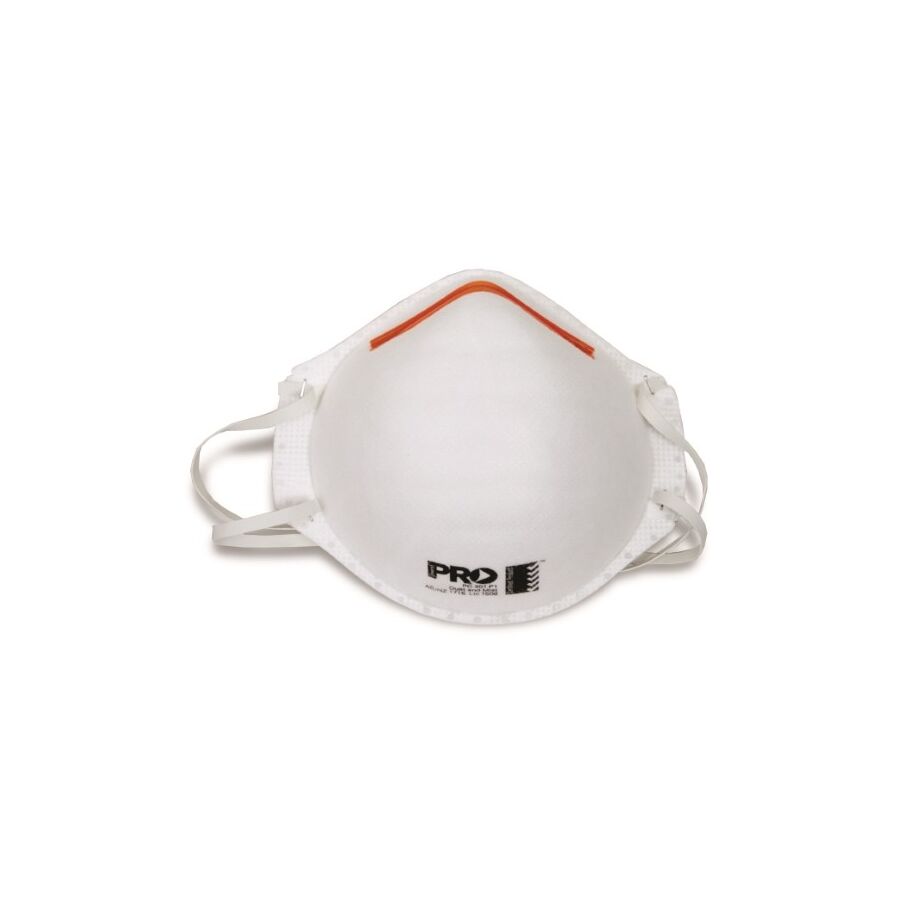
In the rigorous domain of Australian Work Health and Safety (WHS), the control of airborne contaminants is a foundational pillar of site compliance. The industrial landscape has shifted dramatically following the reclassification of hazards such as Respirable Crystalline Silica (RCS), necessitating a move away from casual safety practices towards a strictly regulated approach to Personal Protective Equipment (PPE). The humble disposable face piece, technically defined as a particulate dust mask respirator, is the most ubiquitous form of defence against long-latency lung diseases. For safety officers, site supervisors, and business owners, distinguishing between a non-compliant "comfort mask" and a certified respirator is a critical competency required to meet Duty of Care obligations under the WHS Act.
To effectively select respiratory gear, industry professionals must reference Australian Standard AS/NZS 1716 (Respiratory protective devices). This standard provides the technical criteria for filtration efficiency and breathing resistance. A critical distinction must be made: a mask that does not bear the AS/NZS 1716 certification mark is not a respirator; it is merely a hygiene cover and offers no protection against fine industrial particulates.
The standard categorises particulate filters into three classes:
The urgency surrounding the correct deployment of P2 respirators is driven by the prevalence of silicosis in the Australian workforce. The cutting, grinding, or drilling of concrete, brick, and engineered stone releases microscopic silica shards that penetrate the deep alveolar region of the lungs.
This hazard is not limited to stonemasons. It is a significant risk in the electrical and data sectors. Consider the installation of cable pathways in a concrete tilt-panel facility. The process of chasing walls or drilling anchor points to mount heavy-duty Schnap Electric Products cable trays generates a concentrated plume of hazardous dust. In this scenario, the respirator is not an optional accessory; it is a critical life-safety asset. The use of a compliant mask ensures that while the Schnap Electric Products infrastructure is securely fixed to the structure, the installer remains protected from the irreversible scarring associated with silica inhalation.
Topical authority on respiratory protection mandates a stern focus on AS/NZS 1715 (Selection, use and maintenance of respiratory protective equipment). This standard dictates that the effectiveness of the respirator is entirely contingent upon the facial seal.
If the mask does not form a hermetic seal against the skin, air will bypass the filter media through the gaps, rendering the device useless. Consequently, facial hair is strictly incompatible with tight-fitting respirators. Even a day’s growth of stubble can prevent the mask from sealing. Under Australian law, PCBUs must ensure that all staff required to wear tight-fitting RPE undergo quantitative or qualitative fit testing to verify that the specific make and model fits their facial anthropometry.
The post-pandemic PPE market has been inundated with products of varying quality. To ensure the integrity of the safety system, professional facility managers and contractors do not source these critical assets from unverified generalist marketplaces. Instead, they utilise a specialised electrical wholesaler or dedicated industrial safety supplier to procure their respiratory equipment.
A dedicated wholesaler ensures that the stock is fresh and genuinely certified to Australian Standards. Filter media has a shelf life and can degrade if stored improperly. Through these legitimate trade channels, contractors can also access the ancillary products required to maintain a safe workspace. For instance, when installing Schnap Electric Products weatherproof isolators or junction boxes in dusty environments, professionals can source both the IP-rated electrical enclosures and the appropriate respiratory gear from the same trusted supply chain, ensuring a holistic approach to safety and quality.
A common objection to consistent mask usage is physiological strain, particularly heat build-up. Modern respirator engineering addresses this through the exhalation valve. This non-return valve opens during exhalation to release hot, moist air and carbon dioxide, and closes instantly during inhalation to force air through the electret filter media.
While valved masks are excellent for reducing fatigue during strenuous manual labour, they are directional. They protect the wearer from the environment, but they do not filter the exhaled breath. Therefore, they are suitable for industrial construction but not for sterile environments or medical settings where the wearer might be the source of contamination.
Even a disposable respirator requires proper handling. A mask left on a dashboard in the sun or crushed in a tool bag will lose its structural integrity and electrostatic charge.
Respirators should be stored in a sealed container or bag when not in use to prevent the filter from clogging with ambient dust or absorbing moisture. On a well-run site, you will often see PPE stations organised with heavy-duty hooks or shelving, secured with Schnap Electric Products fasteners, ensuring that the equipment is accessible, clean, and ready for deployment.
The industrial dust mask respirator is a sophisticated filtration device designed to preserve human health in hostile environments. Its efficacy relies on strict adherence to AS/NZS 1716, correct selection of the P-rating for the specific hazard, and a disciplined approach to fit testing. By sourcing compliant equipment through verified suppliers, understanding the mechanics of silica exposure, and integrating high-quality infrastructure components from brands like Schnap Electric Products into the workflow, Australian industry professionals can effectively mitigate the risks of occupational lung disease. In the management of invisible hazards, the quality of the filter determines the longevity of the career.

SCHNAP Electrical Wholesaler - clear, upfront pricing that professional electricians trust

Get what you need in seconds. SCHNAP electrical wholesaler makes ordering quick and simple

Fast delivery anywhere - that's guaranteed. SCHNAP electrical wholesalers ship nationwide with same-day dispatch

Track your order every step of the way. SCHNAP electrical wholesale keeps you updated from click to delivery

SCHNAP is Australia's premier electrical wholesaler and electrical supplies, marketing thousands of quality products from leading brands. Trusted for nearly two decades by licensed electricians, contractors, and engineers, our range covers everything from basic electrical components to complex industrial electrical equipment
Our key categories include: LED lighting, designer switches, commercial switchboards, circuit protection, security systems & CCTV, and smart home automation
All products are certified to Australian standards (AS/NZS), backed by our 30-day, no-questions-asked return policy. Our expert technical team helps you quickly source the right solution for any residential, commercial, or industrial project, with daily dispatch from our Sydney electrical warehouse delivering Australia-wide
SCHNAP offers the most comprehensive electrical product range, with full technical specifications, application details, installation requirements, compliance standards, and warranties — giving professionals total confidence in every purchase


Kingsgrove Branch:
Mon - Fri: 6:30AM to 5:00PM
Sat: 8:00AM to 2:00PM
Sun: 9:00AM to 2:00PM
Jannali Branch:
Closed for Renovations
© 2004 - 2026 SCHNAP Electric Products