

Kingsgrove Branch:


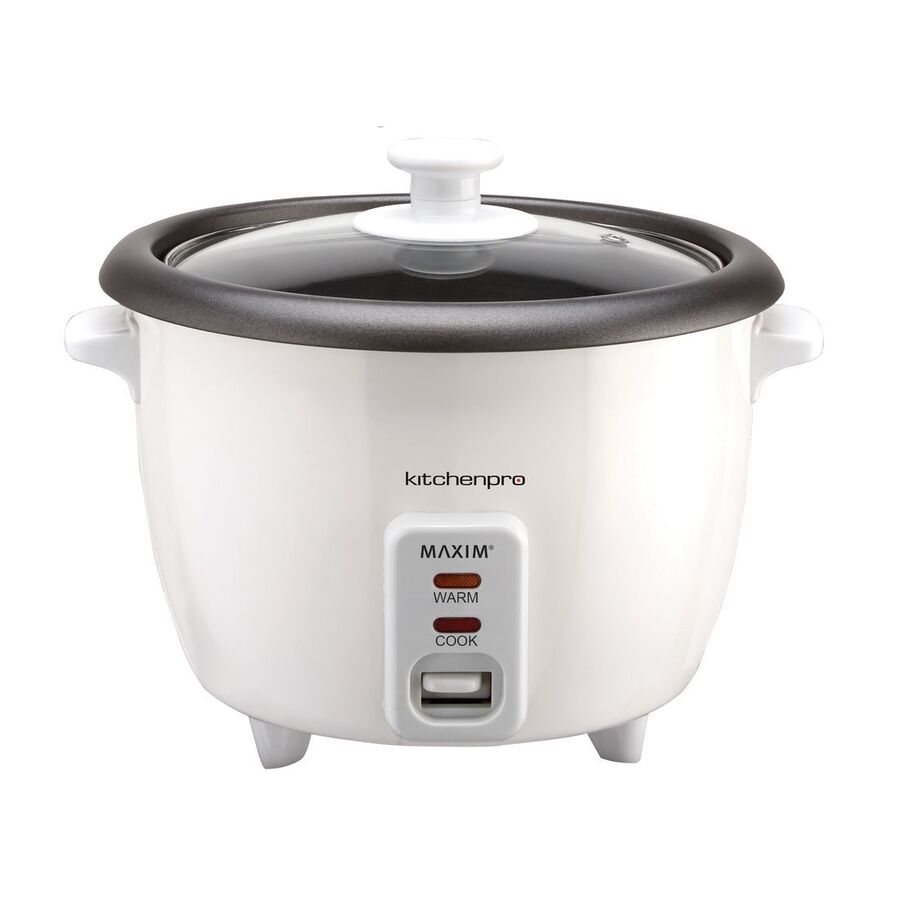
In Australia’s hospitality sector, consistency is not optional. From busy Asian restaurants in city centres to institutional catering in aged care facilities and schools, rice is a staple served daily in high volumes. While cooking rice may appear simple, it is a precise thermodynamic process involving controlled water absorption, phase change and heat management. In commercial kitchens where timing and repeatability matter, manual stovetop methods are inefficient and inconsistent.
The Electric Rice Cooker has evolved into a reliable and automated cooking solution. Modern commercial units combine intelligent heat control, robust thermal design and strict electrical safety compliance. For electricians and facility managers, understanding both the cooking physics and the electrical load requirements is essential. At SCHNAP Electric Products, we align with compliant, safety-driven installations that support high-demand commercial environments across Australia.
The reliability of a conventional Electric Rice Cooker is based on simple but effective physics. During cooking, the water-rice mixture remains at approximately 100°C while liquid water is present. This is due to the latent heat of vaporisation. The temperature does not increase beyond boiling point until all free water has been absorbed or evaporated.
Inside many standard units is a magnetic temperature control mechanism based on the Curie principle. A magnetic switch holds the heating circuit closed while the temperature remains below a specific threshold. Once the water is fully absorbed and the bowl temperature rises rapidly above boiling point, the magnet loses its magnetic properties at a predetermined temperature. This triggers a mechanical switch that cuts power to the main heating element and shifts the unit to warm mode.
This design provides a purely physical failsafe that prevents burning. It does not rely on complex digital sensors. The result is consistent rice texture with minimal operator input.
High-end commercial rice cookers move beyond resistive heating plates and use Induction Heating technology. Instead of heating from below, induction coils generate a magnetic field that induces currents directly in the ferromagnetic cooking bowl. The bowl itself becomes the heating element.
This method improves efficiency and temperature responsiveness. Heat distribution is more uniform because energy is generated throughout the bowl structure rather than at a single contact surface.
Advanced models incorporate microprocessor control using PID algorithms or adaptive logic. These systems monitor temperature changes and adjust power delivery dynamically. Cooking cycles are divided into stages such as soaking, rapid heating, controlled boiling and resting. Each stage is calibrated to optimise starch gelatinisation and texture.
For commercial operators, this means improved consistency across large batches and reduced reliance on staff judgement.
Commercial Electric Rice Cookers are high-load appliances. Large capacity units can draw between 1500 watts and 3000 watts depending on size and heating technology. In busy kitchens, several units may operate simultaneously.
This electrical demand requires careful circuit planning. Standard 10A general power outlets may not be suitable for larger units. Dedicated 15A or 20A circuits are often required to prevent nuisance tripping and overheating of cabling.
In wet commercial environments, earth fault protection is critical. Kitchen floors, stainless steel surfaces and steam exposure increase the risk of electrical hazards. Circuits supplying rice cookers should be protected by Residual Current Devices.
SCHNAP Electric Products supports compliant installations through reliable RCDs and correctly rated Miniature Circuit Breakers. Ensuring correct circuit protection protects both staff and equipment while maintaining uninterrupted kitchen operations.
The plug and connection point are common areas of failure in commercial kitchens. Heat, grease, cleaning chemicals and water exposure accelerate wear on standard domestic connectors.
For semi-permanent installations, industrial-grade plugs and socket outlets with high ingress protection ratings are recommended. Secure locking mechanisms prevent accidental disconnection during service periods. Sealed housings reduce water ingress during washdown procedures.
Cable protection is equally important. Flexible cords exposed to stainless steel edges or sharp surfaces can suffer abrasion damage. Protective sleeving and proper routing reduce mechanical stress and extend service life.
By integrating quality connection hardware, electricians can ensure durable and compliant installations that withstand demanding hospitality conditions.
Under Australian workplace regulations and AS/NZS 3760, portable electrical equipment in commercial settings must undergo regular inspection and testing. Rice cookers used daily in catering environments fall into this category.
Portable Appliance Testing verifies earth continuity and insulation resistance. Heating elements experience significant thermal cycling, which can degrade insulation over time. A failing element may cause RCD tripping or pose shock risk.
Routine inspection ensures that thermal fuses, internal wiring and connectors remain safe and operational. High-end commercial units are often repairable, making maintenance more cost-effective than replacement.
SCHNAP Electric Products supports maintenance programs by supplying compliant protection devices and industrial-grade accessories required for safe reinstallation.
The Electric Rice Cooker is a foundational appliance in many Australian commercial kitchens. It operates for extended periods, often under continuous demand. Its performance depends not only on internal engineering but also on the electrical infrastructure supporting it.
Licensed electricians play a key role in ensuring circuits are correctly rated and protected. Facility managers rely on dependable supply chains to maintain uptime and safety compliance.
SCHNAP Electric Products aligns with this professional standard. We focus on supporting trade customers with compliant protection solutions, durable connection hardware and practical installation accessories. Our approach is built around safety, reliability and real-world performance in Australian conditions.
The Electric Rice Cooker is a precision thermal appliance built on proven physical principles and modern electronic control. Whether using Curie point magnetic switching or induction heating with PID control, its goal is consistent texture and reliable performance.
However, as a high-load electrical appliance operating in a wet commercial environment, it must be supported by robust circuit protection and compliant installation practices.
Understanding phase change physics, load requirements and protection standards ensures safe and efficient operation.
At SCHNAP Electric Products, we support electricians and hospitality professionals with practical, compliant solutions that protect both people and assets. In commercial catering, consistency begins with control and safety.

SCHNAP Electrical Wholesaler - clear, upfront pricing that professional electricians trust

Get what you need in seconds. SCHNAP electrical wholesaler makes ordering quick and simple

Fast delivery anywhere - that's guaranteed. SCHNAP electrical wholesalers ship nationwide with same-day dispatch

Track your order every step of the way. SCHNAP electrical wholesale keeps you updated from click to delivery

SCHNAP is Australia's premier electrical wholesaler and electrical supplies, marketing thousands of quality products from leading brands. Trusted for nearly two decades by licensed electricians, contractors, and engineers, our range covers everything from basic electrical components to complex industrial electrical equipment
Our key categories include: LED lighting, designer switches, commercial switchboards, circuit protection, security systems & CCTV, and smart home automation
All products are certified to Australian standards (AS/NZS), backed by our 30-day, no-questions-asked return policy. Our expert technical team helps you quickly source the right solution for any residential, commercial, or industrial project, with daily dispatch from our Sydney electrical warehouse delivering Australia-wide
SCHNAP offers the most comprehensive electrical product range, with full technical specifications, application details, installation requirements, compliance standards, and warranties — giving professionals total confidence in every purchase


Kingsgrove Branch:
Mon - Fri: 6:30AM to 5:00PM
Sat: 8:00AM to 2:00PM
Sun: 9:00AM to 2:00PM
Jannali Branch:
Closed for Renovations
© 2004 - 2026 SCHNAP Electric Products