

Kingsgrove Branch:


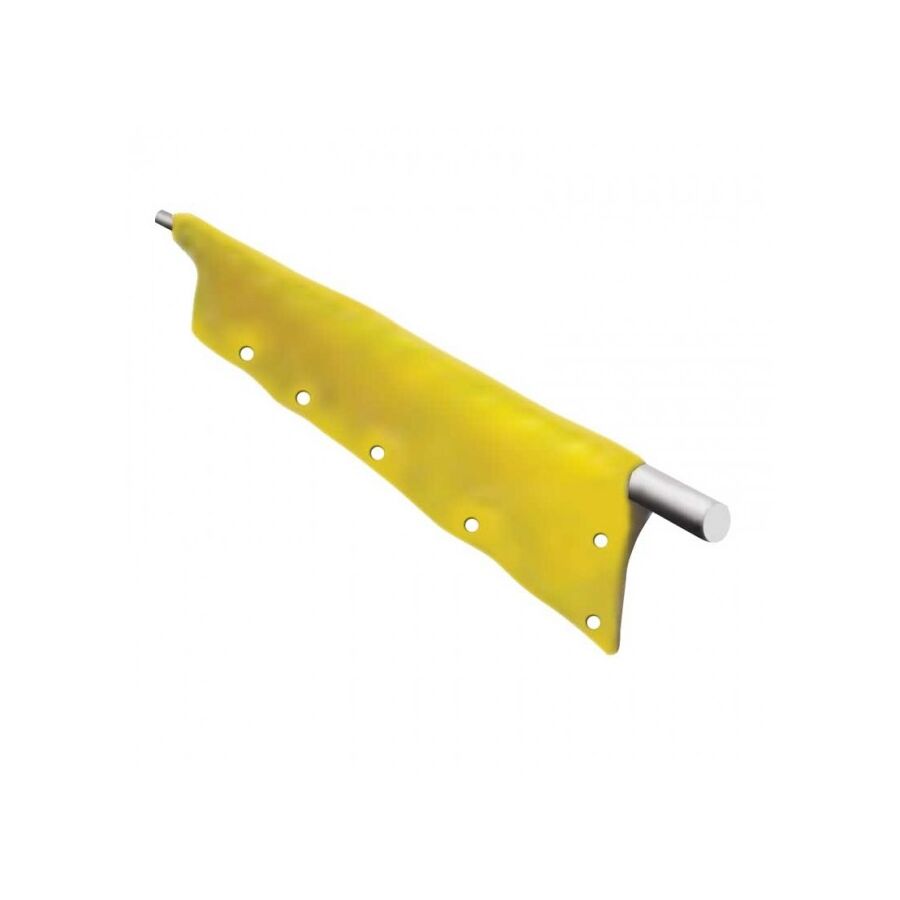
In Australian civil construction and utility maintenance environments, overhead powerlines present a persistent high-risk hazard. Whether operating cranes in metropolitan Sydney developments or elevating platforms near regional Queensland distribution networks, the proximity of plant equipment to energised conductors introduces severe electrocution and arc flash risk.
Under the Work Health and Safety (WHS) framework and utility authority clearance requirements, principal contractors must implement layered controls to prevent accidental contact. An Electrical Line Cover—commonly referred to as “tiger tails”—provides high-visibility hazard identification combined with secondary mechanical protection for overhead conductors within active work zones.
It is essential to clarify the operational purpose of an Electrical Line Cover. Standard line covers are primarily visual warning and mechanical deflection devices. They do not replace formal isolation procedures, nor do they convert a live conductor into a fully insulated working surface.
Their role is to:
These covers function as an administrative and visual engineering control, reinforcing safe approach distances rather than eliminating electrical hazard.
The distinctive yellow and black striping maximises contrast under varying light conditions. This colour combination is globally recognised as a hazard indicator and remains highly visible even in peripheral vision.
For crane operators, excavator drivers, and elevated work platform users, this visual enhancement significantly improves conductor awareness during lifting, positioning, or manoeuvring operations.
Clear visual identification reduces the risk of accidental encroachment into minimum safe approach distances required by supply authorities.
Australian environmental conditions expose overhead safety equipment to:
Electrical Line Covers are typically manufactured from high-density polyethylene (HDPE) or engineered thermoplastic polymers. These materials are selected for:
UV stabilisers and antioxidant additives are incorporated during extrusion to prevent polymer degradation. Without stabilisation, prolonged UV exposure would cause pigment fading and structural brittleness, reducing both visibility and mechanical integrity.
While not a substitute for insulation blankets used in live-line maintenance, the rigid cylindrical structure provides mechanical separation.
If scaffolding components, timber battens, or plant structures brush against the conductor, the cover acts as a physical buffer. This can help prevent direct contact between conductive materials and the bare conductor.
However, line covers must never be relied upon as primary electrical insulation. Safe approach distances and permit-to-work controls remain mandatory.
Professional-grade Electrical Line Covers feature longitudinal split profiles. These allow authorised personnel to install the cover using insulated hot sticks without requiring grid de-energisation.
The design typically includes:
By connecting multiple segments, crews can establish a visible protective corridor spanning the full width of a construction zone.
Electrical Line Covers function most effectively when integrated into a comprehensive site control strategy, including:
On sites utilising heavy-duty switchgear, cabling, and installation hardware from Schnap Electric Products, layered risk management ensures both overhead and ground-level hazards are controlled. Combining high-visibility conductor covers with compliant lockout stations and warning tags strengthens overall worksite safety governance.
Line covers must meet supply authority requirements and be suitable for the voltage class of the network. Contractors should confirm:
Procurement through specialised electrical wholesaler ensures access to compliant products, consistent sizing, and bulk availability for large infrastructure projects.
Regular inspection should verify colour visibility, structural integrity, and secure fit before and during use.
The Electrical Line Cover is a critical visual and mechanical safety control for Australian civil and utility worksites. By enhancing conductor visibility and providing secondary physical deflection, it supports safer machinery operation near energised assets.
When used in conjunction with regulated approach distances, permit-to-work systems, and compliant LOTO procedures, line covers strengthen overhead hazard mitigation strategies. In high-risk environments where plant and live conductors coexist, clear visual communication remains one of the most effective preventive safety mechanisms.

SCHNAP Electrical Wholesaler - clear, upfront pricing that professional electricians trust

Get what you need in seconds. SCHNAP electrical wholesaler makes ordering quick and simple

Fast delivery anywhere - that's guaranteed. SCHNAP electrical wholesalers ship nationwide with same-day dispatch

Track your order every step of the way. SCHNAP electrical wholesale keeps you updated from click to delivery

SCHNAP is Australia's premier electrical wholesaler and electrical supplies, marketing thousands of quality products from leading brands. Trusted for nearly two decades by licensed electricians, contractors, and engineers, our range covers everything from basic electrical components to complex industrial electrical equipment
Our key categories include: LED lighting, designer switches, commercial switchboards, circuit protection, security systems & CCTV, and smart home automation
All products are certified to Australian standards (AS/NZS), backed by our 30-day, no-questions-asked return policy. Our expert technical team helps you quickly source the right solution for any residential, commercial, or industrial project, with daily dispatch from our Sydney electrical warehouse delivering Australia-wide
SCHNAP offers the most comprehensive electrical product range, with full technical specifications, application details, installation requirements, compliance standards, and warranties — giving professionals total confidence in every purchase


Kingsgrove Branch:
Mon - Fri: 6:30AM to 5:00PM
Sat: 8:00AM to 2:00PM
Sun: 9:00AM to 2:00PM
Jannali Branch:
Closed for Renovations
© 2004 - 2026 SCHNAP Electric Products