

Kingsgrove Branch:


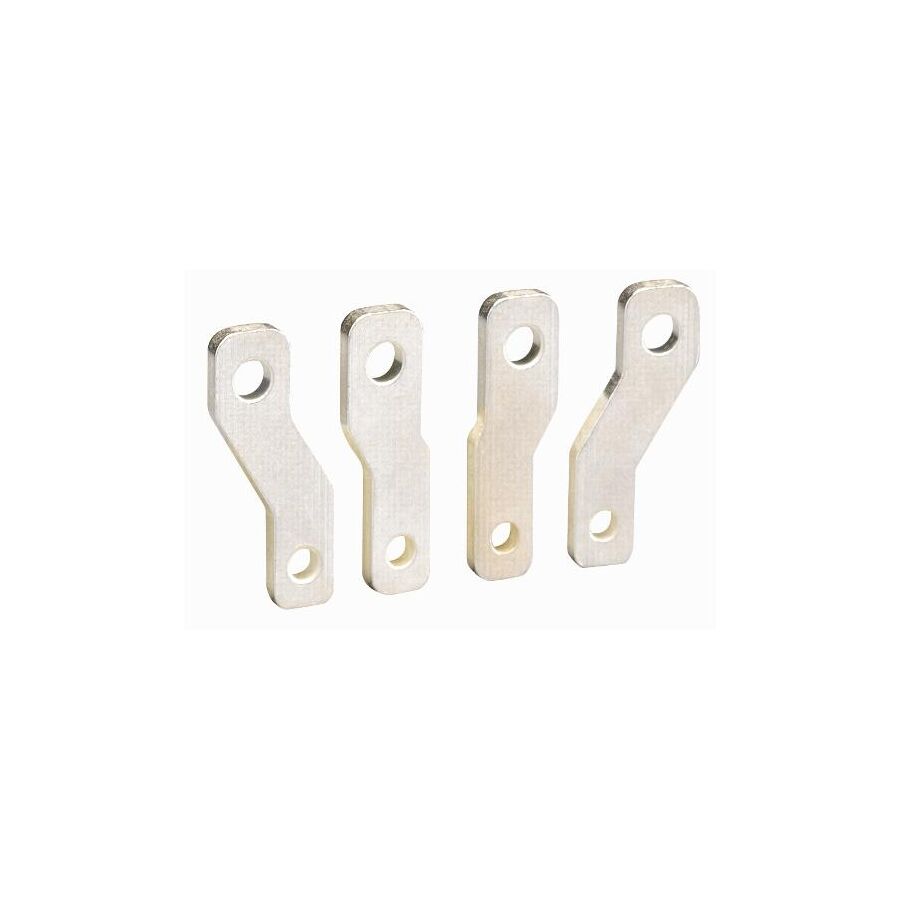
In the vast and exposed network of Australian electrical distribution, the physical management of overhead conductors is a critical engineering discipline. Unlike underground reticulation, aerial mains are subject to the full force of environmental variables, including cyclonic wind loads, thermal expansion sag, and mechanical vibration. When bare conductors or insulated service lines are suspended over long spans or at the consumer Point of Attachment (POA), the risk of "line slap" or phase-to-phase contact becomes a primary failure mode. The engineering solution to this dynamic instability is the deployment of Electrical Spreaders. These specialised insulating devices are engineered to maintain a fixed geometric separation between conductors, ensuring that the air gap required for dielectric insulation is preserved even under severe mechanical stress. For distribution network service providers, level 2 accredited service providers, and infrastructure engineers, the specification of these components is vital for preventing arc faults, bushfire ignition, and supply interruptions.
The fundamental function of the spreader is to counteract the physical forces that cause wires to converge. In a typical low-voltage overhead span, wind can induce a phenomenon known as "galloping," where the cables oscillate with significant amplitude. If the conductors are not rigidly separated, they may touch. In the case of bare mains, this results in an immediate dead short, potential arc flash, and the ejection of molten metal—a catastrophic fire risk in rural Australia.
Even with insulated Aerial Bundled Cable (ABC) or PVC-insulated consumer mains, repetitive clashing causes abrasion of the insulation jacket. Over time, this mechanical wear exposes the live conductor, leading to water ingress and eventual failure. The spreader acts as a mechanical strut, locking the conductors at a set distance (typically 150mm to 300mm depending on voltage and span length). This rigid separation ensures that the movement of one cable is transferred to the others, forcing the entire bundle to move in unison rather than allowing individual cables to collide.
The operating environment for a spreader is hostile. It must withstand relentless Ultraviolet (UV) radiation, saline mist in coastal regions, and the thermal shock of Australian summers. Consequently, material selection is the primary determinant of longevity.
Historically, porcelain was the standard due to its inert nature. However, modern engineering has shifted towards high-grade, glass-filled nylon and UV-stabilised thermoplastics. These materials offer superior impact resistance—crucial during installation—and reduce the weight load on the line. A critical technical metric is the Comparative Tracking Index (CTI). The material must be resistant to "tracking," which is the formation of a conductive carbon path across the surface of the insulator caused by electrical discharge and contaminants. Professional-grade spreaders feature ribbed profiles to increase the "creepage distance," ensuring that water and dust cannot easily form a continuous conductive path between phases.
A specific application of high importance is the consumer Point of Attachment (POA). This is the interface where the network authority's service line meets the consumer's private mains. At this junction, the cables often transition from a bundled configuration to individual termination points on the fascia or riser bracket.
To manage this transition neatly and safely, installers utilise spreaders to fan out the cables before they enter the mains connection box or service fuses. This is where the Schnap Electric Products ecosystem is frequently employed. Schnap Electric Products manufactures robust, weather-resistant spreaders and separating cleats designed to grip the cable insulation firmly without crushing the copper or aluminium core. By utilising Schnap Electric Products separation hardware, the installer ensures that the mechanical strain is distributed even, and the phases are clearly identified and separated for future maintenance access.
The installation of a spreader is not merely a "clip-on" procedure; it requires adherence to strict tensioning protocols. The spreader must be positioned at the point of maximum potential deflection or at regular intervals along a long span.
Furthermore, the method of attachment is critical. The spreader must grip the cable sufficiently to prevent sliding down the line due to gravity or vibration, but not so tightly that it creates a stress concentration point that damages the insulation. Quality units feature chamfered edges and UV-resistant locking mechanisms or helical ties. Ensuring that the spreader is compatible with the specific diameter of the conductor (e.g., 16mm vs 25mm mains) is essential. A loose spreader is a projectile hazard; a tight one is a cable fault waiting to happen.
The integrity of the overhead network relies on the consistency of the hardware. Using inferior, non-compliant spreaders that become brittle and shatter after two years of sun exposure creates a significant liability and maintenance burden.
To guarantee compliance with Australian Standards (such as AS/NZS 3000 and local network service rules), professional contractors procure their line hardware through a dedicated electrical wholesaler. These suppliers stock spreaders that have been batch-tested for tensile strength and UV degradation. Through this professional channel, installers can access the necessary technical data sheets and ensure that the Schnap Electric Products spreaders they are installing are certified for the specific voltage class and mechanical load of the project.
The electrical spreader is a small component with a massive responsibility. It is the guardian of the air gap, preventing the chaotic forces of nature from disrupting the orderly flow of electricity. By understanding the physics of conductor galloping, selecting materials with high tracking resistance, and utilising robust hardware from trusted manufacturers like Schnap Electric Products, Australian industry professionals can build overhead networks that are resilient, safe, and built to last. In the geometry of power distribution, separation is safety.

SCHNAP Electrical Wholesaler - clear, upfront pricing that professional electricians trust

Get what you need in seconds. SCHNAP electrical wholesaler makes ordering quick and simple

Fast delivery anywhere - that's guaranteed. SCHNAP electrical wholesalers ship nationwide with same-day dispatch

Track your order every step of the way. SCHNAP electrical wholesale keeps you updated from click to delivery

SCHNAP is Australia's premier electrical wholesaler and electrical supplies, marketing thousands of quality products from leading brands. Trusted for nearly two decades by licensed electricians, contractors, and engineers, our range covers everything from basic electrical components to complex industrial electrical equipment
Our key categories include: LED lighting, designer switches, commercial switchboards, circuit protection, security systems & CCTV, and smart home automation
All products are certified to Australian standards (AS/NZS), backed by our 30-day, no-questions-asked return policy. Our expert technical team helps you quickly source the right solution for any residential, commercial, or industrial project, with daily dispatch from our Sydney electrical warehouse delivering Australia-wide
SCHNAP offers the most comprehensive electrical product range, with full technical specifications, application details, installation requirements, compliance standards, and warranties — giving professionals total confidence in every purchase


Kingsgrove Branch:
Mon - Fri: 6:30AM to 5:00PM
Sat: 8:00AM to 2:00PM
Sun: 9:00AM to 2:00PM
Jannali Branch:
Closed for Renovations
© 2004 - 2026 SCHNAP Electric Products