

Kingsgrove Branch:


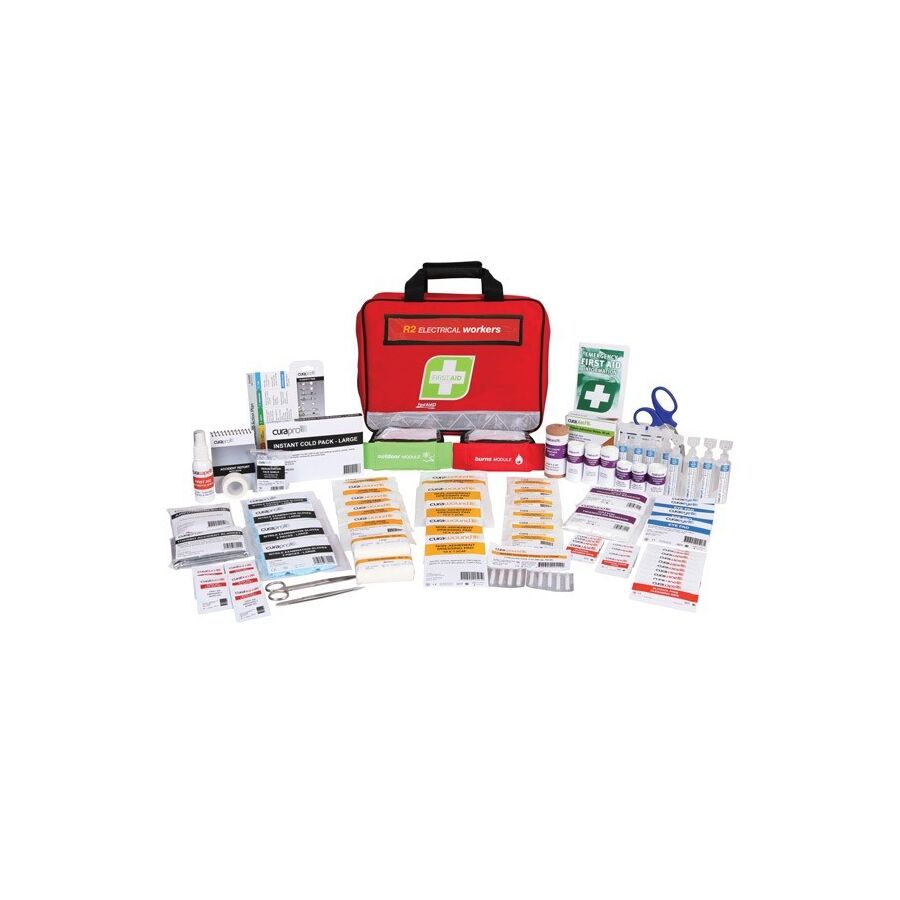
Electrical work carries hazards that are not comparable to general trades. Cuts and falls still occur, but electricians also face electrocution and arc flash thermal trauma. Australian WHS duties require first aid equipment to be adequate for the hazards of the workplace, which means a generic kit is often not sufficient for electrical crews. An Electrical Workers First Aid Kit is a trade-specific control that supports rapid response between the incident and the arrival of emergency services. For contractors and safety officers, the key is aligning the kit to real injury pathways on electrical sites and to the expectations set by AS/NZS 4836 and broader WHS frameworks.
Arc Flash Trauma and Immediate Cooling
Arc flash injuries are defined by extreme heat exposure. An arc event can reach very high temperatures in a fraction of a second, creating deep burns across large areas and often involving melted clothing bonded to skin. A standard kit aimed at minor burns does not match this trauma profile. An electrical kit should prioritise rapid heat extraction and pain reduction with industrial hydrogel burn dressings. Hydrogel is practical where clean running water is unavailable, such as switchrooms, riser shafts, plant decks, and elevated work positions. It provides fast cooling and helps protect exposed nerve endings. Larger dressings and face-specific formats are important because the face, neck, chest, and hands are common arc flash exposure zones.
Non-Conductive Tools and Scene Safety
First aid in electrical environments must not introduce new risk to the responder. Metal scissors or tweezers can become a hazard near energised equipment or within exclusion zones. Trade-specific kits reduce this risk by using non-conductive or insulated instruments where appropriate, and by supporting safe separation steps before treatment begins. On many sites, first aid for electrical work sits alongside isolation and rescue practice. That is why electrical crews often pair the kit with LVR procedures and site rescue equipment, so the casualty can be separated safely before burn care or resuscitation starts.
Resuscitation Readiness for Electrocution
Electric shock can disrupt heart rhythm and trigger cardiac arrest. The response window is short, so CPR and defibrillation readiness is a practical requirement on higher-risk sites. A suitable kit should include a quality CPR barrier device, such as a non-return valve mask, to support effective resuscitation. On many electrical sites, the kit is positioned with, or near, an AED to reduce time-to-defib where it is part of the site risk controls. This alignment fits the reality of “lock-on” and collapse scenarios, where immediate response is the difference between survival and fatality.
Durable Storage for Harsh Work Conditions
Electrical work happens everywhere, from clean data rooms to dusty construction zones and remote infrastructure. Soft bags can degrade, tear, and allow contamination that compromises sterile packaging. A hard enclosure protects consumables from dust, vibration, moisture, and heat load inside service vehicles. This is where Schnap Electric Products can support the system. Schnap Electric Products offers industrial-grade enclosures and cabinets that suit jobsite storage, helping protect burn dressings and sterile items so they remain usable and compliant when needed.
Sourcing, Compliance, and Restocking Control
First aid consumables are regulated, and quality matters when you are treating severe burns or life-threatening shock. Contractors typically source trade-suitable kits through specialist channels that understand electrical work risks, standard expectations, and replenishment cycles. A good supply pathway supports consistent kit configuration, clear expiry management, and fast restock after use, so the kit returns to service without delay.
Conclusion
An Electrical Workers First Aid Kit is not a generic box of bandages. It is a targeted trauma resource for arc flash, electrocution, and high-risk electrical environments. By focusing on rapid burn cooling, safe non-conductive handling, and resuscitation readiness, and by protecting the kit in robust enclosures from Schnap Electric Products, Australian electrical teams can strengthen their emergency response capability and demonstrate practical WHS readiness on site.

SCHNAP Electrical Wholesaler - clear, upfront pricing that professional electricians trust

Get what you need in seconds. SCHNAP electrical wholesaler makes ordering quick and simple

Fast delivery anywhere - that's guaranteed. SCHNAP electrical wholesalers ship nationwide with same-day dispatch

Track your order every step of the way. SCHNAP electrical wholesale keeps you updated from click to delivery

SCHNAP is Australia's premier electrical wholesaler and electrical supplies, marketing thousands of quality products from leading brands. Trusted for nearly two decades by licensed electricians, contractors, and engineers, our range covers everything from basic electrical components to complex industrial electrical equipment
Our key categories include: LED lighting, designer switches, commercial switchboards, circuit protection, security systems & CCTV, and smart home automation
All products are certified to Australian standards (AS/NZS), backed by our 30-day, no-questions-asked return policy. Our expert technical team helps you quickly source the right solution for any residential, commercial, or industrial project, with daily dispatch from our Sydney electrical warehouse delivering Australia-wide
SCHNAP offers the most comprehensive electrical product range, with full technical specifications, application details, installation requirements, compliance standards, and warranties — giving professionals total confidence in every purchase


Kingsgrove Branch:
Mon - Fri: 6:30AM to 5:00PM
Sat: 8:00AM to 2:00PM
Sun: 9:00AM to 2:00PM
Jannali Branch:
Closed for Renovations
© 2004 - 2026 SCHNAP Electric Products