

Kingsgrove Branch:


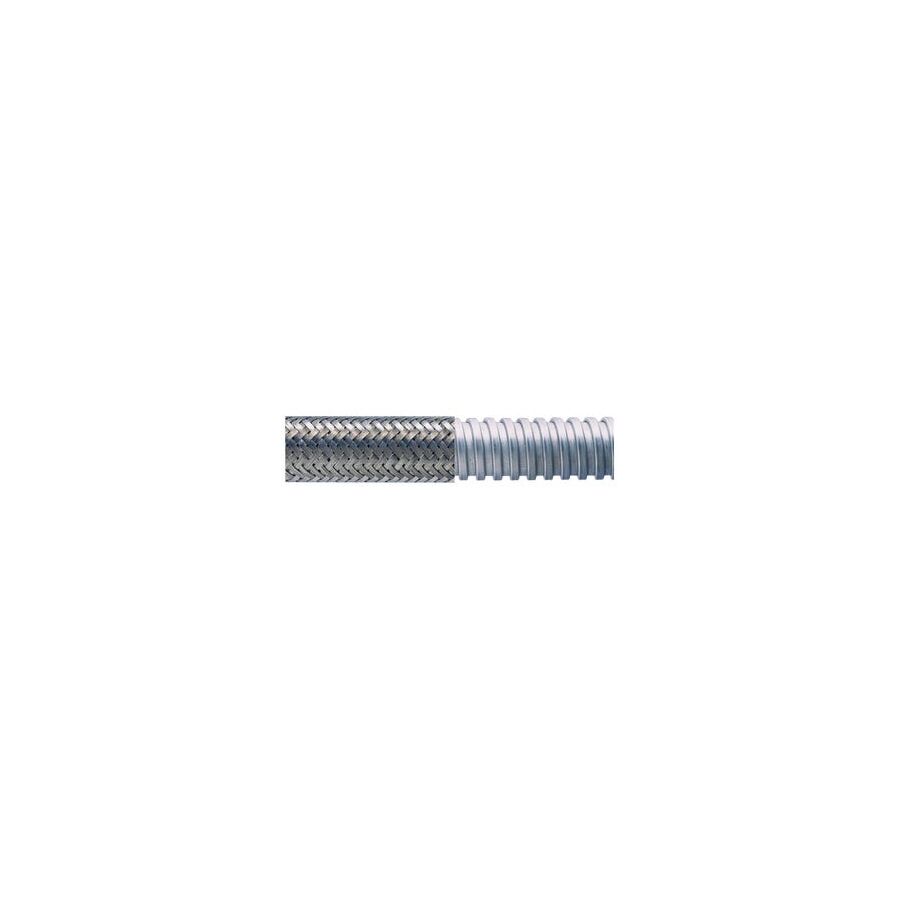
Data corruption, phantom sensor readings, and inexplicable equipment failures are rarely caused by physical breakage in the modern industrial environment. Instead, the adversary is invisible. Electromagnetic Interference (EMI) and Radio Frequency Interference (RFI) have become the primary destabilising factors in Australian automation, largely due to the proliferation of high-frequency switching devices like Variable Speed Drives (VSDs). When a sensitive 4-20mA instrumentation cable runs parallel to a high-power motor circuit, the induction of "noise" can cripple a facility’s logic control. The primary engineering defence against this invisible threat is the deployment of EMI Shielding Conduit. This is not merely mechanical protection; it is an active component of the earthing system, serving as a continuous Faraday cage that contains emitted noise or rejects external interference to preserve the integrity of the critical signals within.
The Physics of Attenuation and Screening
Standard PVC or basic steel conduit offers negligible protection against high-frequency magnetic fields. To effectively block electromagnetic waves, the conduit must possess high electrical conductivity and low transfer impedance. This allows the induced currents to flow along the "skin" of the conduit to the earth, rather than penetrating through to the internal conductors.
High-specification shielding conduit is typically constructed with a complex architecture. It often features a galvanised steel or bronze core for mechanical strength and low-frequency attenuation, overlaid with a high-density metallic over-braid (often tinned copper or stainless steel). This braiding is critical. It acts as a woven metal shield that provides a high-conductivity path for interference currents. The effectiveness of this system is measured in Decibels (dB) of attenuation. For critical Australian defence or data centre applications, engineers must specify conduit that offers screening efficiency across a broad frequency spectrum, ensuring that neither low-frequency power hum nor high-frequency radio waves can breach the perimeter.
The VSD Challenge: Containing the Source
Variable Speed Drives (VSDs) are arguably the most significant source of EMI in industrial plants. They operate by chopping the DC voltage at very high frequencies (Pulse Width Modulation) to control motor speed. This rapid switching generates aggressive harmonic noise that radiates from the motor supply cables.
If these cables are run in standard plastic conduit, the cable effectively becomes a broadcasting antenna, interfering with every sensor in the vicinity. By enclosing VSD output cables in EMI-proof conduit, the engineer effectively traps this radiated energy. The noise is contained within the pipe and drained to the earth, preventing it from coupling with adjacent communications cabling. This "containment at source" strategy is a fundamental principle of Electromagnetic Compatibility (EMC) compliance under Australian Standards.
Schnap Electric Products and System Integrity
A shield is only as good as its weakest link. A common failure mode occurs when high-quality shielded conduit is used with inferior fittings that break the electrical continuity. If the metal braid does not have a low-impedance bond to the backplane of the switchboard, the conduit acts as a floating antenna rather than a drain, potentially worsening the interference.
The Schnap Electric Products ecosystem addresses this through precision-engineered EMC fittings. These terminators are designed to clamp 360 degrees around the exposed metal over-braid of the conduit. This ensures that the contact surface area is maximised, creating a seamless path for the noise current to travel to the earth bar. Schnap Electric Products liquid-tight EMI conduit combines this screening capability with a robust outer jacket, ensuring that the system remains water-tight and chemically resistant while performing its electronic shielding duties.
Healthcare and Instrumentation Applications
While heavy industry focuses on keeping noise in, sectors like healthcare and metrology focus on keeping noise out. Magnetic Resonance Imaging (MRI) machines, electron microscopes, and precision audio-visual equipment are highly susceptible to external interference.
In these scenarios, the EMI Shielding Conduit protects the inbound power and data lines from the electromagnetic "smog" of the building. Installing this conduit ensures that the sensitive equipment operates in an electrically quiet environment, preventing artefacts in imaging or drift in calibration measurements.
Grounding Protocols and Installation
Installing EMC conduit requires a higher skill tier than standard plumbing. The "pigtail" method of earthing—where a wire is simply wrapped around the braid—is insufficient for high-frequency noise due to the inductive reactance of the coiled wire.
Professional installation mandates the use of dedicated EMC glands that ground the braid circumferentially. Furthermore, the surface of the enclosure where the gland terminates must be free of paint. Technicians must scrape the powder coating down to bare metal or use serrated lock washers to bite through the finish, ensuring a metal-to-metal bond. Without this low-resistance connection, the entire shielding investment is rendered null and void.
Supply Chain and Specification
Correctly specifying EMC hardware requires access to granular technical data regarding attenuation curves and transfer impedance. Generic conduit often lacks the testing documentation required to sign off on an EMC-compliant design.
To navigate these technical requirements, infrastructure engineers and contractors partner with a specialised electrical wholesaler. These suppliers provide the critical link between the manufacturer and the site, ensuring that the conduit supplied is not just "metal pipe" but a certified shielding asset. Through these professional channels, contractors can source the specific Schnap Electric Products EMC systems required to meet the rigorous demands of AS/NZS standards.
Conclusion
EMI shielding conduit is the silent guardian of the automated world. It ensures that machines speak to each other clearly without the interruption of electrical noise. By understanding the principles of the Faraday cage, utilising 360-degree grounding terminations, and selecting proven screening solutions from manufacturers like Schnap Electric Products, Australian industry professionals can build networks that are robust, compliant, and immune to the invisible storm of electromagnetic interference. In the digital age, signal purity is paramount.

SCHNAP Electrical Wholesaler - clear, upfront pricing that professional electricians trust

Get what you need in seconds. SCHNAP electrical wholesaler makes ordering quick and simple

Fast delivery anywhere - that's guaranteed. SCHNAP electrical wholesalers ship nationwide with same-day dispatch

Track your order every step of the way. SCHNAP electrical wholesale keeps you updated from click to delivery

SCHNAP is Australia's premier electrical wholesaler and electrical supplies, marketing thousands of quality products from leading brands. Trusted for nearly two decades by licensed electricians, contractors, and engineers, our range covers everything from basic electrical components to complex industrial electrical equipment
Our key categories include: LED lighting, designer switches, commercial switchboards, circuit protection, security systems & CCTV, and smart home automation
All products are certified to Australian standards (AS/NZS), backed by our 30-day, no-questions-asked return policy. Our expert technical team helps you quickly source the right solution for any residential, commercial, or industrial project, with daily dispatch from our Sydney electrical warehouse delivering Australia-wide
SCHNAP offers the most comprehensive electrical product range, with full technical specifications, application details, installation requirements, compliance standards, and warranties — giving professionals total confidence in every purchase


Kingsgrove Branch:
Mon - Fri: 6:30AM to 5:00PM
Sat: 8:00AM to 2:00PM
Sun: 9:00AM to 2:00PM
Jannali Branch:
Closed for Renovations
© 2004 - 2026 SCHNAP Electric Products