



Kingsgrove Branch:


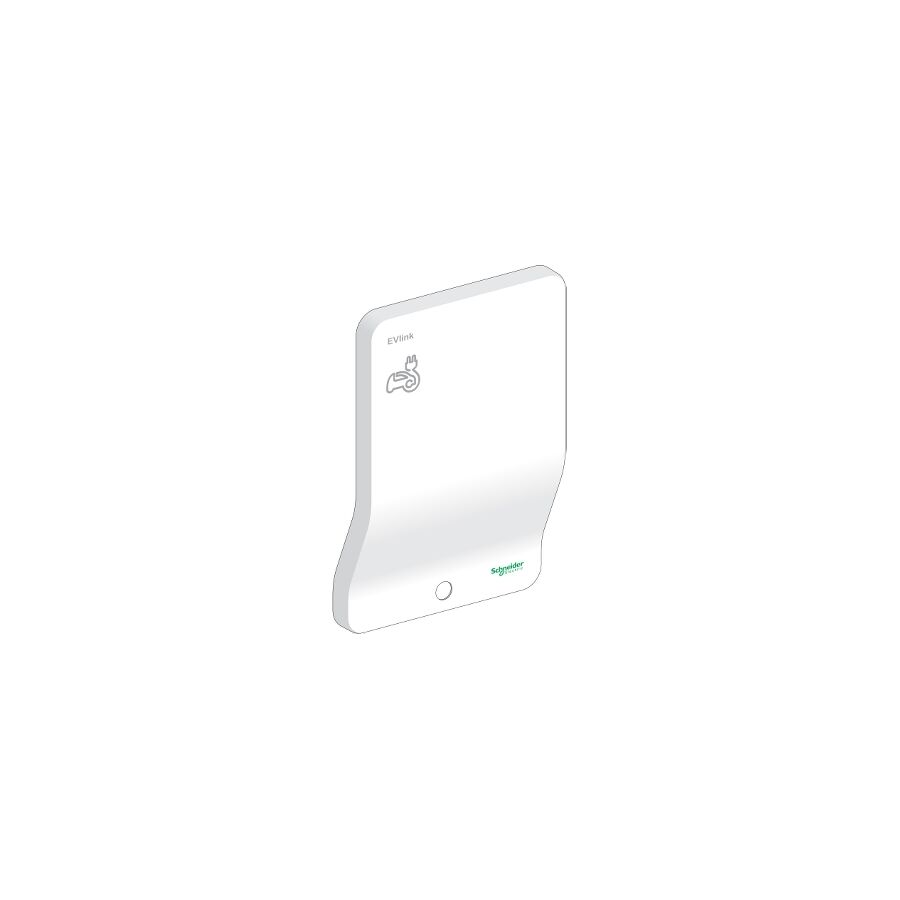
As electric vehicles become embedded in Australia’s transport infrastructure, charging stations are now treated as long-term industrial assets rather than consumer appliances. AC wallboxes are installed in environments that expose them to mechanical stress, public interaction, and extreme weather. In these conditions, the EVlink Wallbox Front Panel plays a critical role in operational safety, regulatory compliance, and asset longevity.
While often mistaken for a cosmetic cover, the front panel is a load-bearing safety component. It defines the Ingress Protection and Impact Protection ratings of the charger, protects users from live internal components, and enables correct operation of access control and visual status systems. In high-traffic locations such as apartment basements, council car parks, and fleet depots, the integrity of the front panel directly affects uptime, safety audits, and total cost of ownership.
The first engineering requirement of the front panel is mechanical resilience. Commercial EVSE units are routinely exposed to accidental impact from vehicles, charging cables, shopping trolleys, and maintenance equipment. For this reason, professional EVlink front panels are engineered to achieve an IK10 impact rating.
IK10 certification indicates resistance to twenty joules of impact energy, equivalent to a five kilogram mass dropped from four hundred millimetres. Achieving this rating requires more than thickness. The panel is injection moulded using high-performance polymers such as polycarbonate or ASA. These materials combine toughness with elastic recovery, allowing the panel to absorb impact energy without cracking or transferring stress to the internal chassis.
ASA offers a key advantage in Australian conditions. Unlike standard ABS plastics, ASA is inherently UV stable. Prolonged exposure to sunlight does not cause embrittlement or colour degradation. This ensures that the panel maintains both its structural integrity and sealing performance over many years of outdoor or semi-outdoor installation.
The front panel is a primary sealing surface of the wallbox enclosure. When correctly installed, it maintains the charger’s IP rating, typically IP54 or higher. This rating ensures protection against dust ingress and splashing water from any direction.
The sealing interface relies on precision-moulded gasket channels and compression zones. If the panel is warped, cracked, or incorrectly seated, the seal is compromised. Moisture ingress can lead to corrosion of the internal Type 2 socket, degradation of PCB assemblies, or nuisance tripping caused by condensation paths. For this reason, replacing a damaged panel is not optional maintenance but a safety requirement.
Beyond protection, the front panel functions as the user interface. It incorporates defined apertures, light guides, and sensor windows that allow the charger to communicate status clearly and reliably.
EVlink wallboxes commonly use integrated LED indicators to display readiness, charging state, or fault conditions. The front panel includes optical diffusion paths that spread light evenly and maintain visibility in direct sunlight. Damage or deformation of the panel can distort these paths, leading to ambiguous signals that confuse users and increase support calls.
In fleet and managed environments, RFID access control is embedded behind the panel. The plastic thickness and composition in the RFID zone are carefully tuned to allow the thirteen point five six megahertz signal to pass without attenuation. Substituting a non-genuine panel or installing it incorrectly can reduce read range or cause intermittent authentication failures.
Public and commercial EVSE installations must prevent unauthorised access to internal components. The front panel integrates the locking system that secures the charger during operation.
This mechanism typically uses a keyed barrel or service lock that engages directly with the internal chassis. When locked, it prevents access to live terminals, configuration switches, and energy metering connections. If the locking cam is damaged or misaligned during panel replacement, the enclosure may appear closed but fail under vibration or thermal cycling. Such a failure compromises both IP rating and compliance with electrical safety regulations.
Correct engagement of the lock is therefore as important as the panel material itself.
From a facility management perspective, the front panel is a replaceable wear component. In many cases, internal electronics remain fully functional after minor impact or vandalism, making fascia replacement a cost-effective alternative to full charger replacement.
This approach reduces downtime, minimises waste, and preserves capital investment. However, it depends entirely on sourcing the correct panel variant. EVlink wallboxes differ between socket-only models and tethered cable versions. Each requires a specific panel geometry to maintain sealing and mechanical support. Installing the wrong panel creates gaps that void certification and manufacturer warranty.
Safe panel replacement requires proper site isolation and mechanical protection of the supply. Adjacent infrastructure plays a supporting role in maintaining charger safety during maintenance and ongoing operation.
This is where the broader installation ecosystem matters. Weatherproof isolators, rigid conduit, and IP-rated cable entries ensure that the robustness of the wallbox is matched by the robustness of the supply connection. Many installers standardise these elements using components supplied by Schnap Electric Products, ensuring consistent mechanical protection, sealing, and lockout capability across charging bays.
Bollards, wheel stops, and warning signage further reduce the likelihood of repeat impact damage, protecting the replacement panel and extending service life.
EV infrastructure relies on long-term parts availability. Generic hardware suppliers do not stock OEM EVSE fascias or sealing kits. Attempting to improvise with non-approved covers introduces compliance risk and liability exposure.
Specialist electrical wholesaler provide access to genuine replacement panels matched to specific EVlink generations and configurations. These panels are supplied with correct gaskets, fasteners, and installation guidance. Reliable supply chains ensure that maintenance teams can respond quickly to damage without extended charger downtime.
The EVlink Wallbox Front Panel is not a cosmetic accessory. It is a structural, electrical, and communicative safety component that protects users and internal systems alike. By delivering impact resistance, environmental sealing, secure access control, and reliable user interaction, it defines the operational integrity of the wallbox. When genuine replacement panels are paired with robust surrounding infrastructure and professional installation practices, EV charging assets remain safe, compliant, and dependable. In modern EV infrastructure, the surface is not superficial. It is the first and most important line of defence.

SCHNAP is Australia's premier electrical wholesaler and electrical supplies, marketing thousands of quality products from leading brands. Trusted for nearly two decades by licensed electricians, contractors, and engineers, our range covers everything from basic electrical components to complex industrial electrical equipment
Our key categories include: LED lighting, designer switches, commercial switchboards, circuit protection, security systems & CCTV, and smart home automation
All products are certified to Australian standards (AS/NZS), backed by our 30-day, no-questions-asked return policy. Our expert technical team helps you quickly source the right solution for any residential, commercial, or industrial project, with daily dispatch from our Sydney electrical warehouse delivering Australia-wide
SCHNAP offers the most comprehensive electrical product range, with full technical specifications, application details, installation requirements, compliance standards, and warranties — giving professionals total confidence in every purchase


Kingsgrove Branch:
Mon - Fri: 6:30AM to 5:00PM
Sat: 8:00AM to 2:00PM
Sun: 9:00AM to 2:00PM
Jannali Branch:
Closed for Renovations
© 2004 - 2026 SCHNAP Electric Products