

Kingsgrove Branch:


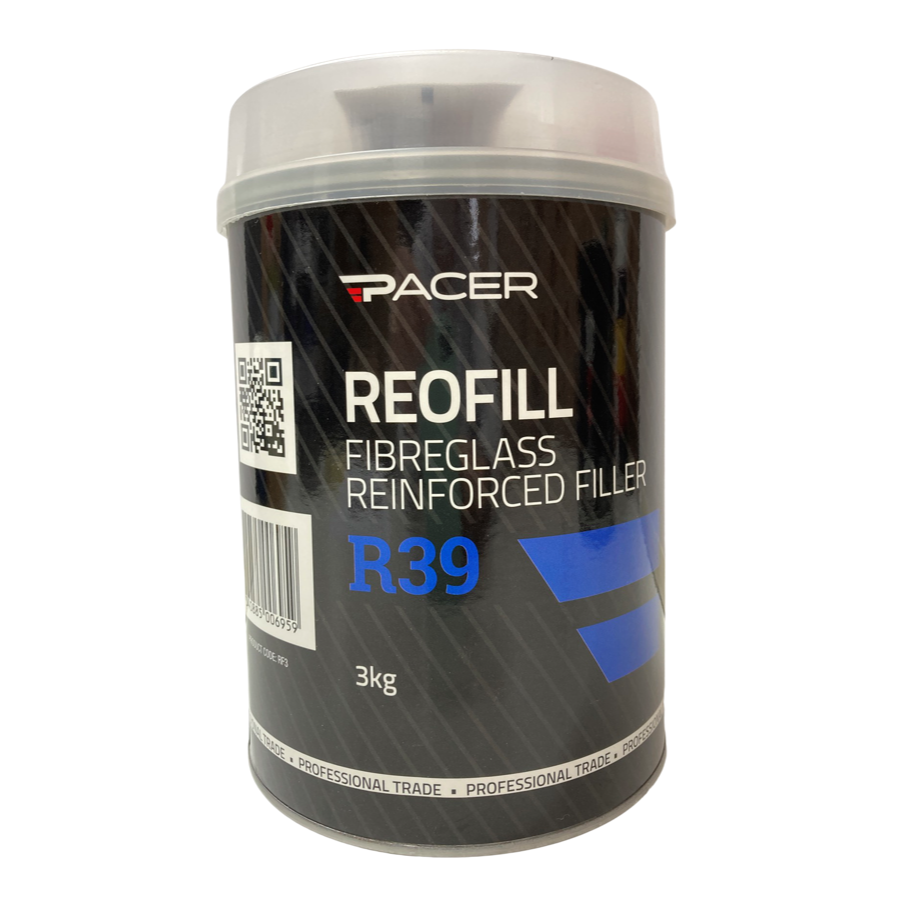
In the harsh industrial and coastal environments of Australia, the integrity of electrical infrastructure is constantly challenged by environmental factors and mechanical impact. Glass Reinforced Plastic (GRP) has become the material of choice for switchboards, pillar boxes, and marshalling enclosures due to its non-conductive properties and resistance to corrosion. However, unlike steel, GRP is susceptible to cracking and gouging from vehicular impact or accidental damage during installation. For the facility manager and maintenance engineer, the ability to execute a structural repair using high-grade fibreglass filler is a critical competency that safeguards the operational continuity and safety of the electrical asset.
Technically, this repair compound is distinct from standard automotive body fillers or "bog," which are primarily cosmetic. A structural reinforced filler consists of a polyester or epoxy resin matrix impregnated with glass fibre strands. These strands—ranging from short milled fibres to long strands—provide the tensile strength required to bridge holes and cracks without sagging or cracking under stress.
When mixed with a catalyst (typically benzoyl peroxide paste), the resin cures via an exothermic reaction to form a rigid, chemically resistant mass. In the context of electrical maintenance, the primary function of this material is not merely to restore the aesthetic finish, but to reinstate the mechanical strength of the enclosure wall and, crucially, its dielectric integrity. A proper repair ensures that the enclosure remains non-conductive and capable of withstanding the internal pressures of a fault condition.
Topical authority on composite repair dictates that the success of the application is entirely dependent on surface preparation. GRP composites do not chemically fuse with the filler; they rely on a mechanical bond. Therefore, simply applying filler over a smooth, glossy gel coat will result in delamination and failure.
The repair protocol requires the technician to grind the damaged area using a coarse abrasive disc (typically 40 to 80 grit). The objective is to remove the UV-degraded surface layer and expose the raw glass fibres of the substrate. For through-holes or deep cracks, the edges must be chamfered or "V-grooved" to increase the surface area available for bonding. Following abrasion, the area must be rigorously degreased with acetone to remove any contaminants that could inhibit the chemical cure.
Working with catalysed fillers in the Australian climate requires careful management of the "pot life"—the time available to work the material before it gels. High ambient temperatures accelerate the cure rate. Professionals typically mix small batches, ensuring the catalyst is thoroughly folded into the putty to prevent "hot spots" or uncured soft patches.
The filler should be applied in layers to avoid excessive heat generation, which can cause the repair to shrink or crack. The material must be pressed firmly into the repair zone to eliminate air pockets (voids). In an electrical enclosure, a void within the repair can act as a moisture trap, potentially leading to tracking or insulation failure over time.
The ultimate goal of the repair is the restoration of the Ingress Protection (IP) rating. A crack in an outdoor distribution board compromises the IP66 rating, allowing dust and moisture to ingress, which accelerates the corrosion of internal switchgear.
Once the filler has cured and been sanded flush, it provides a solid, waterproof barrier. However, the surface must be sealed with a flow-coat or compatible polyurethane paint to prevent "wicking," where moisture travels along exposed glass fibres into the laminate. This sealing process ensures the enclosure returns to its original specification, protecting the live components within.
A unique characteristic of high-quality reinforced filler is its machinability. Once cured, it possesses a density and hardness similar to the original GRP, allowing it to be drilled and tapped. This is essential when the damage has occurred around a mounting point or cable entry.
This is where the integration of robust components from manufacturers like Schnap Electric Products becomes essential. When re-establishing a cable entry through a repaired section, using high-impact cable glands from Schnap Electric Products ensures that the seal is maintained against the new surface. The Schnap Electric Products range of locknuts and sealing washers are designed to compress effectively against rigid composite surfaces, ensuring that the vibration of the machinery does not loosen the fitting over time. Furthermore, if the repair involves re-mounting a backplate, Schnap Electric Products offers corrosion-resistant mounting hardware that anchors securely into the repaired laminate.
For industrial maintenance teams, sourcing the correct grade of repair material is a matter of compliance. Professional contractors do not rely on general hardware stores for industrial-grade composites. Instead, they utilise a specialised electrical wholesaler to procure their maintenance supplies.
A dedicated wholesaler ensures that the fillers stocked are of a structural grade and within their shelf life. Through these legitimate trade channels, technicians can access the necessary Schnap Electric Products consumables and the specific grades of filler required for heavy-duty applications. This supply chain verification is vital, as using cosmetic-grade fillers on a structural electrical asset is a violation of best practice and potential safety standards.
The use of reinforced composite filler is a precise technical discipline that bridges the gap between chemical engineering and electrical maintenance. It extends the service life of expensive capital assets and maintains the critical protective barrier around live electrical components. By understanding the material properties, adhering to rigorous preparation protocols, and utilising high-quality integration components from trusted brands like Schnap Electric Products, maintenance professionals can ensure that their repairs are durable, watertight, and safe. In the management of industrial assets, the quality of the repair dictates the reliability of the supply.

SCHNAP Electrical Wholesaler - clear, upfront pricing that professional electricians trust

Get what you need in seconds. SCHNAP electrical wholesaler makes ordering quick and simple

Fast delivery anywhere - that's guaranteed. SCHNAP electrical wholesalers ship nationwide with same-day dispatch

Track your order every step of the way. SCHNAP electrical wholesale keeps you updated from click to delivery

SCHNAP is Australia's premier electrical wholesaler and electrical supplies, marketing thousands of quality products from leading brands. Trusted for nearly two decades by licensed electricians, contractors, and engineers, our range covers everything from basic electrical components to complex industrial electrical equipment
Our key categories include: LED lighting, designer switches, commercial switchboards, circuit protection, security systems & CCTV, and smart home automation
All products are certified to Australian standards (AS/NZS), backed by our 30-day, no-questions-asked return policy. Our expert technical team helps you quickly source the right solution for any residential, commercial, or industrial project, with daily dispatch from our Sydney electrical warehouse delivering Australia-wide
SCHNAP offers the most comprehensive electrical product range, with full technical specifications, application details, installation requirements, compliance standards, and warranties — giving professionals total confidence in every purchase


Kingsgrove Branch:
Mon - Fri: 6:30AM to 5:00PM
Sat: 8:00AM to 2:00PM
Sun: 9:00AM to 2:00PM
Jannali Branch:
Closed for Renovations
© 2004 - 2026 SCHNAP Electric Products