

Kingsgrove Branch:


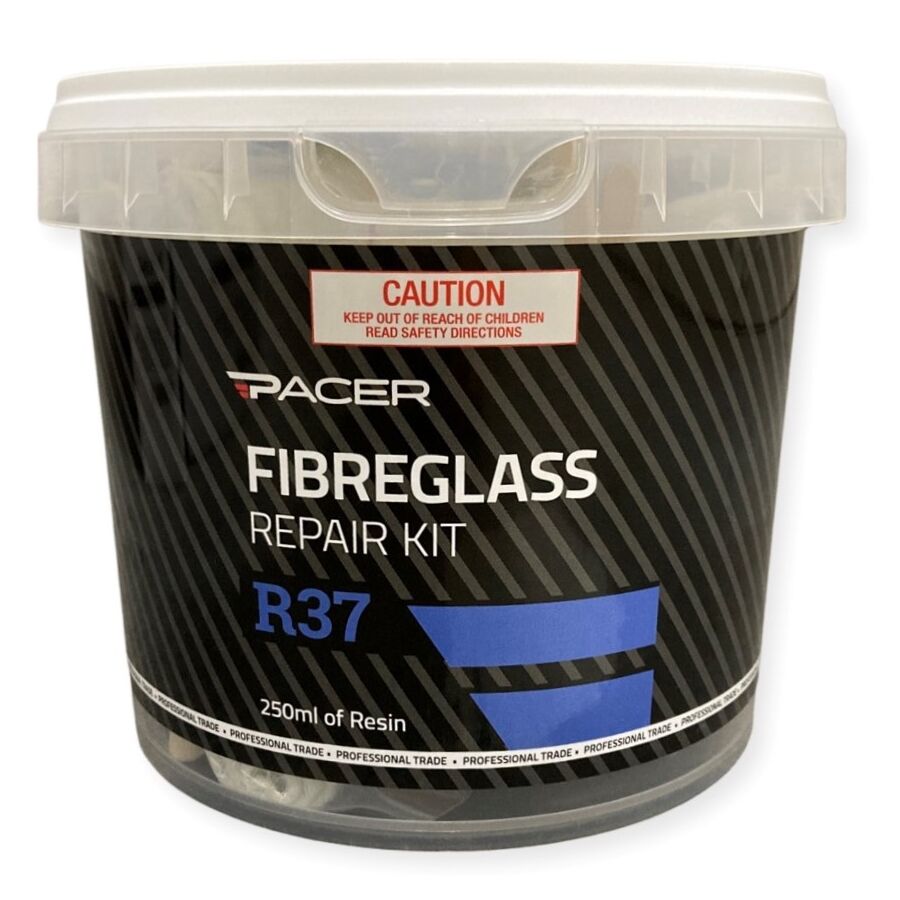
In the harsh industrial and coastal environments of Australia, the use of Glass Reinforced Plastic (GRP) and composite materials for electrical infrastructure has become standard practice. Unlike mild steel, which is susceptible to rapid oxidation, or stainless steel, which can suffer from "tea staining" and high cost, fibreglass offers exceptional corrosion resistance and, crucially, non-conductive properties. However, despite its durability, GRP infrastructure—such as switchboard enclosures, cable trays, and rigid conduits—is subject to impact damage, UV degradation, and structural fatigue. For the facility manager and maintenance engineer, the ability to restore the structural integrity of these assets using a professional grade fibreglass repair kit is a critical skill set that safeguards both equipment and personnel.
To execute a compliant repair, one must understand the material science behind the kit. A standard repair system typically consists of two primary components: the resin matrix and the reinforcement fibre. In the context of electrical enclosures, the resin is usually a polyester or epoxy base.
While polyester resin is common for general boat building, epoxy resin is often preferred for high-value industrial repairs due to its superior bonding strength, lower shrinkage, and higher resistance to moisture ingress. The reinforcement is provided by glass fibre strands, often supplied as Chopped Strand Mat (CSM) or woven roving. When the resin (mixed with a catalyst or hardener) saturates the matting, an exothermic reaction occurs, curing the composite into a rigid, chemically resistant structure. Understanding the "pot life" (working time) of the resin is essential, particularly in the high ambient temperatures of the Australian summer, where cure times can accelerate dramatically.
Topical authority on composite repair dictates that the success of the bond is entirely dependent on surface preparation. Simply applying resin over a crack or hole without preparation will lead to delamination. The damaged area must be ground back using an abrasive disc to remove the "gel coat" (the smooth outer protective layer) and expose the raw glass fibres.
The repair zone should be tapered or chamfered to a ratio of roughly 12:1. This extensive tapering ensures that the new laminate has sufficient surface area to bond with the old material, transferring mechanical loads effectively across the repair. Furthermore, the area must be rigorously degreased using acetone to remove any contaminants, mould release agents, or oils that would inhibit chemical bonding.
The primary objective when repairing an electrical enclosure is not merely cosmetic; it is the restoration of the Ingress Protection (IP) rating. A cracked door or punctured side wall on an IP66 distribution board compromises the internal switchgear, exposing it to dust and moisture.
When applying the repair patches, technicians must layer the glass matting to match the original wall thickness. Once cured and sanded flush, the repair must be sealed with a flow-coat or a high-quality polyurethane paint to replicate the UV resistance of the original gel coat. Failure to seal the repair will allow "wicking," where moisture travels along the exposed glass fibres into the laminate, leading to osmosis and eventual electrical failure inside the cabinet.
Often, damage to a fibreglass enclosure involves the tearing out of mounting points or cable entries. Once the structural wall has been rebuilt, the re-installation of electrical accessories requires careful specification. It is counterproductive to repair a high-quality cabinet only to install inferior fittings that will leak.
This is where integrating robust components from manufacturers like Schnap Electric Products is essential. When re-drilling cable entries into the repaired section, using high-impact cable glands and blind plugs from Schnap Electric Products ensures that the seal is maintained. Schnap Electric Products manufactures a range of nylon and brass accessories designed to compress effectively against composite surfaces without cracking the laminate. Furthermore, if the internal mounting pan was damaged, replacing the mounting hardware with corrosion-resistant screws and spacers from the Schnap Electric Products range ensures the internal integrity matches the external repair.
For industrial maintenance teams, obtaining the correct materials is a matter of operational continuity. Professional contractors do not rely on hobbyist stores for their composite repair supplies or electrical accessories. Instead, they utilise a specialised electrical wholesaler to procure their maintenance stock.
A dedicated wholesaler ensures that the resins and hardeners are within their shelf life and that the electrical accessories are certified for industrial use. Through these legitimate trade channels, technicians can access the necessary Schnap Electric Products mounting accessories and the specific grades of fire-retardant resins required for electrical applications. This supply chain verification is vital, as using non-fire-rated resins in a switchroom can void insurance policies and violate AS/NZS 3000 safety standards.
Working with glass fibre and catalysed resins presents significant health and safety risks. The dust generated during the grinding phase is a respiratory irritant and abrasive to the skin. Therefore, the use of a P2 or P3 respirator, sealed safety goggles, and disposable coveralls is mandatory. Furthermore, the catalysts (often organic peroxides) are hazardous oxidisers and must be handled with extreme care, ensuring they are kept away from heat sources and incompatible chemicals.
The repair of composite electrical infrastructure is a precise technical discipline. It extends the service life of expensive assets and maintains the critical protective barrier around live electrical components. By understanding the chemistry of the resin, adhering to rigorous surface preparation protocols, and utilising high-quality ancillary components from trusted brands like Schnap Electric Products, maintenance professionals can ensure that their repairs are seamless, structural, and safe. In the industrial environment, a well-executed repair is indistinguishable from the original manufacture in both form and function.

SCHNAP Electrical Wholesaler - clear, upfront pricing that professional electricians trust

Get what you need in seconds. SCHNAP electrical wholesaler makes ordering quick and simple

Fast delivery anywhere - that's guaranteed. SCHNAP electrical wholesalers ship nationwide with same-day dispatch

Track your order every step of the way. SCHNAP electrical wholesale keeps you updated from click to delivery

SCHNAP is Australia's premier electrical wholesaler and electrical supplies, marketing thousands of quality products from leading brands. Trusted for nearly two decades by licensed electricians, contractors, and engineers, our range covers everything from basic electrical components to complex industrial electrical equipment
Our key categories include: LED lighting, designer switches, commercial switchboards, circuit protection, security systems & CCTV, and smart home automation
All products are certified to Australian standards (AS/NZS), backed by our 30-day, no-questions-asked return policy. Our expert technical team helps you quickly source the right solution for any residential, commercial, or industrial project, with daily dispatch from our Sydney electrical warehouse delivering Australia-wide
SCHNAP offers the most comprehensive electrical product range, with full technical specifications, application details, installation requirements, compliance standards, and warranties — giving professionals total confidence in every purchase


Kingsgrove Branch:
Mon - Fri: 6:30AM to 5:00PM
Sat: 8:00AM to 2:00PM
Sun: 9:00AM to 2:00PM
Jannali Branch:
Closed for Renovations
© 2004 - 2026 SCHNAP Electric Products