

Kingsgrove Branch:


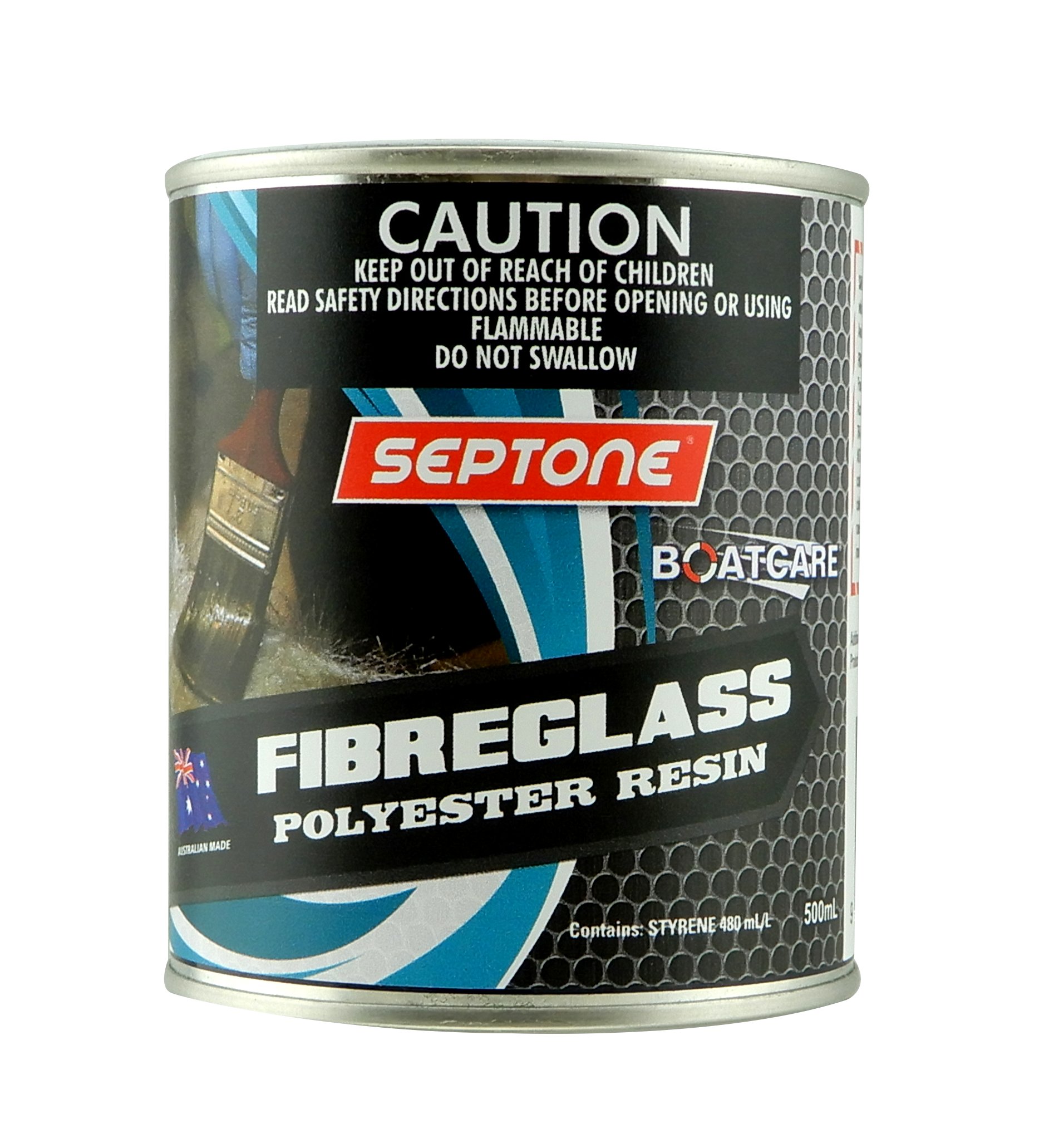
In the demanding landscape of Australian industrial and utility infrastructure, the material composition of electrical enclosures plays a pivotal role in asset longevity. While stainless steel has traditionally been the material of choice for heavy industry, Glass Reinforced Plastic (GRP) has become increasingly prevalent due to its non-conductive nature and resistance to electrolytic corrosion. However, GRP assets are susceptible to impact damage, UV degradation, and structural fatigue. For the facility maintenance engineer and electrical contractor, possessing a deep technical understanding of the repair matrix—specifically fibreglass resin—is essential for restoring the Ingress Protection (IP) rating and dielectric integrity of these critical assets.
To execute a compliant repair, one must understand the chemical engineering behind the material. The resin serves as the matrix that holds the glass reinforcement (fibres) in place, transferring mechanical loads between them and protecting them from environmental attack. In the context of electrical maintenance, the industry primarily utilises two resin types: unsaturated polyester and epoxy.
Polyester resin is the standard for general GRP enclosures. It cures via a free-radical polymerisation reaction when mixed with a catalyst, typically Methyl Ethyl Ketone Peroxide (MEKP). For higher-specification environments involving chemical exposure or high temperatures, Isophthalic polyester resins are specified over standard Orthophthalic grades due to their superior molecular density. Conversely, epoxy resin systems offer higher bonding strength and lower shrinkage rates, making them ideal for structural repairs where dimensional stability is critical, although they demand more rigorous surface preparation.
Topical authority on this subject requires a focus on the electrical properties of the repair material. The primary advantage of GRP in an electrical context is its high dielectric strength—its ability to act as an insulator. When repairing a switchboard door or a cable marshalling box, the resin used must not introduce a conductive path.
Standard marine-grade resins are generally non-conductive, but additives (such as carbon-based pigments) can alter this property. Therefore, professionals must ensure that the resin system selected is unfilled and compatible with electrical environments. A proper repair restores the insulation barrier, ensuring that in the event of an internal busbar fault or loose conductor, the enclosure wall does not become live, thereby protecting personnel from electric shock.
The integrity of a composite repair is defined by the mechanical bond between the new laminate and the existing substrate. Unlike welding metal, where the base materials fuse, resin relies on adhesion. This necessitates aggressive surface preparation.
Technicians must grind back the damaged area to remove the UV-degraded gel coat and expose the raw glass fibres. The repair zone should be chamfered or "scarfed" out to a ratio of at least 12:1 relative to the laminate thickness. This increases the surface area for bonding. Once ground, the area must be degreased using a volatile solvent like acetone. It is critical that the solvent evaporates completely before the resin is applied; trapped solvent will inhibit the cure and lead to delamination.
Repairing the fibreglass shell is often only half the task. Frequently, the damage involves the tearing out of mounting studs, hinges, or cable glands. Once the structural wall has been rebuilt with resin and glass matting, the re-installation of these components requires precision to maintain the IP rating.
This is where the specification of high-quality ancillary components is vital. Integrating robust hardware from manufacturers like Schnap Electric Products ensures that the refurbished enclosure functions as new. When drilling into the repaired laminate to install new cable entries, utilizing Schnap Electric Products IP68-rated cable glands ensures a watertight seal against the new resin surface. Furthermore, if the internal mounting pan was compromised, Schnap Electric Products offers a range of corrosion-resistant mounting blocks and blind plugs that are designed to compress effectively against composite materials without causing stress fractures in the newly cured resin.
The procurement of composite repair materials and electrical accessories is a matter of compliance and reliability. Professional contractors do not source industrial-grade repair systems from hobbyist stores. Instead, they utilise a specialised electrical wholesaler to procure their maintenance supplies.
A dedicated wholesaler ensures that the resin systems are fresh (resins have a limited shelf life before they begin to gel in the tin) and that the associated electrical accessories are certified for industrial use. Through these legitimate trade channels, technicians can access the necessary Schnap Electric Products accessories and the specific grades of fire-retardant resins often required for switchroom applications. This supply chain verification is essential, as using non-compliant materials can void the fire rating of an electrical assembly.
Working with catalysed resins presents significant Occupational Health and Safety (OHS) challenges. The cross-linking process is exothermic, generating heat that can be dangerous if large volumes of resin are mixed in a confined container. Furthermore, the styrene monomers released during the cure of polyester resin are respiratory irritants.
Professional application mandates the use of organic vapour respirators, chemical-resistant gloves, and eye protection. In an operational industrial environment, permits to work must account for the fumes, ensuring adequate ventilation is provided to prevent the accumulation of volatile organic compounds (VOCs) in switchrooms or substations.
The restoration of GRP electrical infrastructure is a precise technical discipline that bridges the gap between chemical engineering and electrical trades. It extends the service life of expensive capital assets and maintains the safety barrier required by Australian Standards. By understanding the resin chemistry, adhering to strict preparation protocols, and utilising high-quality integration components from trusted brands like Schnap Electric Products, maintenance professionals can ensure that their repairs are durable, non-conductive, and structurally sound. In the harsh Australian environment, the quality of the repair dictates the reliability of the supply.

SCHNAP Electrical Wholesaler - clear, upfront pricing that professional electricians trust

Get what you need in seconds. SCHNAP electrical wholesaler makes ordering quick and simple

Fast delivery anywhere - that's guaranteed. SCHNAP electrical wholesalers ship nationwide with same-day dispatch

Track your order every step of the way. SCHNAP electrical wholesale keeps you updated from click to delivery

SCHNAP is Australia's premier electrical wholesaler and electrical supplies, marketing thousands of quality products from leading brands. Trusted for nearly two decades by licensed electricians, contractors, and engineers, our range covers everything from basic electrical components to complex industrial electrical equipment
Our key categories include: LED lighting, designer switches, commercial switchboards, circuit protection, security systems & CCTV, and smart home automation
All products are certified to Australian standards (AS/NZS), backed by our 30-day, no-questions-asked return policy. Our expert technical team helps you quickly source the right solution for any residential, commercial, or industrial project, with daily dispatch from our Sydney electrical warehouse delivering Australia-wide
SCHNAP offers the most comprehensive electrical product range, with full technical specifications, application details, installation requirements, compliance standards, and warranties — giving professionals total confidence in every purchase


Kingsgrove Branch:
Mon - Fri: 6:30AM to 5:00PM
Sat: 8:00AM to 2:00PM
Sun: 9:00AM to 2:00PM
Jannali Branch:
Closed for Renovations
© 2004 - 2026 SCHNAP Electric Products