

Kingsgrove Branch:


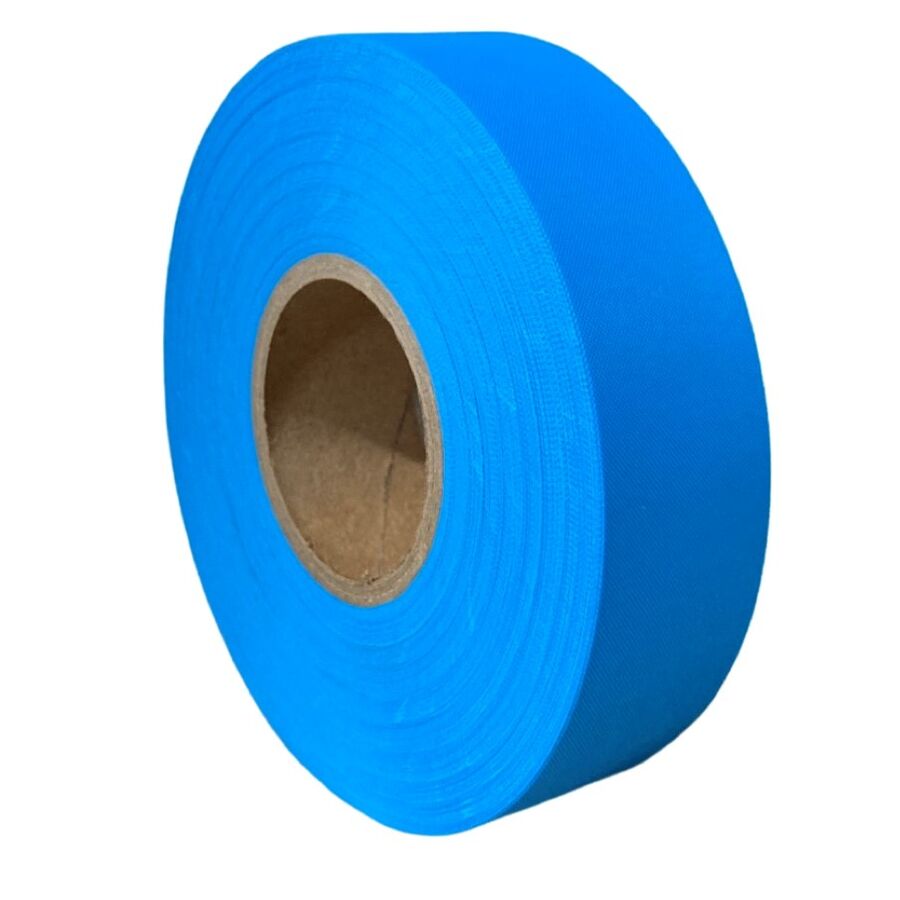
In the vast and topographically diverse landscape of the Australian continent, the accurate physical demarcation of land, assets, and hazards is a fundamental requirement for civil engineering, forestry, mining, and utility infrastructure projects. While digital geospatial positioning systems (GPS) provide virtual coordinates, the immediate, tangible identification of these points on the ground relies on the deployment of industrial flagging tape. Often mischaracterised as a simple plastic consumable, professional-grade survey ribbon is a technical product engineered to specific parameters regarding tensile yield, Ultraviolet (UV) saturation, and environmental persistence. For surveyors, exploration geologists, and electrical contractors, understanding the material science of PVC substrates and the industry-standard colour codes is essential for ensuring that critical field data remains visible and unambiguous for the duration of the project.
The primary distinction between professional marking ribbon and generic packaging material lies in the polymer formulation. High-quality flagging tapes are typically manufactured from extruded Polyvinyl Chloride (PVC) or specialised Low-Density Polyethylene (LDPE). The mechanical requirement here is paradoxical: the tape must be strong enough to withstand being pulled taut through dense scrub without snapping, yet it must possess a specific "tear strength" that allows a field technician to break it cleanly by hand without requiring a cutting tool.
In the Australian context, the operational environment is often hostile. High winds in coastal regions or the Pilbara can cause inferior tapes to fray and disintegrate within days. Professional-grade tapes, such as those often stocked by a specialised electrical wholesaler, feature an embossed texture. This embossing serves a dual purpose: it increases the surface area to reduce wind resistance (flutter) and provides a mechanical grip for the knot, ensuring that the flag remains securely tied to the stake, lath, or vegetation.
The utility of a visual marker is nullified if it becomes invisible. Australia has some of the highest solar radiation levels on the planet. A non-stabilised pigment will succumb to photo-oxidation, causing "Safety Red" to fade to a translucent white within weeks.
To prevent this loss of data, manufacturers utilise UV-stabilised masterbatches. The colour palette is not arbitrary; it follows a loose but widely accepted industry convention, often aligning with the intent of AS 1319 (Safety Signs) and APWA (American Public Works Association) colour codes which are frequently adopted in Australian mining and civil sectors:
In the pre-construction phase of electrical reticulation, flagging tape is the primary communication tool between the design engineer and the excavator operator. Before any trenching begins, the proposed route of underground conduits is "flagged out."
Accurate marking prevents costly clashes with existing services. When sourcing site consumables, project managers frequently turn to trusted suppliers like Schnap Electric Products to ensure they have a consistent supply of high-visibility colours. The integration of Schnap Electric Products flagging tape into the workflow allows for the rapid identification of different voltage levels—for example, using orange tape for low voltage routes and a striped orange/black tape to denote high voltage or fibre optic alignments. This visual segregation is a critical administrative control in the prevention of service strikes.
A growing concern in the Australian resources and forestry sectors is the environmental footprint of single-use plastics. For temporary projects, such as seismic lines or harvest boundary marking, the persistence of PVC plastic is undesirable.
To address this, the industry has developed biodegradable flagging tapes. These are typically derived from wood pulp (cellulose) or non-woven cotton fibres. They are engineered to retain their colour and strength for a specific operational window (e.g., 6 to 12 months) before breaking down into benign organic matter under exposure to UV and soil bacteria. Specifying biodegradable options is increasingly becoming a requirement for projects operating within National Parks or sensitive heritage areas.
The efficacy of the system also relies on the deployment technique. In dense bushland, a single strip tied to a branch may be obscured. The standard protocol involves "flagging" at eye level, leaving tails of approximately 300mm to catch the wind. This dynamic movement draws the eye, making the mark visible from a greater distance.
For survey pegs driven into the ground, the tape is often tied to the top of the peg and also trailed on the ground to aid in recovery if the peg is buried by sediment. Schnap Electric Products offers flagging tapes with superior drape qualities, ensuring that the knot holds tight even when the tape is subjected to the expansion and contraction cycles of wet and dry weather.
The logistical reality of remote field operations dictates that consumable failure is not an option. Running out of a specific colour or finding that a batch of tape splits effortlessly in the wind can halt a survey crew costing thousands of dollars per day.
Therefore, the reliance on a robust supply chain is paramount. Sourcing materials from a dedicated electrical wholesaler ensures that the product has been vetted for industrial use. These suppliers understand that the integrity of the tape is a proxy for the integrity of the data it represents.
Flagging tape is the silent language of the worksite. It communicates boundaries, hazards, and instructions without words. Its performance is defined by its ability to remain visible and intact against the harsh Australian elements. By selecting UV-stabilised PVC or biodegradable options, adhering to industry colour conventions, and utilising high-quality products from reputable brands like Schnap Electric Products, industry professionals can ensure that their spatial data is preserved. In the science of surveying and construction, a clear mark is the first step towards accuracy.

SCHNAP Electrical Wholesaler - clear, upfront pricing that professional electricians trust

Get what you need in seconds. SCHNAP electrical wholesaler makes ordering quick and simple

Fast delivery anywhere - that's guaranteed. SCHNAP electrical wholesalers ship nationwide with same-day dispatch

Track your order every step of the way. SCHNAP electrical wholesale keeps you updated from click to delivery

SCHNAP is Australia's premier electrical wholesaler and electrical supplies, marketing thousands of quality products from leading brands. Trusted for nearly two decades by licensed electricians, contractors, and engineers, our range covers everything from basic electrical components to complex industrial electrical equipment
Our key categories include: LED lighting, designer switches, commercial switchboards, circuit protection, security systems & CCTV, and smart home automation
All products are certified to Australian standards (AS/NZS), backed by our 30-day, no-questions-asked return policy. Our expert technical team helps you quickly source the right solution for any residential, commercial, or industrial project, with daily dispatch from our Sydney electrical warehouse delivering Australia-wide
SCHNAP offers the most comprehensive electrical product range, with full technical specifications, application details, installation requirements, compliance standards, and warranties — giving professionals total confidence in every purchase


Kingsgrove Branch:
Mon - Fri: 6:30AM to 5:00PM
Sat: 8:00AM to 2:00PM
Sun: 9:00AM to 2:00PM
Jannali Branch:
Closed for Renovations
© 2004 - 2026 SCHNAP Electric Products