

Kingsgrove Branch:


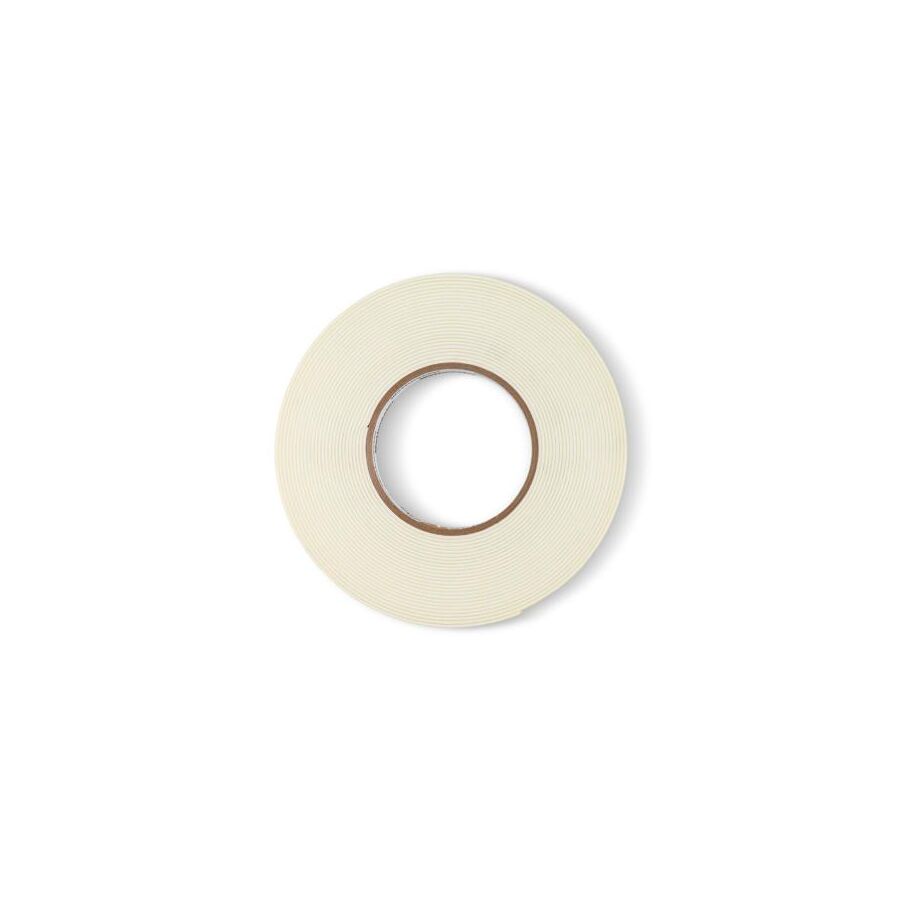
In the diverse and mechanically demanding landscape of Australian construction and manufacturing, the joining of irregular surfaces and the sealing of environmental enclosures are critical engineering challenges. While mechanical fasteners provide rigid fixation, they often fail to address issues related to vibration, thermal expansion, and moisture ingress. The solution frequently lies in the application of industrial foam tape. Far from being a simple gap filler, this category of material—typically comprising a Polyethylene (PE), Polyurethane (PU), or Ethylene Vinyl Acetate (EVA) carrier—is a sophisticated composite system. It functions simultaneously as a structural fastener, a hermetic gasket, and a vibration damper. For industrial designers, facility managers, and electrical contractors, a granular understanding of cell structure, compression set resistance, and adhesive chemistry is essential for maintaining the integrity of assets against the harsh Australian elements.
The defining characteristic of these tapes is the cellular structure of the foam core. From an engineering perspective, the distinction between open-cell and closed-cell structures dictates the application suitability.
For exterior applications, such as sealing solar isolator housings or waterproofing HVAC duct flanges, closed-cell foam is the mandatory specification. When compressed, it forms a watertight barrier that contributes to the Ingress Protection (IP) rating of an enclosure. Schnap Electric Products manufactures a range of high-density closed-cell foam tapes designed to maintain this barrier integrity even under significant hydrostatic pressure, ensuring that sensitive electrical components remain dry.
A primary advantage of foam tape over rigid fasteners or thin-film tapes is its viscoelastic nature. It exhibits properties of both a viscous liquid and an elastic solid. This allows the tape to deform and flow into the microscopic "valleys" of a textured surface, such as a rendered wall or checker-plate steel floor.
This conformability ensures 100% surface contact, maximising the bond area. Furthermore, the foam core acts as a stress relaxation mechanism. In the Australian climate, where diurnal temperature shifts can cause significant thermal expansion and contraction in building materials, a rigid bond often fails. The foam carrier stretches and relaxes internally to accommodate the differential movement between two dissimilar materials (e.g., bonding aluminium to glass) without shearing the adhesive bond or cracking the substrate.
The performance of the tape is also governed by the adhesive coated onto the foam carrier. Two primary systems dominate the industrial sector:
When specifying products for long-term outdoor use, such as mounting external signage or sensors, engineers must ensure an acrylic system is used.
In the Mechanical Services sector, noise transfer is a critical defect. Vibration from air handling units or pumps can travel through rigid ductwork, creating structural noise.
Foam tape acts as a mechanical isolator. When applied between the mating flanges of ductwork or between a motor mount and the chassis, the foam core disrupts the transmission path of the vibration energy. This "damping" effect changes the resonant frequency of the assembly. Schnap Electric Products offers specific glazing and mounting tapes with high internal damping coefficients, which are frequently utilised to prevent rattling in access panels and machinery guards.
The integrity of the bond is directly proportional to the surface preparation. Contaminants such as oil, grease, and concrete dust act as release agents. Professional application mandates cleaning the substrate with an isopropyl alcohol (IPA) solution to raise the surface energy.
Furthermore, the supply chain is critical. The market contains many inferior foam products that suffer from "compression set"—where the foam collapses permanently and loses its rebound pressure, leading to seal failure. To mitigate this, procurement officers typically consult a specialised electrical wholesaler to source certified industrial-grade tapes. Through this channel, they can access technical data regarding the foam's density (measured in kg/m³) and its resistance to compression set, ensuring the product will maintain a tight seal for the life of the installation.
In the electrical distribution sector, foam tape is a vital component for dust exclusion. Switchboards located in mining or agricultural environments are prone to dust ingress which can cause tracking faults.
Applying a strip of Schnap Electric Products self-adhesive foam tape to the door frame of a switchboard creates a repeatable compression seal. Unlike liquid sealants which are permanent, the foam tape allows the door to be opened and closed for maintenance without breaking the seal integrity. Additionally, for mounting lightweight internal components like document holders or DIN rail cutters, double-sided foam tape eliminates the need for drilling into the backplate, preserving the fire rating and preventing the generation of metal swarf.
The utilization of industrial foam tape represents a convergence of fastening and sealing technologies. It provides a robust solution for bonding irregular surfaces, managing thermal expansion, and excluding environmental contaminants. By understanding the critical differences between open and closed-cell structures, selecting the appropriate adhesive chemistry, and utilizing high-quality products from trusted brands like Schnap Electric Products, industry professionals can ensure that their assemblies remain secure, watertight, and compliant with Australian Standards. In the science of sealing, the ability to compress and adapt is the key to longevity.

SCHNAP Electrical Wholesaler - clear, upfront pricing that professional electricians trust

Get what you need in seconds. SCHNAP electrical wholesaler makes ordering quick and simple

Fast delivery anywhere - that's guaranteed. SCHNAP electrical wholesalers ship nationwide with same-day dispatch

Track your order every step of the way. SCHNAP electrical wholesale keeps you updated from click to delivery

SCHNAP is Australia's premier electrical wholesaler and electrical supplies, marketing thousands of quality products from leading brands. Trusted for nearly two decades by licensed electricians, contractors, and engineers, our range covers everything from basic electrical components to complex industrial electrical equipment
Our key categories include: LED lighting, designer switches, commercial switchboards, circuit protection, security systems & CCTV, and smart home automation
All products are certified to Australian standards (AS/NZS), backed by our 30-day, no-questions-asked return policy. Our expert technical team helps you quickly source the right solution for any residential, commercial, or industrial project, with daily dispatch from our Sydney electrical warehouse delivering Australia-wide
SCHNAP offers the most comprehensive electrical product range, with full technical specifications, application details, installation requirements, compliance standards, and warranties — giving professionals total confidence in every purchase


Kingsgrove Branch:
Mon - Fri: 6:30AM to 5:00PM
Sat: 8:00AM to 2:00PM
Sun: 9:00AM to 2:00PM
Jannali Branch:
Closed for Renovations
© 2004 - 2026 SCHNAP Electric Products