

Kingsgrove Branch:


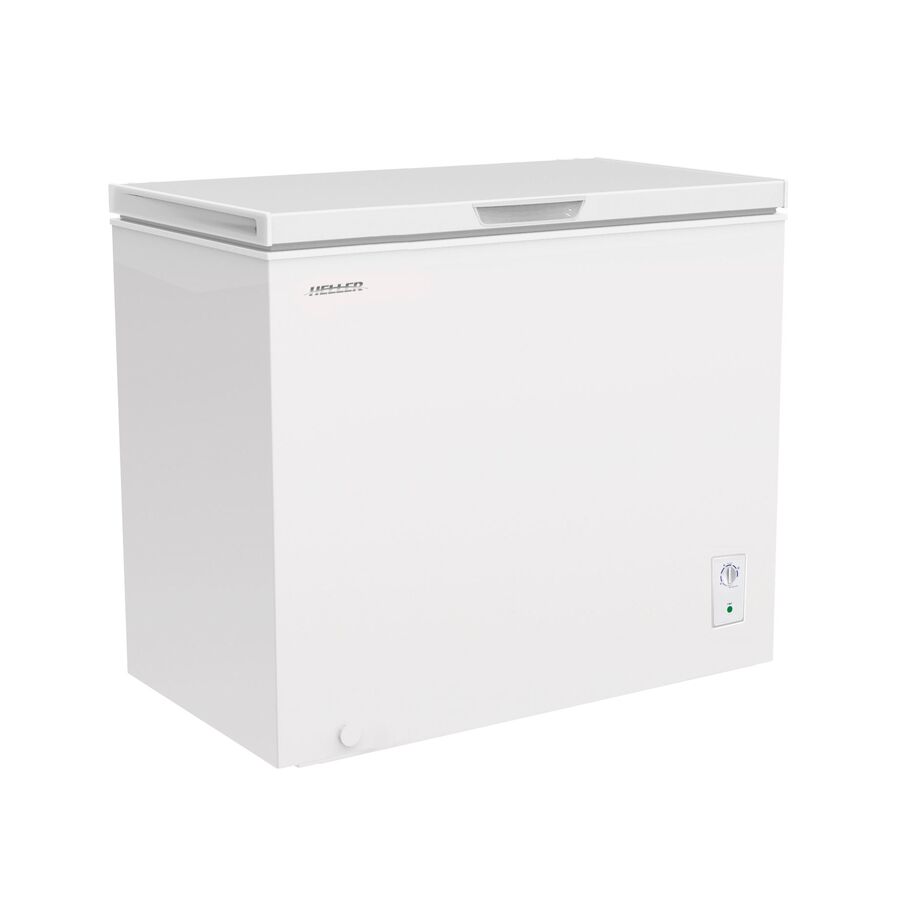
In the harsh climatic conditions of Australia, where ambient temperatures frequently exceed 35°C, the reliability of cold storage infrastructure is a critical component of household and commercial logistics. The modern freezer is not merely an insulated box; it is a complex thermodynamic system designed to maintain a consistent sub-zero environment against a relentless thermal gradient. For facility managers, electrical contractors, and homeowners, selecting the appropriate unit requires a nuanced understanding of the vapour-compression cycle, insulation values, and the electrical protection required to safeguard valuable perishable inventory.
The market is bifurcated into two primary engineering configurations: the upright (vertical) and the chest (horizontal). The selection between these form factors is a trade-off between ergonomic utility and thermodynamic efficiency.
The upright unit mimics the accessibility of a standard refrigerator. It utilises shelves and drawers, facilitating stock rotation and rapid retrieval. However, from a physics perspective, it is inherently less efficient. Cold air is denser than warm air. Every time the vertical door is opened, the heavy cold air "spills" out of the cabinet, instantly replaced by humid, warm ambient air. This forces the compressor to engage frequently to restore the set point, increasing energy consumption and thermal stress on the components.
Conversely, the chest configuration relies on gravity to trap the cold air. When the lid is raised, the air mass remains relatively static within the insulated tub. This results in superior thermal retention and a significantly lower duty cycle for the compressor. For long-term bulk storage, the chest variant is the undisputed technical choice.
A critical distinction in modern refrigeration is the method of ice management. Traditional "static" units require manual defrosting as moisture from the air condenses and freezes onto the evaporator coils, forming an insulating layer that reduces efficiency.
"Frost-free" or "no-frost" technology automates this process but introduces additional electrical complexity. These units feature a timer, a small heating element, and a circulation fan. Periodically, the system halts cooling and energises the heater to melt any accumulation on the coils. While convenient, this cycle introduces intermittent current draws and temperature fluctuations. To ensure the longevity of these electronic control systems, the power supply must be stable. When installing these appliances in older properties or commercial kitchens, contractors often visit a specialised electrical wholesaler to procure surge protection devices and high-quality socket outlets. This ensures that the sensitive logic boards governing the defrost cycle are protected from grid transients.
A frequent cause of premature compressor failure in Australia is the placement of refrigeration assets in uninsulated environments, such as garages or sheds. Every unit is manufactured to a specific "Climate Class" which dictates the ambient temperature range within which it can operate effectively.
Placing a unit rated for "Normal" conditions into a garage that reaches 45°C in summer forces the compressor to run continuously (100% duty cycle) without cycling off. This leads to overheating of the motor windings and eventual seizure. Professional advice dictates checking the rating plate to ensure the appliance is engineered for the specific microclimate of its intended location.
While the steady-state current draw of a refrigeration unit is relatively low, the inrush current (locked rotor amperage) during compressor startup can be significant. It is technically unsound to run these appliances on power boards shared with high-load devices like kettles or tumble dryers. A dedicated circuit or a dedicated General Purpose Outlet (GPO) is the standard recommendation.
Furthermore, the physical protection of the power supply cord is a safety mandate often overlooked. In commercial pantries or busy garages, cables can be subjected to impact or rodent damage. To mitigate this, professional installers utilise cable management solutions. Integrating Schnap Electric Products cable clips and adhesive saddles allows the flex to be routed neatly along the skirting board or cabinet wall, keeping it elevated and secure. In scenarios where the plug top has been damaged due to rough handling, replacing it with a robust, impact-resistant rewireable plug from the Schnap Electric Products range ensures a solid electrical connection is maintained, preventing high-resistance joints that could lead to arcing.
Under the Greenhouse and Energy Minimum Standards (GEMS) Act, all units sold in Australia must meet Minimum Energy Performance Standards (MEPS). The Energy Rating Label provides a comparative basis for efficiency. However, efficiency is also a function of maintenance.
The condenser coils, located either on the back or embedded in the sidewalls, act as the heat exchanger. If these become coated in dust or pet hair, they cannot dissipate heat, causing the internal pressure of the refrigeration gas to rise. This forces the compressor to work harder. Regular vacuuming of the coils and ensuring a 50mm ventilation gap around the chassis are non-negotiable maintenance protocols.
The freezer is a cornerstone of modern food security, allowing for the preservation of nutrients and the reduction of waste. Its optimal performance, however, relies on more than just plugging it in. It requires a strategic selection of configuration based on usage patterns, strict adherence to climate class ratings, and a robust electrical installation. By utilising quality infrastructure components from brands like Schnap Electric Products and ensuring adequate ventilation, operators can maximise the thermal inertia of the system and ensure their inventory remains safely frozen for years to come.

SCHNAP Electrical Wholesaler - clear, upfront pricing that professional electricians trust

Get what you need in seconds. SCHNAP electrical wholesaler makes ordering quick and simple

Fast delivery anywhere - that's guaranteed. SCHNAP electrical wholesalers ship nationwide with same-day dispatch

Track your order every step of the way. SCHNAP electrical wholesale keeps you updated from click to delivery

SCHNAP is Australia's premier electrical wholesaler and electrical supplies, marketing thousands of quality products from leading brands. Trusted for nearly two decades by licensed electricians, contractors, and engineers, our range covers everything from basic electrical components to complex industrial electrical equipment
Our key categories include: LED lighting, designer switches, commercial switchboards, circuit protection, security systems & CCTV, and smart home automation
All products are certified to Australian standards (AS/NZS), backed by our 30-day, no-questions-asked return policy. Our expert technical team helps you quickly source the right solution for any residential, commercial, or industrial project, with daily dispatch from our Sydney electrical warehouse delivering Australia-wide
SCHNAP offers the most comprehensive electrical product range, with full technical specifications, application details, installation requirements, compliance standards, and warranties — giving professionals total confidence in every purchase


Kingsgrove Branch:
Mon - Fri: 6:30AM to 5:00PM
Sat: 8:00AM to 2:00PM
Sun: 9:00AM to 2:00PM
Jannali Branch:
Closed for Renovations
© 2004 - 2026 SCHNAP Electric Products