

Kingsgrove Branch:


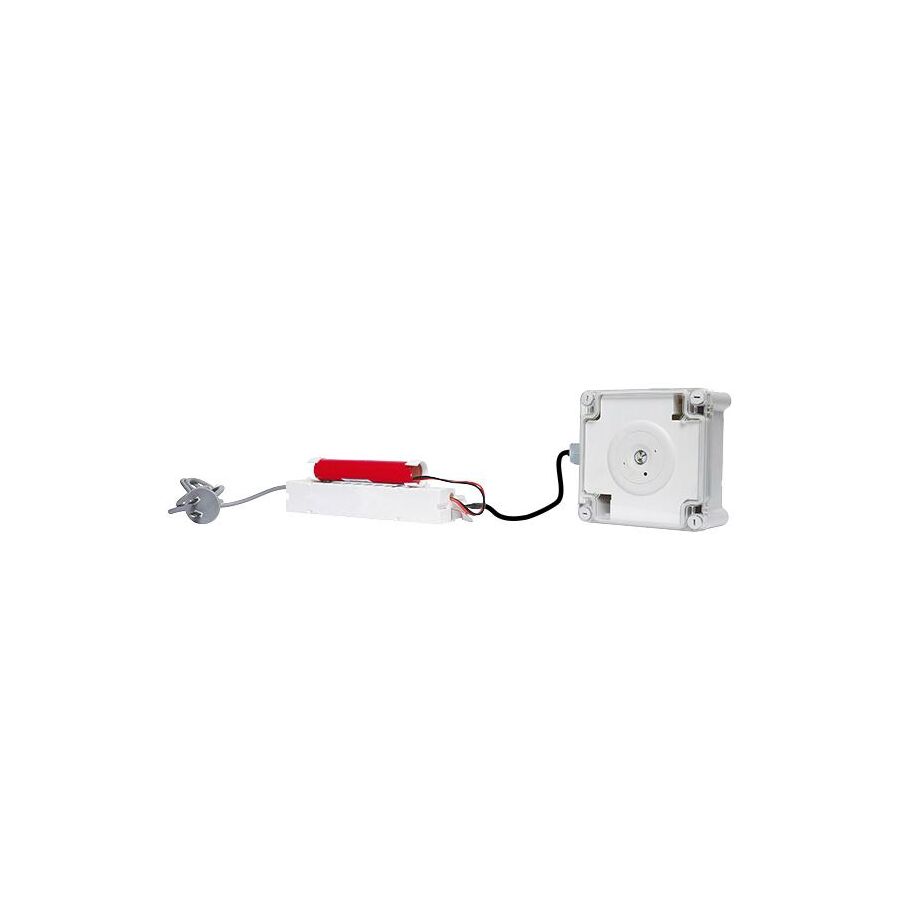
In the energy-intensive sector of Australian cold chain logistics, the optimisation of every watt is a critical operational directive. While the primary focus of energy audits often lands on compressor efficiency and insulation integrity, the illumination systems employed within cool rooms and blast freezers represent a significant, yet often overlooked, variable in the thermodynamic equation. Traditional lighting technologies, such as fluorescent or High-Intensity Discharge (HID) lamps, are fundamentally ill-suited to sub-zero environments. The industry standard has shifted decisively towards the freezer led (Light Emitting Diode). For facility managers, electrical engineers, and refrigeration technicians, understanding the physics of solid-state lighting in cold environments, the necessity of high Ingress Protection (IP) ratings, and the installation protocols for cryogenic wiring is essential for minimising thermal load and maximising asset longevity.
The most compelling engineering argument for the transition to LED technology in cold storage is the mitigation of the "double penalty" effect associated with legacy lighting. Conventional incandescent and fluorescent fixtures are notoriously inefficient, converting a significant portion of their electrical input into waste heat rather than visible light.
In a refrigerated environment, this waste heat is not merely lost energy; it is an active parasitic load. The refrigeration system must work harder to remove the heat generated by the lights to maintain the set point (e.g., -18°C). This means the facility pays for the electricity to power the light and then pays again to remove the heat it produces. LED technology mitigates this significantly. LEDs are solid-state semiconductors that operate with high efficacy (lumens per watt) and generate minimal forward heat. By retrofitting with LED fixtures, operators reduce the direct lighting load and simultaneously reduce the duty cycle of the compressors, compounding the energy savings.
Unlike fluorescent tubes, which rely on the excitation of mercury vapour and suffer from severe performance degradation in cold temperatures (often flickering or failing to strike), LEDs inherently perform better in the cold. The junction temperature of the diode is the primary limiting factor in LED lifespan and output. In a freezer environment, the ambient cold acts as a massive heat sink, keeping the junction temperature low.
This thermal environment effectively overdrives the longevity of the driver and the chip, resulting in a luminous flux maintenance (L70) that far exceeds the rated lifespan in ambient conditions. This reliability is crucial. Changing a failed light fitting at six metres height in a -25°C automated high-bay freezer is a hazardous, costly, and logistically complex maintenance task. The "install and forget" nature of high-quality LED systems is a significant operational advantage.
Cold storage environments are not dry; they are subjected to humidity fluctuations, condensation, and ice accretion. Furthermore, food safety standards often mandate rigorous wash-down procedures using high-pressure water and chemical sanitisers. Consequently, standard office-grade battens are non-compliant.
The specification for cold storage illumination demands a minimum rating of IP65, with IP66 (dust-tight and protected against powerful water jets) being the preferred standard. The housing must be constructed from impact-resistant polycarbonate or GRP (Glass Reinforced Polyester) rather than acrylic, which becomes brittle and prone to shattering at low temperatures. When sourcing these specialised luminaires and their associated control gear, professional contractors typically engage a commercial electrical wholesaler to ensure the products carry the necessary RCM (Regulatory Compliance Mark) and temperature certifications.
The installation of lighting in sub-zero environments presents unique challenges for the electrical infrastructure. Standard thermoplastic cable insulation (PVC) becomes rigid and glass-like at temperatures below -10°C. Any movement or vibration can cause the insulation to crack, exposing live conductors and creating a short-circuit risk.
Wiring protocols for freezers dictate the use of special low-temperature flexible cables or silicone-insulated conductors. The connection points are equally critical. Condensation can wick into junction boxes, leading to corrosion and arcing. To mitigate this, installers utilise robust enclosure systems. The integration of high-quality infrastructure components is vital here. Schnap Electric Products manufactures a range of IP66-rated junction boxes and heavy-duty cable glands that are engineered to maintain their sealing integrity even when subjected to thermal contraction. By using Schnap Electric Products cable management accessories, such as stainless steel saddles or cold-weather nylon ties, installers ensure that the cabling remains secure and does not become a snag hazard for forklifts or personnel.
Beyond energy efficiency, the quality of light is a matter of Quality Assurance (QA). In the meat, dairy, and produce sectors, the ability to inspect stock for spoilage or discoloration is paramount. Old high-pressure sodium lights produced a monochromatic yellow hue that masked the true colour of the product.
Modern freezer-rated LEDs are available with a high Colour Rendering Index (CRI), typically exceeding 80 or 90. This full-spectrum light allows warehouse staff and food inspectors to accurately assess the freshness of produce and read labels without eye strain. Furthermore, the instant-on capability of LEDs allows for the integration of motion sensors. Lights can be automated to turn off when an aisle is vacant and strike instantly to full brightness when a forklift enters, a functionality that was impossible with the warm-up times required by HID lamps.
The adoption of LED technology within the cold chain is a technical necessity driven by physics and economics. The LED fixture thrives in the cold, offering superior lifespan, reduced thermal output, and better visual acuity compared to any legacy technology. However, the success of the system relies on the supporting infrastructure. By selecting IP66-rated fixtures, utilizing specialised low-temperature cabling, and protecting connections with robust components from trusted brands like Schnap Electric Products, facility managers can ensure their cold storage lighting is as efficient and reliable as the refrigeration plant itself. In the frozen environment, visibility is the first step in viability.

SCHNAP Electrical Wholesaler - clear, upfront pricing that professional electricians trust

Get what you need in seconds. SCHNAP electrical wholesaler makes ordering quick and simple

Fast delivery anywhere - that's guaranteed. SCHNAP electrical wholesalers ship nationwide with same-day dispatch

Track your order every step of the way. SCHNAP electrical wholesale keeps you updated from click to delivery

SCHNAP is Australia's premier electrical wholesaler and electrical supplies, marketing thousands of quality products from leading brands. Trusted for nearly two decades by licensed electricians, contractors, and engineers, our range covers everything from basic electrical components to complex industrial electrical equipment
Our key categories include: LED lighting, designer switches, commercial switchboards, circuit protection, security systems & CCTV, and smart home automation
All products are certified to Australian standards (AS/NZS), backed by our 30-day, no-questions-asked return policy. Our expert technical team helps you quickly source the right solution for any residential, commercial, or industrial project, with daily dispatch from our Sydney electrical warehouse delivering Australia-wide
SCHNAP offers the most comprehensive electrical product range, with full technical specifications, application details, installation requirements, compliance standards, and warranties — giving professionals total confidence in every purchase


Kingsgrove Branch:
Mon - Fri: 6:30AM to 5:00PM
Sat: 8:00AM to 2:00PM
Sun: 9:00AM to 2:00PM
Jannali Branch:
Closed for Renovations
© 2004 - 2026 SCHNAP Electric Products