

Kingsgrove Branch:


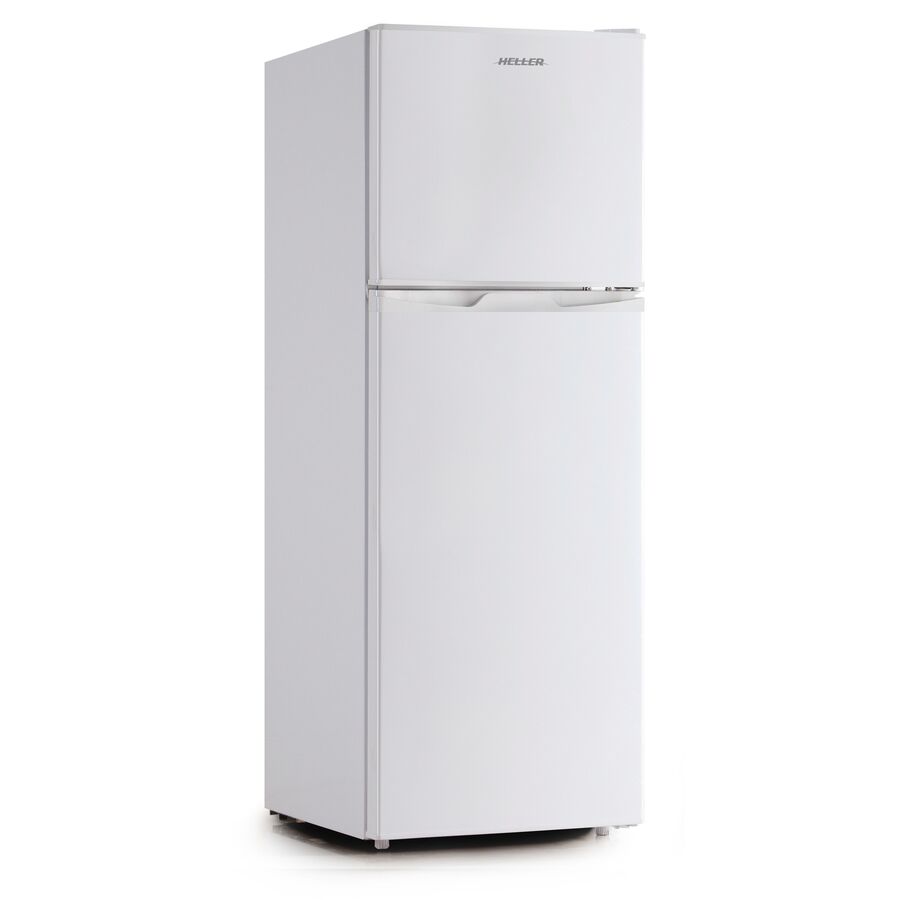
In the harsh thermal environment of the Australian continent, where ambient temperatures can fluctuate dramatically, the reliability of domestic cold storage is critical. The modern fridge freezer is no longer a simple mechanical box; it is a sophisticated thermodynamic system that integrates dual-zone climate control, variable speed electronics, and advanced insulation materials. For facility managers, residential developers, and electrical contractors, understanding the intricate balance between cooling capacity, energy efficiency, and electrical stability is essential for selecting appliances that offer longevity and compliance with the Greenhouse and Energy Minimum Standards (GEMS) Act.
The engineering architecture of combined refrigeration units is driven by a trade-off between thermodynamic efficiency and user ergonomics. The market is segmented into several primary configurations, each with distinct mechanical profiles.
At the heart of every unit is the vapour-compression refrigeration cycle. A refrigerant gas (typically R600a Isobutane in modern units) is compressed, increasing its pressure and temperature. It then passes through the condenser coils, where it dissipates heat to the external environment and condenses into a liquid. This high-pressure liquid flows through an expansion valve, causing a rapid pressure drop that flash-evaporates the fluid into a gas, absorbing heat from the internal compartments in the process.
Topical authority on this subject requires a focus on the shift from fixed-speed to inverter compressors. Older units utilised a binary "on/off" compressor that ran at full speed until the set point was reached. This created significant thermal hysteresis and high inrush currents. Modern inverter compressors operate continuously at variable speeds, modulating their output to match the thermal load. This results in stable internal temperatures and a drastic reduction in energy consumption, aligning with the stringent requirements of the Australian Energy Rating Label.
The transition to inverter technology means that modern refrigeration units are heavily reliant on sensitive Printed Circuit Boards (PCBs). These electronics are vulnerable to voltage transients and grid instability. A common failure mode involves the degradation of the control board due to "dirty power."
To mitigate this, professional installation protocols recommend the use of surge protection. When wiring kitchen circuits during a renovation, a licensed electrician will typically procure high-quality circuit protection gear from a specialised electrical wholesaler to ensure the integrity of the supply. It is also critical to ensure the physical connection is robust. In tight cabinetry spaces, the plug top can often be subjected to stress. Replacing a damaged moulded plug with a heavy-duty, rewireable plug from the Schnap Electric Products range ensures a secure, low-resistance connection. Furthermore, using Schnap Electric Products cable clips to secure the power lead prevents it from resting against the hot compressor housing, which could otherwise melt the insulation and cause a short circuit.
A frequent oversight in kitchen design is the failure to account for the appliance's "Climate Class." In Australia, units should ideally be specified as Class 'T' (Tropical), rated for ambient temperatures up to 43°C.
However, even a Tropical-rated unit will fail if it cannot breathe. The condenser coils, responsible for rejecting heat, require adequate airflow. Integrating the unit into a tight joinery cavity without the manufacturer-specified air gaps (typically 50mm at the rear and sides) creates a heat trap. The compressor is forced to work against a rising thermal gradient, leading to continuous operation and premature burnout. Architects and builders must design cabinetry that facilitates convective airflow, often by incorporating ventilation grilles at the kickboard or above the unit.
The efficiency of the thermal envelope is defined by the integrity of the magnetic door gaskets. Over time, these seals can harden and crack, allowing warm, humid air to ingress. This not only forces the compressor to work harder but also causes excessive frost buildup on the evaporator coils.
Most modern units are "frost-free," utilizing a defrost heater to melt ice accumulation. This meltwater drains via a channel to a pan atop the compressor, where it evaporates. If this drain hole becomes blocked with food debris, water will pool in the bottom of the fridge or leak onto the kitchen floor. Regular inspection of the drain line and cleaning of the door seals with a mild detergent are mandatory maintenance protocols to preserve the asset.
The dual-zone refrigeration unit is a cornerstone of domestic logistics, preserving the nutritional value of food through precise thermal management. Its performance is a synergy of advanced compressor logic, robust insulation, and disciplined installation. By ensuring adequate ventilation, protecting the electronic components with quality infrastructure from brands like Schnap Electric Products, and selecting the appropriate configuration for the usage profile, consumers can ensure their cold chain remains unbroken. In the physics of preservation, consistency is the key to quality.

SCHNAP Electrical Wholesaler - clear, upfront pricing that professional electricians trust

Get what you need in seconds. SCHNAP electrical wholesaler makes ordering quick and simple

Fast delivery anywhere - that's guaranteed. SCHNAP electrical wholesalers ship nationwide with same-day dispatch

Track your order every step of the way. SCHNAP electrical wholesale keeps you updated from click to delivery

SCHNAP is Australia's premier electrical wholesaler and electrical supplies, marketing thousands of quality products from leading brands. Trusted for nearly two decades by licensed electricians, contractors, and engineers, our range covers everything from basic electrical components to complex industrial electrical equipment
Our key categories include: LED lighting, designer switches, commercial switchboards, circuit protection, security systems & CCTV, and smart home automation
All products are certified to Australian standards (AS/NZS), backed by our 30-day, no-questions-asked return policy. Our expert technical team helps you quickly source the right solution for any residential, commercial, or industrial project, with daily dispatch from our Sydney electrical warehouse delivering Australia-wide
SCHNAP offers the most comprehensive electrical product range, with full technical specifications, application details, installation requirements, compliance standards, and warranties — giving professionals total confidence in every purchase


Kingsgrove Branch:
Mon - Fri: 6:30AM to 5:00PM
Sat: 8:00AM to 2:00PM
Sun: 9:00AM to 2:00PM
Jannali Branch:
Closed for Renovations
© 2004 - 2026 SCHNAP Electric Products