

Kingsgrove Branch:


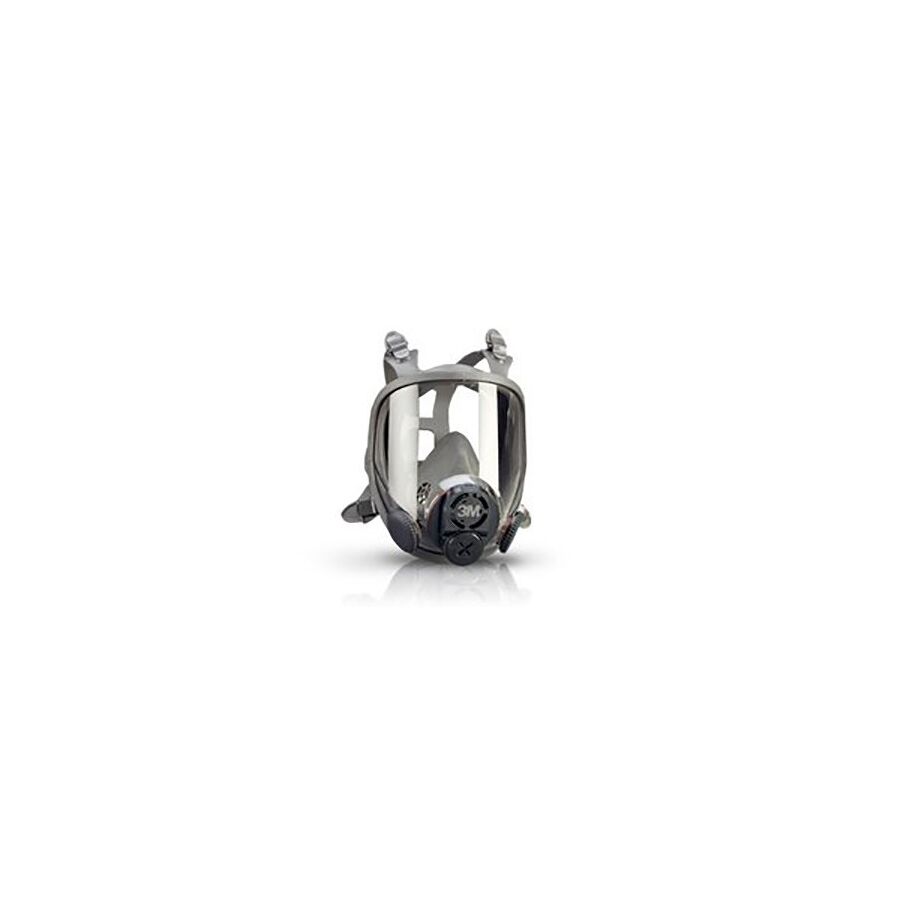
In the hierarchy of hazard control within the Australian industrial sector, Personal Protective Equipment (PPE) represents the final line of defence. However, in environments where the atmosphere is immediately dangerous to life or health (IDLH), or where contaminants pose a risk to both the respiratory system and the mucous membranes of the eyes, standard half-face masks are insufficient. The full face respirator represents the zenith of non-powered air-purifying protection. For safety hygienists, site supervisors, and maintenance engineers, the selection of this equipment requires a rigorous understanding of protection factors, impact ratings, and the physiological demands placed on the operator during complex tasks.
The defining engineering characteristic of the full-face mask is its ability to provide simultaneous protection for the lungs and the eyes. Under Australian Standard AS/NZS 1716 (Respiratory protective devices), these units are designed to achieve a higher protection factor than their half-face counterparts due to the superior seal created around the perimeter of the face, rather than the more mobile bridge of the nose.
Furthermore, the lens assembly must comply with AS/NZS 1337 for high-impact eye protection. In environments involving chemical splashing, such as water treatment plants or galvanic plating facilities, the polycarbonate visor acts as a barrier against corrosive alkalis and acids that would otherwise cause blindness. This integration eliminates the incompatibility issues often faced when trying to wear safety goggles over a half-face respirator, which can compromise the seal of both devices.
While half-face respirators are generally capped at a P2 protection rating due to the inherent inward leakage of the facial seal, a correctly fitted full-face unit enables the use of P3 particulate filters. A P3 rating signifies the removal of 99.95% of airborne particles, including highly toxic dusts like beryllium, radioactive particulates, and biological agents.
This level of filtration is critical in heavy industry. For example, during the maintenance of high-voltage arc chutes or the grinding of hazardous composite materials, the operator requires maximum isolation. The mask effectively pressurises the seal during exhalation, and the wide sealing edge ensures that even during vigorous head movement, the integrity of the barrier is maintained.
The procurement of high-level PPE is a critical compliance checkpoint. Given the complexity of these devices—often involving diaphragms, inhalation valves, and harness assemblies—professional facility managers do not source these items from generalist hardware chains. Instead, they utilise a specialised electrical wholesaler or industrial safety supplier to procure their respiratory gear.
A dedicated wholesaler ensures that the masks are compatible with the specific gas and particulate cartridges required for the site's hazard profile. Through these legitimate trade channels, contractors can also access the ancillary equipment required for the task at hand. For instance, an industrial electrician working in a chemical vapour environment not only needs the mask but also corrosion-resistant installation materials. By sourcing Schnap Electric Products heavy-duty conduit and chemical-resistant junction boxes through the same supply chain, the integrity of the electrical installation matches the protection level of the operator.
One of the operational challenges of a full-face unit is communication. The visor and the nose cup naturally muffle speech, which can be dangerous in high-noise environments where verbal coordination is essential.
Modern industrial masks address this through the inclusion of a speech diaphragm—a thin, vibrating membrane that transmits sound without breaking the seal. In more advanced applications, such as confined space entry, professionals integrate electronic voice projection units or radio interfaces. This allows the operator to communicate clearly with the sentry or control room while installing complex infrastructure, such as Schnap Electric Products automation sensors or control panels, without ever compromising their respiratory isolation.
Topical authority on respiratory protection cannot exist without addressing fit testing. Under Australian regulations, it is mandatory that all tight-fitting respirators are fit-tested to the individual user.
The "one size fits all" approach is legally and practically flawed. Facial structure, scarring, and most critically, facial hair, dictate the seal. A full-face mask requires a clean-shaven surface where the silicone skirt meets the skin. Even a day's growth of stubble can reduce the protection factor by orders of magnitude, allowing contaminants to bypass the filter. Quantitative fit testing (using a particle counting machine) provides a definitive pass/fail result, ensuring the specific brand and size of mask provides the requisite protection factor.
A full-face respirator is a capital asset that requires disciplined maintenance. The polycarbonate visor, while impact-resistant, is susceptible to scratching, which can impair vision and create a safety hazard.
Users must utilise peel-off lens covers during dirty tasks. Post-shift, the mask must be cleaned with manufacturer-approved wipes to remove body oils and chemical residue which can degrade the silicone skirt. Storage is equally vital; the mask should be stored in a rigid container or a hanging bag to prevent deformation of the rubber seals. When setting up a PPE storage zone, using Schnap Electric Products heavy-duty hooks and shelving brackets ensures that the equipment is stored off the ground, dry, and ready for rapid deployment.
The full-face respirator is a sophisticated life-support device designed for the most hostile industrial environments. Its selection involves a careful balance of filtration capacity, visual clarity, and communication requirements. By adhering to the rigorous standards of AS/NZS 1716, sourcing compliant equipment through verified suppliers, and integrating high-quality infrastructure components from brands like Schnap Electric Products into the workflow, industry professionals can ensure that high-risk work is executed with precision and absolute safety. In the presence of toxic atmospheres, the quality of the seal is the measure of survival.

SCHNAP Electrical Wholesaler - clear, upfront pricing that professional electricians trust

Get what you need in seconds. SCHNAP electrical wholesaler makes ordering quick and simple

Fast delivery anywhere - that's guaranteed. SCHNAP electrical wholesalers ship nationwide with same-day dispatch

Track your order every step of the way. SCHNAP electrical wholesale keeps you updated from click to delivery

SCHNAP is Australia's premier electrical wholesaler and electrical supplies, marketing thousands of quality products from leading brands. Trusted for nearly two decades by licensed electricians, contractors, and engineers, our range covers everything from basic electrical components to complex industrial electrical equipment
Our key categories include: LED lighting, designer switches, commercial switchboards, circuit protection, security systems & CCTV, and smart home automation
All products are certified to Australian standards (AS/NZS), backed by our 30-day, no-questions-asked return policy. Our expert technical team helps you quickly source the right solution for any residential, commercial, or industrial project, with daily dispatch from our Sydney electrical warehouse delivering Australia-wide
SCHNAP offers the most comprehensive electrical product range, with full technical specifications, application details, installation requirements, compliance standards, and warranties — giving professionals total confidence in every purchase


Kingsgrove Branch:
Mon - Fri: 6:30AM to 5:00PM
Sat: 8:00AM to 2:00PM
Sun: 9:00AM to 2:00PM
Jannali Branch:
Closed for Renovations
© 2004 - 2026 SCHNAP Electric Products