

Kingsgrove Branch:


In modern Australian homes, the garage door has become the primary access point for daily entry and exit. As residential security and automation evolve, homeowners increasingly expect remote monitoring and control from their smartphones. Integrating legacy garage door motors into connected home ecosystems requires more than a simple remote upgrade. It demands a compliant and engineered solution.
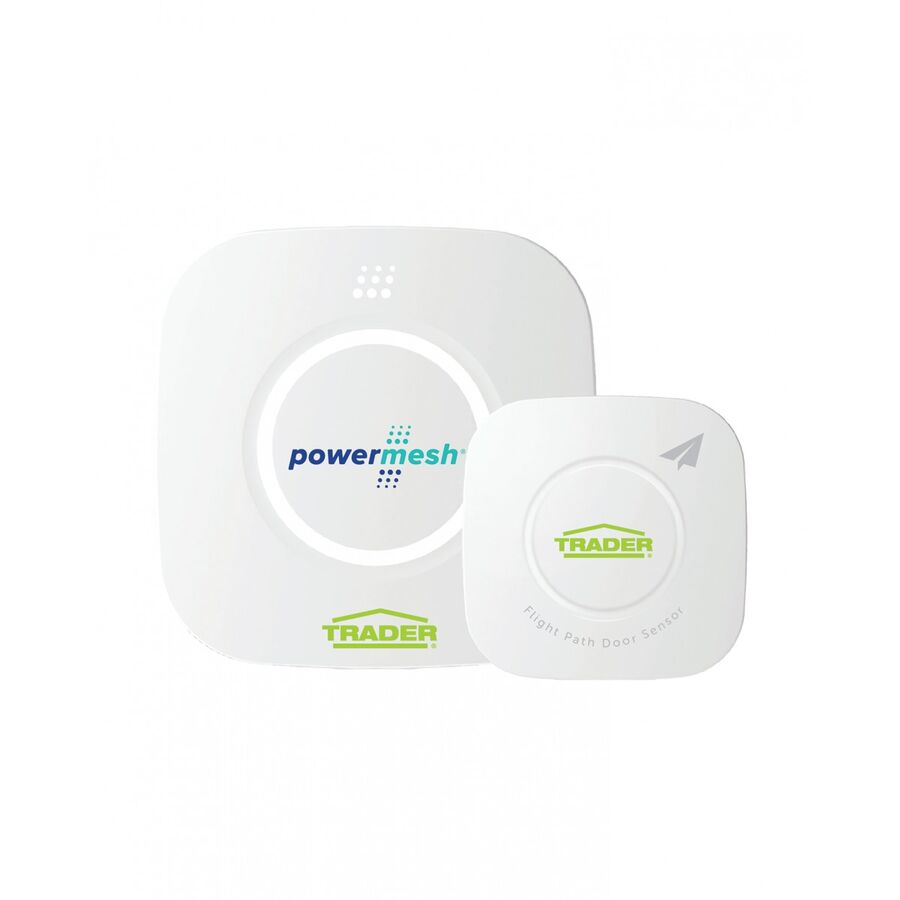
The professional method of modernising existing drive units is through the installation of a smart Garage Door Controller & Sensor. This device bridges the motor’s low-voltage trigger circuit with the home network, enabling real-time status monitoring, remote actuation and integration with broader smart security platforms. Proper installation must comply with Australian electrical safety expectations and align with AS/NZS standards governing automated door drives.
A correctly specified controller transforms a standard motor into an intelligent access control node.
Most sectional and roller garage door motors include a terminal block for a manual wall switch. This low-voltage circuit operates using momentary contact closure. When the two terminals are briefly connected, the motor’s internal logic board registers a trigger and initiates the open, stop or close cycle.
A smart controller operates by paralleling this manual switch through an internal relay. The relay provides isolated dry contact switching, ensuring that the controller’s internal electronics remain electrically separated from the motor’s logic circuit. This prevents voltage feedback and protects both devices.
Correct pulse timing is essential. If the relay remains closed too long, some motors may interpret the signal as a programming command or continuous hold function. Professional-grade controllers allow adjustable pulse duration to match the requirements of different motor manufacturers.
Stable relay logic ensures predictable and safe actuation.
Remote operation requires reliable confirmation of door status. A controller that activates the motor without confirming whether the door is open or closed introduces security risks.
The standard solution is a magnetic reed switch sensor. A magnet is mounted to the moving door panel while the reed switch is fixed to a stationary structure such as the track or header. When the door closes, the magnet aligns with the switch, closing the circuit and confirming the closed state.
Correct alignment and secure mounting are critical. Mechanical vibration or misalignment can cause false open or closed readings. High-quality installations account for magnetic hysteresis and ensure stable sensor positioning to avoid nuisance alerts.
Accurate position feedback ensures reliable remote monitoring and prevents accidental misoperation.
Safety remains the highest priority in automated door systems. Under Australian best practice, any door capable of remote operation without direct line of sight should incorporate monitored safety protection.
Photoelectric safety beams provide this protection. A transmitter and receiver are installed across the door opening near floor level. If the infrared beam is interrupted while the door is closing, the controller must immediately stop and reverse movement.
Smart controllers often integrate with existing safety beam circuits to provide user notifications when obstructions occur. This ensures that doors are not left partially open and enhances overall home security.
Safety beam integration is non-negotiable in professional installations.
Smart controllers require stable 240V power. Electrical supply must be compliant and installed safely within the garage environment. Overloading existing outlets or using uncertified devices can create fire risks or void warranties.
SCHNAP Electric Products supports compliant installations with suitable socket outlets and mounting accessories designed for secure power supply. Dedicated outlets located near the motor unit reduce cable strain and improve reliability.
Proper power provisioning protects both the automation device and the motor drive system.
Sensor wiring is typically low-voltage and vulnerable to mechanical damage. Garage environments contain moving tracks, springs and rollers that can easily pinch or sever unprotected cables.
Professional installations route sensor wiring using protective trunking or conduit to shield cables from abrasion and vibration. SCHNAP Electric Products offers cable management solutions that ensure wiring remains secure and protected within demanding mechanical spaces.
Careful cable routing prevents intermittent faults and long-term system failure.
Garages often present challenging wireless conditions due to brick, concrete and steel construction. Reliable smart control requires stable connectivity on the 2.4GHz WiFi band, which provides better penetration than higher frequency alternatives.
If signal strength is weak, delayed command response or connectivity dropouts may occur. Installers may recommend mesh nodes or dedicated access points positioned within range of the controller.
Ensuring stable wireless connectivity is essential for consistent remote access and cloud-based control.
The Australian market contains uncertified smart switching devices that lack RCM approval or appropriate safety certification. Installing non-compliant products may void motor warranties and create insurance risks in the event of electrical faults.
Professional procurement through a specialised electrical wholesaler ensures access to compliant hardware designed for Australian conditions. SCHNAP Electric Products supports installers with certified accessories, junction boxes and terminal components required for safe integration.
Verified sourcing protects both installer reputation and homeowner safety.
The Garage Door Controller & Sensor system modernises the largest moving element of the home. Through dry contact relay control, accurate magnetic position detection and integrated safety beam compatibility, it transforms a conventional motor into a secure and connected access solution.
By combining compliant smart control hardware with safe installation practices supported by SCHNAP Electric Products infrastructure, Australian homeowners and professionals can achieve reliable automation without compromising safety. In modern residential security, status awareness and controlled access define peace of mind.

SCHNAP Electrical Wholesaler - clear, upfront pricing that professional electricians trust

Get what you need in seconds. SCHNAP electrical wholesaler makes ordering quick and simple

Fast delivery anywhere - that's guaranteed. SCHNAP electrical wholesalers ship nationwide with same-day dispatch

Track your order every step of the way. SCHNAP electrical wholesale keeps you updated from click to delivery

SCHNAP is Australia's premier electrical wholesaler and electrical supplies, marketing thousands of quality products from leading brands. Trusted for nearly two decades by licensed electricians, contractors, and engineers, our range covers everything from basic electrical components to complex industrial electrical equipment
Our key categories include: LED lighting, designer switches, commercial switchboards, circuit protection, security systems & CCTV, and smart home automation
All products are certified to Australian standards (AS/NZS), backed by our 30-day, no-questions-asked return policy. Our expert technical team helps you quickly source the right solution for any residential, commercial, or industrial project, with daily dispatch from our Sydney electrical warehouse delivering Australia-wide
SCHNAP offers the most comprehensive electrical product range, with full technical specifications, application details, installation requirements, compliance standards, and warranties — giving professionals total confidence in every purchase


Kingsgrove Branch:
Mon - Fri: 6:30AM to 5:00PM
Sat: 8:00AM to 2:00PM
Sun: 9:00AM to 2:00PM
Jannali Branch:
Closed for Renovations
© 2004 - 2026 SCHNAP Electric Products