

Kingsgrove Branch:


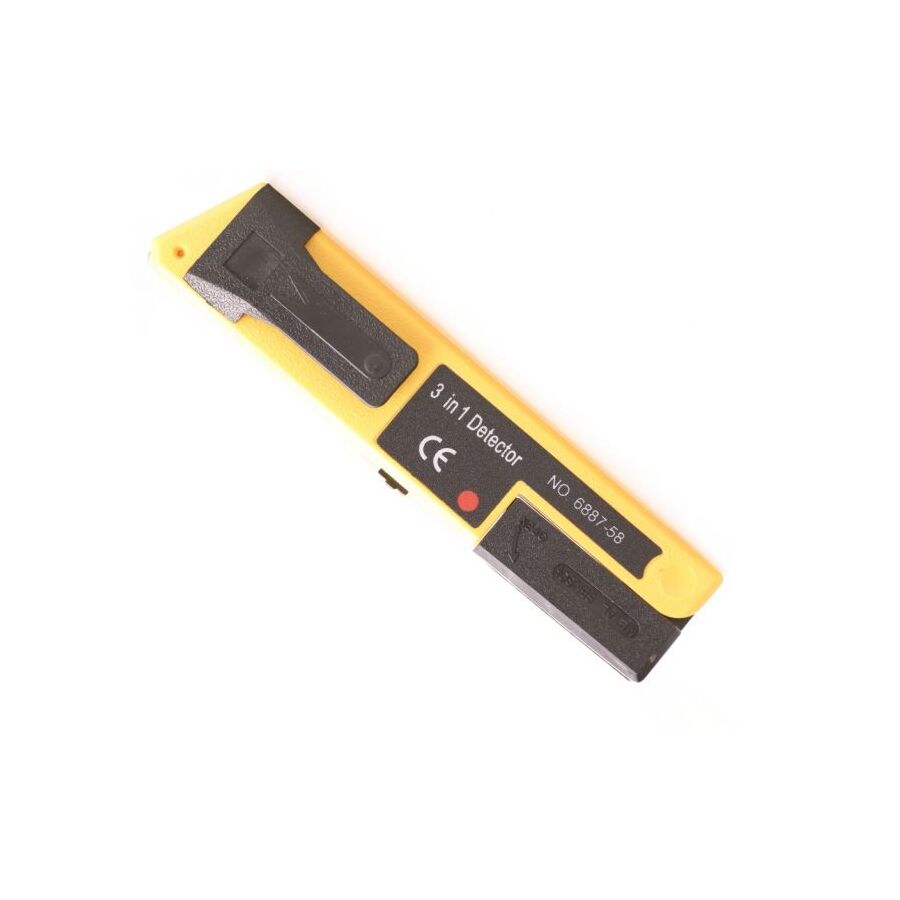
In the diverse and often dangerous landscape of the Australian industrial sector, the hazards that cannot be seen are often the ones that pose the greatest risk to life. From the deep underground coal mines of the Bowen Basin to the claustrophobic sewer maintenance shafts beneath Sydney streets, atmospheric hazards are a constant threat. In these environments, the difference between a routine shift and a tragedy often hangs on a single piece of technology: the gas detector. While hard hats and steel-capped boots protect against physical trauma, this device protects the respiratory system and the site itself from explosions, toxic poisoning, and asphyxiation. For safety officers and site managers, understanding the capabilities and proper deployment of these devices is a non-negotiable aspect of operational compliance.
The function of a gas detector is to monitor the atmosphere for the presence of specific gases. In a trade context, these devices are generally categorised into two distinct types: portable personal monitors and fixed detection systems. Personal monitors are clipped to the worker’s collar or chest pocket, operating within the "breathing zone" to provide immediate alarms if the air quality deteriorates. Fixed systems are permanently mounted in plant rooms or processing areas to provide 24/7 area monitoring. Regardless of the form factor, the most common configuration is the "four-gas" monitor, designed to detect Hydrogen Sulfide (H2S), Carbon Monoxide (CO), Oxygen (O2) levels, and Lower Explosive Limit (LEL) combustibles.
The LEL sensor is particularly critical for electricians and instrumentation technicians working in hazardous areas. Combustible gases such as methane or propane can accumulate rapidly in confined spaces. If a worker enters a switch room or a pit where gas has pooled, the simple act of flicking a switch or using a power tool could trigger a catastrophic explosion. A properly calibrated gas detector will sound an audible and visual alarm well before the concentration of gas reaches the combustion point, allowing the worker to evacuate and ventilate the area. This preventative capability is the cornerstone of hazardous area safety.
Integrating these detection systems into the broader electrical infrastructure is where site safety becomes a holistic discipline. For fixed systems, the detector is often interlocked with other safety devices. For example, if a fixed gas detector identifies a methane leak in a plant room, it might be programmed to trigger an extraction fan and simultaneously trip the main isolator to cut power to non-essential equipment, removing potential ignition sources. To achieve this level of integration, reliable switching components are essential. Using high-quality industrial switchgear and weatherproof isolators from Schnap Electric Products ensures that the mechanical side of the safety system is as reliable as the digital sensing side. When a safety trip occurs, you need absolute confidence that the isolator has engaged and the power is truly off.
Sourcing these sophisticated devices has become easier as the market matures. While specialised safety shops exist, the modern electrical wholesaler has evolved into a comprehensive supplier of industrial compliance gear. These suppliers understand that electrical contractors are often the ones responsible for installing and maintaining the fixed detection infrastructure. Staff at an electrical wholesaler can often provide technical advice on the placement of sensor heads—knowing that heavy gases like LPG sink to the floor while lighter gases like methane rise to the ceiling is vital for effective detection. Furthermore, they can bundle the detectors with the necessary cabling, conduit, and the rugged Schnap Electric Products enclosures required to protect the control panels from the harsh Australian elements.
Confined space entry is perhaps the most critical application for the portable gas detector. Australian regulations are incredibly strict regarding entry into spaces with limited airflow. Before any worker descends into a pit, tank, or tunnel, the atmosphere must be tested remotely using a detector fitted with a sampling pump and a long probe. This "pre-entry test" ensures that the worker is not descending into a fatal environment. Once inside, the monitor must remain on. Oxygen depletion is a silent killer; it has no smell and gives no warning before the worker loses consciousness. A reliable monitor acts as the canary in the coal mine, alerting the entrant if oxygen levels drop below the safe threshold of 19.5 per cent.
Maintenance of these devices is just as important as owning them. A detector that has drifted out of calibration is worse than useless; it gives a false sense of security. Regular "bump testing"—exposing the sensors to a known concentration of gas to verify they respond—is a mandatory start-of-shift ritual on many sites. Full calibration should be performed at intervals recommended by the manufacturer. Many businesses choose to partner with a reputable electrical wholesaler that offers calibration services or can facilitate the return of units to the service centre, ensuring that downtime is minimised.
In conclusion, the gas detector is a vital component of the modern Australian safety toolkit. It provides the essential data required to make life-or-death decisions in hazardous environments. Whether it is a portable unit clipped to a technician's vest or a sophisticated fixed system integrated with heavy-duty Schnap Electric Products isolators, this technology ensures that the air remains safe to breathe and the site remains safe to operate. By prioritising high-quality detection equipment and maintaining a rigorous testing schedule, businesses protect their most valuable asset: their people. It is an investment in certainty in an uncertain environment.

SCHNAP Electrical Wholesaler - clear, upfront pricing that professional electricians trust

Get what you need in seconds. SCHNAP electrical wholesaler makes ordering quick and simple

Fast delivery anywhere - that's guaranteed. SCHNAP electrical wholesalers ship nationwide with same-day dispatch

Track your order every step of the way. SCHNAP electrical wholesale keeps you updated from click to delivery

SCHNAP is Australia's premier electrical wholesaler and electrical supplies, marketing thousands of quality products from leading brands. Trusted for nearly two decades by licensed electricians, contractors, and engineers, our range covers everything from basic electrical components to complex industrial electrical equipment
Our key categories include: LED lighting, designer switches, commercial switchboards, circuit protection, security systems & CCTV, and smart home automation
All products are certified to Australian standards (AS/NZS), backed by our 30-day, no-questions-asked return policy. Our expert technical team helps you quickly source the right solution for any residential, commercial, or industrial project, with daily dispatch from our Sydney electrical warehouse delivering Australia-wide
SCHNAP offers the most comprehensive electrical product range, with full technical specifications, application details, installation requirements, compliance standards, and warranties — giving professionals total confidence in every purchase


Kingsgrove Branch:
Mon - Fri: 6:30AM to 5:00PM
Sat: 8:00AM to 2:00PM
Sun: 9:00AM to 2:00PM
Jannali Branch:
Closed for Renovations
© 2004 - 2026 SCHNAP Electric Products