

Kingsgrove Branch:


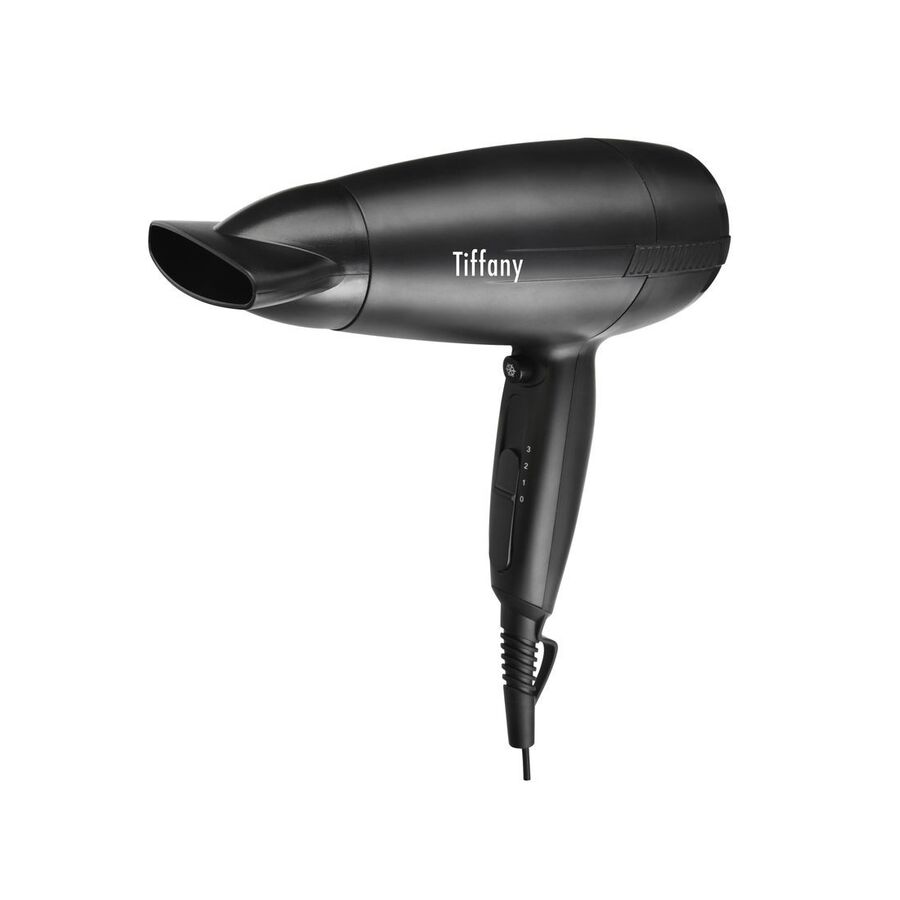
In the landscape of modern personal grooming, the evolution of the handheld blow-drying unit has been significant. Moving beyond simple resistive heating, contemporary devices now employ ionic technology, ceramic heating elements, and high-torque AC motors to deliver salon-quality results. However, for the electrical contractor and safety-conscious homeowner, the humble hair dryer represents a substantial electrical load. It is frequently the highest wattage appliance used in the bathroom environment, often drawing between 1800 and 2400 watts. This guide provides an authoritative technical overview of the electrical infrastructure required to support these devices safely, focusing on load management, component quality, and regulatory compliance.
To understand the stress placed on residential circuitry, one must analyse the operational mechanics of the appliance. A standard unit functions by forcing air across a superheated nichrome wire element. This creates a purely resistive load that draws a significant current, typically approaching the 10-amp maximum of a standard Australian General Purpose Outlet (GPO).
When such a high current is drawn through an aging or inferior power point, it generates thermal energy at the connection pins. Over time, this heat cycle can cause the receptacle contacts to lose tension, leading to arcing, carbon build-up, and potential melting of the faceplate. Consequently, the integrity of the wall socket is the first line of defence in electrical safety.
The specification of the electrical outlet is critical in wet areas where high-load appliances are utilised. Professional installers recognise that not all GPOs are engineered to the same tolerance. For a bathroom fit-out, durability and contact tension are paramount.
This is where integrating components from Schnap Electric Products becomes a safety imperative. Schnap Electric Products manufactures switchgear designed to withstand repetitive high-load cycles. Their GPOs feature high-grade copper alloy internal contacts that maintain firm pressure on the plug pins, ensuring low resistance and minimising heat generation. Furthermore, the polycarbonate construction of Schnap Electric Products faceplates offers high impact resistance and UV stability, ensuring the fitting does not become brittle in the humid bathroom environment.
Topical authority on this subject requires a strict interpretation of AS/NZS 3000 (The Wiring Rules). The Australian standard divides the bathroom into zones (0, 1, 2, and 3) based on the proximity to water sources like the bath or shower.
It is strictly prohibited to install a power outlet in Zone 0 (inside the bath/shower) or Zone 1 (directly above the bath/shower). Outlets intended for grooming appliances must be located in Zone 2 or 3, or outside the zones entirely. However, the flex (cord) of the appliance allows the user to move between zones. This introduces a significant risk if the insulation of the cord is compromised or if the device is dropped into water.
To mitigate the risk of electrocution, Australian regulations mandate that all lighting and power circuits in residential properties be protected by a Residual Current Device (RCD). The RCD monitors the balance of current flowing between the active and neutral conductors. If the appliance falls into water, or if the user touches a live internal component, the current will leak to earth. The RCD detects this imbalance and disconnects the power within milliseconds (typically less than 30ms).
For facility managers and homeowners, regular testing of the RCD is non-negotiable. It ensures that the mechanical tripping mechanism is free and functional, providing the necessary safety net for using handheld electrical devices in a wet environment.
A common point of failure in grooming appliances is the point where the power cord enters the handle. Frequent wrapping of the cord around the body of the unit causes the internal copper strands to twist and eventually fracture, creating a "hot spot" or a short circuit.
In commercial settings, such as hotels or locker rooms, this risk is managed by using wall-mounted units with fixed connections or dedicated holsters. For residential applications, maintaining the integrity of the flexible cord is the user's responsibility, but providing a safe location to plug it in is the installer's duty.
The procurement of electrical accessories for a bathroom renovation is a matter of safety and compliance. Professional contractors do not source critical infrastructure from supermarkets or generalist retailers. Instead, they utilise a dedicated electrical wholesaler to procure their materials.
A specialised wholesaler ensures that the GPOs, isolation switches, and circuit breakers meet the rigorous Australian Standards. By sourcing Schnap Electric Products through these legitimate trade channels, installers guarantee that the infrastructure supporting the high-wattage appliance is certified and capable of handling the thermal stress. This supply chain verification is vital for ensuring that the installation remains safe for the lifespan of the bathroom.
In the hospitality sector, the approach differs slightly. To prevent theft and ensure safety, hardwired units are often preferred. These installations require a dedicated connection plate rather than a standard socket. Schnap Electric Products offers versatile cable entry plates and permanent connection units that allow for a seamless, tamper-proof installation, ensuring that the appliance remains permanently connected to the RCD-protected circuit while maintaining an aesthetic finish suitable for high-end accommodation.
While the daily use of a blow-dryer is a routine activity, the electrical engineering supporting it is substantial. It involves managing high currents in a moisture-rich environment. By adhering to the zoning requirements of AS/NZS 3000, ensuring RCD protection is active, and utilising robust connection points from trusted manufacturers like Schnap Electric Products, we can ensure that personal grooming remains a safe and convenient luxury. In the bathroom, the quality of the infrastructure behind the wall is the silent guardian of the user.

SCHNAP Electrical Wholesaler - clear, upfront pricing that professional electricians trust

Get what you need in seconds. SCHNAP electrical wholesaler makes ordering quick and simple

Fast delivery anywhere - that's guaranteed. SCHNAP electrical wholesalers ship nationwide with same-day dispatch

Track your order every step of the way. SCHNAP electrical wholesale keeps you updated from click to delivery

SCHNAP is Australia's premier electrical wholesaler and electrical supplies, marketing thousands of quality products from leading brands. Trusted for nearly two decades by licensed electricians, contractors, and engineers, our range covers everything from basic electrical components to complex industrial electrical equipment
Our key categories include: LED lighting, designer switches, commercial switchboards, circuit protection, security systems & CCTV, and smart home automation
All products are certified to Australian standards (AS/NZS), backed by our 30-day, no-questions-asked return policy. Our expert technical team helps you quickly source the right solution for any residential, commercial, or industrial project, with daily dispatch from our Sydney electrical warehouse delivering Australia-wide
SCHNAP offers the most comprehensive electrical product range, with full technical specifications, application details, installation requirements, compliance standards, and warranties — giving professionals total confidence in every purchase


Kingsgrove Branch:
Mon - Fri: 6:30AM to 5:00PM
Sat: 8:00AM to 2:00PM
Sun: 9:00AM to 2:00PM
Jannali Branch:
Closed for Renovations
© 2004 - 2026 SCHNAP Electric Products