

Kingsgrove Branch:


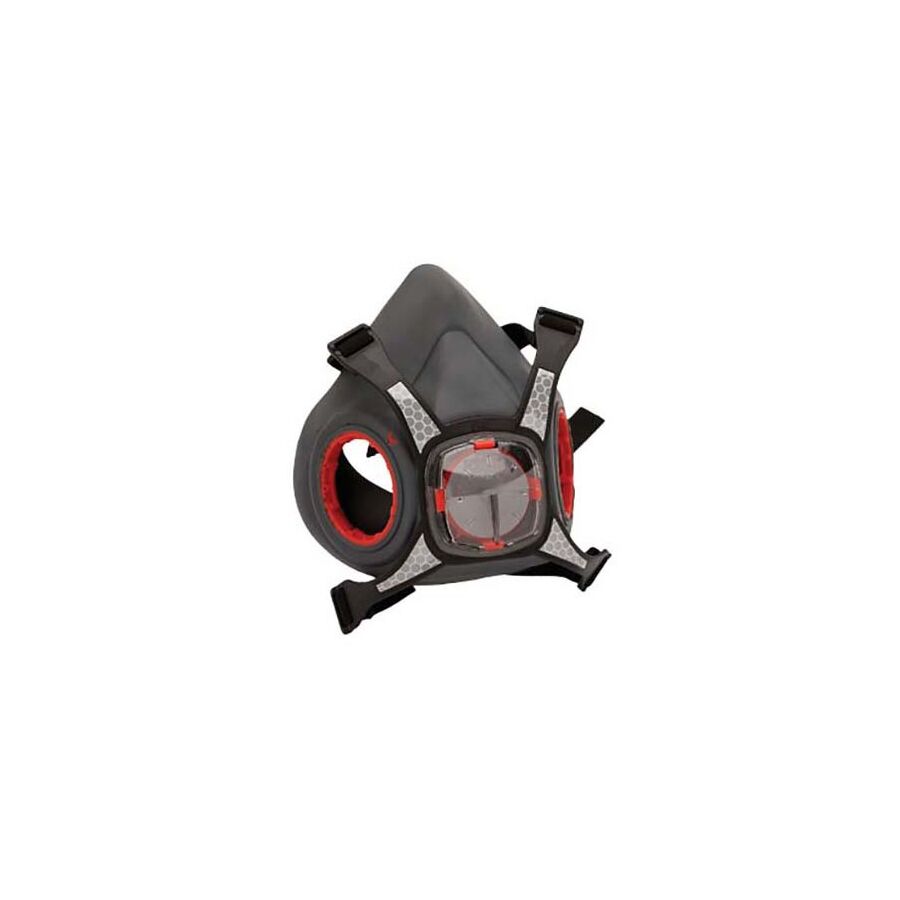
In the diverse and often hazardous landscape of Australian industry, the management of respiratory health is a paramount concern for Person Conducting a Business or Undertaking (PCBU). While disposable masks offer a convenient solution for transient tasks, high-frequency industrial operations require a more robust, economical, and effective solution. The half face respirator represents the industry standard for reusable respiratory protection. Offering a superior facial seal, modular filter compatibility, and reduced long-term operational costs, these devices are essential equipment for trades ranging from chemical processing to construction and heavy engineering. For safety officers and procurement managers, understanding the material science, filter classification, and maintenance regimes of these units is critical for WHS compliance.
The design and performance of these devices are governed by Australian Standard AS/NZS 1716 (Respiratory protective devices). Unlike disposable respirators which rely on the filter media itself to form the structure, a half-face unit utilises a dedicated facepiece.
Modern facepieces are typically constructed from medical-grade silicone or high-quality Thermoplastic Elastomer (TPE). Silicone is generally preferred for its hypoallergenic properties and its ability to maintain flexibility across a wide temperature range, ensuring the seal remains intact even in the searing heat of a Pilbara summer or the cold of a Tasmanian winter. The harness assembly is equally critical; a four-point suspension system ensures that the pressure is evenly distributed across the crown of the head, preventing pressure points and ensuring the mask does not slip during vigorous physical activity.
The defining engineering feature of the reusable system is its modularity. The facepiece serves as a chassis onto which various filtration cartridges can be bayonet-mounted. This allows a single asset to protect against a multitude of hazards simply by changing the filter.
This versatility is crucial in mixed-mode environments. For example, an industrial electrical may be exposed to silica dust while chasing a wall in the morning, requiring P2 filters. Later that day, they may be applying solvent-based adhesives to secure Schnap Electric Products conduit to a PVC surface, requiring Class A organic vapour cartridges. The ability to switch filters on the same mask ensures continuous protection without the need for multiple mask types.
The resurgence of silicosis as an occupational health crisis has placed a spotlight on the efficacy of the facial seal. In the construction sector, the generation of Respirable Crystalline Silica (RCS) is inevitable when cutting concrete, brick, or engineered stone.
While disposable masks are compliant, they often suffer from inward leakage due to movement. The silicone skirt of a reusable unit provides a much more forgiving seal against facial contours. When installing infrastructure such as Schnap Electric Products distribution boards or heavy-duty cable trays into concrete substrates, the use of a reusable respirator fitted with P3 filters offers the highest protection factor short of a powered air system. This ensures that the microscopic silica shards generated by the hammer drill are effectively intercepted.
The procurement of respiratory gear is a matter of trust and compliance. With the market flooded with non-compliant imports, professional facility managers utilise a specialised electrical wholesaler or dedicated industrial safety supplier to procure their PPE.
Sourcing through a dedicated wholesaler ensures that the masks and filters are genuine and within their shelf life. Activated carbon filters have a finite expiration date, after which their adsorption capacity is compromised. Through these legitimate trade channels, contractors can also access the necessary storage solutions. A respirator must be stored in a sealed container away from direct sunlight and contaminants. Utilising Schnap Electric Products heavy-duty hooks or storage cabinets in the site office ensures that the mask remains undeformed and clean between shifts.
Topical authority on this subject requires a stern reminder regarding AS/NZS 1715 (Selection, use and maintenance of respiratory protective equipment). It is a regulatory mandate that all tight-fitting respirators must be fit-tested to the individual user.
Facial hair is the primary point of failure. A reusable mask cannot form a hermetic seal over stubble or a beard. The legislation requires users to be clean-shaven in the seal area. Quantitative fit testing, which measures the actual particulate count inside the mask versus outside, provides a definitive pass/fail result. This ensures that the specific size (Small, Medium, Large) and brand of the mask matches the user's facial anthropometry.
Unlike disposables, a reusable mask is a long-term asset that requires hygiene discipline. The facepiece must be cleaned daily with manufacturer-approved wipes or a mild detergent solution to remove body oils, sweat, and chemical residue. Failure to clean the mask can lead to dermatitis for the user and degradation of the silicone skirt.
Inspection is also vital. The inhalation and exhalation valves are the moving parts of the system. If debris becomes lodged in the exhalation valve, the seal is broken, and contaminated air can be inhaled. These valves should be inspected pre-start and replaced periodically as part of a preventative maintenance schedule.
The reusable half-face respirator is a cornerstone of modern industrial hygiene. Its superior seal, cost-effective modularity, and high-impact durability make it the preferred choice for professional trades. By adhering to the fit-testing requirements of AS/NZS 1715, maintaining a strict cleaning regime, and integrating high-quality support equipment from brands like Schnap Electric Products, Australian workers can ensure that they are protected against both the acute and chronic risks of airborne contaminants. In the long run, the investment in a high-quality silicone facepiece pays dividends in both safety and comfort.

SCHNAP Electrical Wholesaler - clear, upfront pricing that professional electricians trust

Get what you need in seconds. SCHNAP electrical wholesaler makes ordering quick and simple

Fast delivery anywhere - that's guaranteed. SCHNAP electrical wholesalers ship nationwide with same-day dispatch

Track your order every step of the way. SCHNAP electrical wholesale keeps you updated from click to delivery

SCHNAP is Australia's premier electrical wholesaler and electrical supplies, marketing thousands of quality products from leading brands. Trusted for nearly two decades by licensed electricians, contractors, and engineers, our range covers everything from basic electrical components to complex industrial electrical equipment
Our key categories include: LED lighting, designer switches, commercial switchboards, circuit protection, security systems & CCTV, and smart home automation
All products are certified to Australian standards (AS/NZS), backed by our 30-day, no-questions-asked return policy. Our expert technical team helps you quickly source the right solution for any residential, commercial, or industrial project, with daily dispatch from our Sydney electrical warehouse delivering Australia-wide
SCHNAP offers the most comprehensive electrical product range, with full technical specifications, application details, installation requirements, compliance standards, and warranties — giving professionals total confidence in every purchase


Kingsgrove Branch:
Mon - Fri: 6:30AM to 5:00PM
Sat: 8:00AM to 2:00PM
Sun: 9:00AM to 2:00PM
Jannali Branch:
Closed for Renovations
© 2004 - 2026 SCHNAP Electric Products