

Kingsgrove Branch:


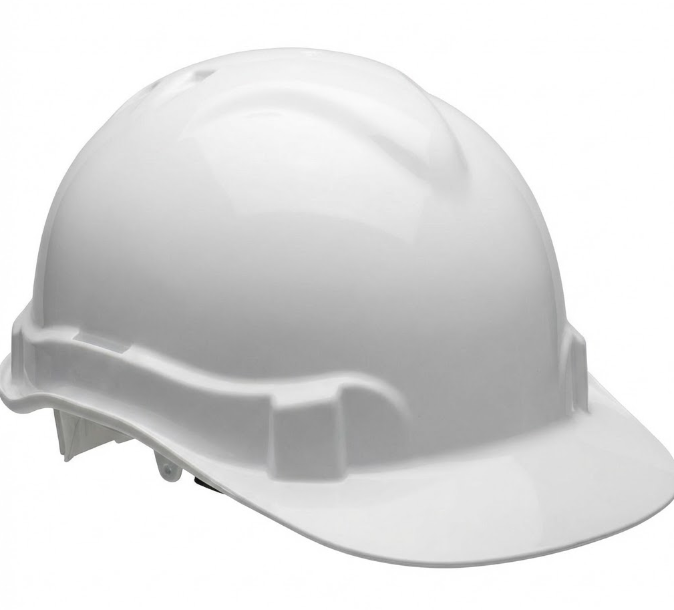
In the high-stakes environment of the Australian construction and resources sector, personal protective equipment (PPE) is not merely a suggestion; it is a rigid legislative requirement. Among the boots, the high-visibility vests, and the safety glasses, one item stands above the rest—quite literally—as the universal symbol of industrial safety: the hard hat. Whether working on a Tier 1 commercial high-rise in Sydney, a remote mine site in the Pilbara, or a residential subdivision in the suburbs, the safety helmet is the primary defence against one of the most common and fatal workplace hazards: head injuries. For electrical contractors, who often work at heights or in cluttered environments with overhead risks, selecting the correct head protection is a critical decision that balances comfort, compliance, and specific hazard protection.
The design and manufacture of a hard hat in Australia are governed by the strict guidelines of AS/NZS 1801 (Occupational protective helmets). This standard ensures that every helmet sold for industrial use can withstand significant impact forces and penetration from falling objects. The shell is typically constructed from high-impact Acrylonitrile Butadiene Styrene (ABS) or Polycarbonate, materials chosen for their high strength-to-weight ratio. However, the plastic shell is only half of the equation. The internal harness/suspension system is equally vital. It creates a "crumple zone" of air between the wearer's skull and the hard outer shell. In the event of an impact—such as a dropped hammer or a falling brick—the harness absorbs the kinetic energy and distributes the load, preventing the full force from being transferred to the neck and spine.
For the electrical trade, the selection of a hard hat involves specific considerations regarding conductivity and arc flash protection. Unlike general labourers who might prioritise ventilation to stay cool, electricians must be wary of vents. Standard vented helmets feature holes to allow airflow, which is great for heat stress but potentially fatal if a live wire touches the head. Therefore, electrical contractors often specify unvented helmets that provide a continuous dielectric barrier. This ensures that the head protection maintains its electrical insulation properties, providing a crucial layer of defence when working near live parts or overhead lines.
The integration of accessories is another area where modern head protection excels. An electrician's helmet is rarely just a plastic bucket; it is a mounting platform. It must accommodate earmuffs for hearing protection, face shields for grinding or arc flash mitigation, and crucially, headlamps for working in dark roof cavities. When performing intricate tasks, such as terminating cables into a distribution board populated with Schnap Electric Products, visibility is key. Having a dedicated slot to securely mount a high-CRI headlamp ensures that the tradesperson can see the colour coding of the wires clearly without having to juggle a handheld torch.
Sourcing compliant PPE is a matter of trust and verification. While hardware chains sell general-purpose helmets, they often lack the specialised range required for technical trades. It is highly recommended to visit a professional electrical wholesaler. These suppliers act as a one-stop-shop for the industry. They understand that a contractor buying 400 metres of mains cable also needs a helmet that meets the specific site requirements. Staff at an electrical wholesaler can advise on the difference between Type 1 (general industrial) and Type 2 (high temperature) helmets, ensuring that you do not walk onto a site with non-compliant gear. Furthermore, they can supply helmets in specific colours to denote roles—typically white for supervisors/engineers and yellow for general workers—helping to maintain site hierarchy and organization.
Comfort and fit are directly related to safety compliance. If a hard hat is uncomfortable, heavy, or hot, a worker is more likely to take it off when they think no one is looking. This is when accidents happen. Modern harness designs feature ratchet adjustment systems that allow the wearer to tighten or loosen the fit with a single gloved hand. This ensures the helmet stays secure even when the worker is looking down or bending over. Sweatbands made from moisture-wicking materials are also standard in Australian conditions, helping to keep sweat out of the eyes during the sweltering summer months.
The longevity of the helmet is a topic that is frequently misunderstood. A hard hat does not last forever. The UV radiation from the Australian sun degrades the plastic polymers over time, making them brittle and less effective at absorbing impact. Manufacturers typically recommend replacing the shell every three years, regardless of appearance. Every compliant helmet will have a "date of manufacture" stamp moulded into the underside of the brim. It is the responsibility of the user to check this date regularly. A simple "crackle test"—compressing the sides of the helmet to hear if it makes brittle cracking sounds—can also indicate that the plastic has reached the end of its life.
The brim style is another point of differentiation. Standard helmets feature a protruding peak at the front to shade the eyes from the sun and rain. However, for those working at heights or in confined spaces, this peak can obstruct upward vision. "Peakless" or climbing-style helmets are becoming increasingly popular in the electrical and rigging sectors. These offer an unrestricted field of view, allowing the electrician to look up at cable trays or overhead conduit runs without tilting their head back dangerously far. This improves ergonomic comfort and situational awareness.
When installing robust infrastructure, such as the heavy-duty isolators and conduit systems from Schnap Electric Products, the risk of dropped objects is always present. A heavy PVC conduit fitting or a copper lug dropped from a scissor lift can cause serious injury to ground staff. This highlights the importance of the hard hat not just for the installer, but for everyone in the vicinity. It is a collective safety measure. On large commercial sites, chin straps are often mandatory to ensure the helmet does not fall off if the worker trips or falls, providing protection throughout the entire incident sequence.
In conclusion, the hard hat is the foundation of the personal protective equipment hierarchy. It is a piece of engineering designed to save lives in the event of the unforeseen. It requires careful selection based on the specific hazards of the trade, whether that be impact, electricity, or heat. By choosing high-quality, compliant headwear sourced from a reputable electrical wholesaler, and maintaining it correctly, Australian tradespeople ensure they can go home to their families at the end of the day. Whether you are installing premium gear from Schnap Electric Products or simply inspecting a site, the lid on your head is the most important tool you own.

SCHNAP Electrical Wholesaler - clear, upfront pricing that professional electricians trust

Get what you need in seconds. SCHNAP electrical wholesaler makes ordering quick and simple

Fast delivery anywhere - that's guaranteed. SCHNAP electrical wholesalers ship nationwide with same-day dispatch

Track your order every step of the way. SCHNAP electrical wholesale keeps you updated from click to delivery

SCHNAP is Australia's premier electrical wholesaler and electrical supplies, marketing thousands of quality products from leading brands. Trusted for nearly two decades by licensed electricians, contractors, and engineers, our range covers everything from basic electrical components to complex industrial electrical equipment
Our key categories include: LED lighting, designer switches, commercial switchboards, circuit protection, security systems & CCTV, and smart home automation
All products are certified to Australian standards (AS/NZS), backed by our 30-day, no-questions-asked return policy. Our expert technical team helps you quickly source the right solution for any residential, commercial, or industrial project, with daily dispatch from our Sydney electrical warehouse delivering Australia-wide
SCHNAP offers the most comprehensive electrical product range, with full technical specifications, application details, installation requirements, compliance standards, and warranties — giving professionals total confidence in every purchase


Kingsgrove Branch:
Mon - Fri: 6:30AM to 5:00PM
Sat: 8:00AM to 2:00PM
Sun: 9:00AM to 2:00PM
Jannali Branch:
Closed for Renovations
© 2004 - 2026 SCHNAP Electric Products