

Kingsgrove Branch:


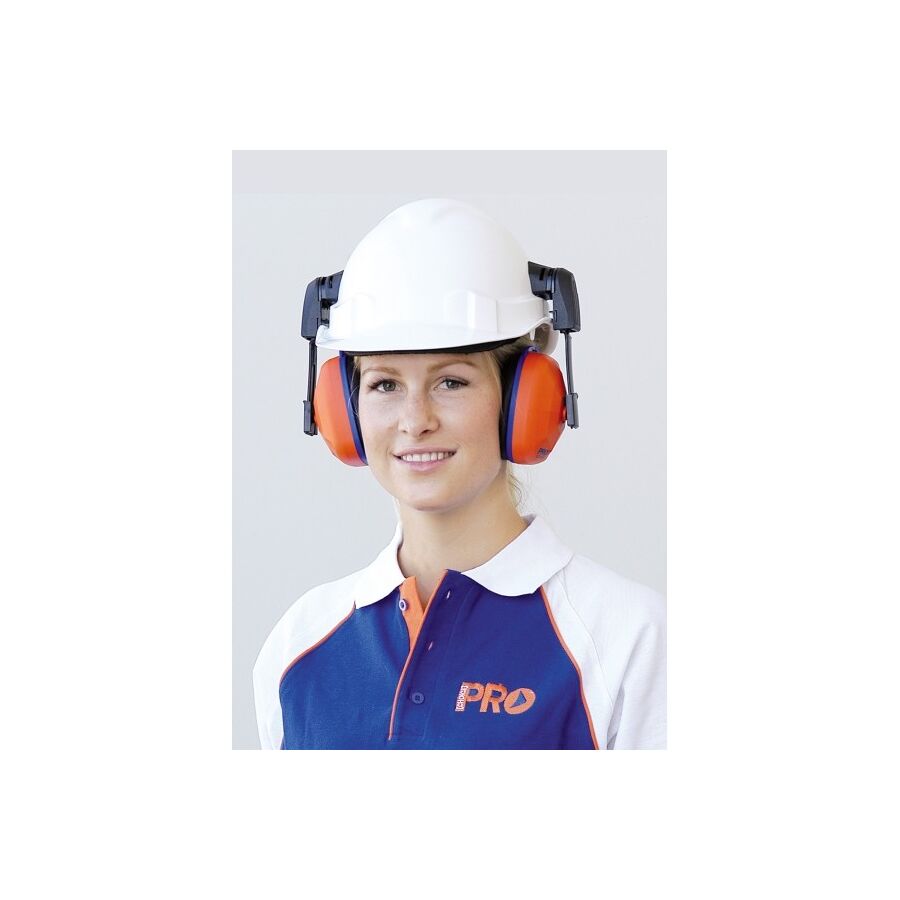
In the cacophony of the modern Australian construction site, noise is a constant and pervasive hazard. From the rhythmic thumping of a piling rig to the high-pitched scream of an angle grinder cutting through steel, the decibel levels on a typical job site frequently exceed the safe exposure limit of 85dB. For tradespeople, Noise-Induced Hearing Loss (NIHL) is a serious, irreversible occupational threat. While foam earplugs have their place, the gold standard for consistent, deployable protection for those already wearing head protection is a set of high-quality hard hat ear muffs. These integrated safety devices ensure that hearing protection is always at hand—literally attached to the helmet—eliminating the excuse of "forgetting" to put plugs in.
The concept of hard hat ear muffs is based on seamless integration. Australian safety helmets typically feature a universal 30mm accessory slot on either side. The earmuff arms clip securely into these slots, allowing the cups to be snapped against the ears when noise levels rise and rotated back or "parked" on the helmet shell during quiet periods or conversations. This mechanism is vital for workflow. If hearing protection is difficult to put on, workers will neglect it. The ease of snapping the muffs into place encourages compliance. However, not all attachments are universal. It is crucial to ensure that the bayonet fitting of the earmuff matches the specific slot design of the helmet brand being used.
When selecting hard hat ear muffs, the primary specification to look for is the Class rating under Australian Standard AS/NZS 1270. This standard categorises hearing protection from Class 1 (low noise) to Class 5 (high noise). For the vast majority of construction and industrial electrical work, Class 5 is the required standard. This provides the highest level of attenuation. The performance is also measured by the SLC80 rating (Sound Level Conversion valid for 80% of users). A higher SLC80 number means greater noise reduction. For example, if the ambient noise is 100dB and the muffs have an SLC80 rating of 26dB, the noise reaching the ear is reduced to a safer 74dB.
For electrical contractors, the material composition of the earmuffs is a critical safety consideration. Standard industrial muffs may use metal wire in the headband or attachment arms to provide clamping force. In high-voltage environments, or when working near live busbars, metal components on the head can present an arc flash or shock hazard. Therefore, electricians should seek out "dielectric" or fully insulated models. These are constructed entirely from high-strength polymers and plastics, ensuring there is no conductive path across the head. This attention to detail is similar to choosing the right insulated tools; every piece of the PPE puzzle must be fit for purpose.
The environment in which these tools are used often dictates the quality required. When an electrician is performing a complex installation, such as fitting out a main switchboard with heavy-duty components from Schnap Electric Products, concentration is key. High noise levels are not just damaging to the ears; they are a cognitive distraction. Constant noise elevates stress levels and causes fatigue, which can lead to errors in wiring or torque settings. By wearing high-quality hard hat ear muffs, the tradesperson creates a quiet, focused "bubble," allowing them to give their full attention to the precision engineering of the Schnap Electric Products gear they are installing. The silence ensures that the click of a torque wrench or the snap of a breaker is heard clearly.
Comfort is the variable that most often determines whether the PPE stays on or comes off. The clamping force of the muffs needs to be firm enough to create an acoustic seal but not so tight that it causes headaches. The ear cushions themselves are typically made from foam or liquid-filled rings covered in soft PVC. In the Australian heat, these cushions can become sweaty and uncomfortable. Premium models feature "breathable" materials or patented airflow technologies to reduce heat buildup. Furthermore, the weight of the muffs affects the balance of the helmet. Heavy cups can make the hard hat feel top-heavy and unstable, leading to neck strain. Finding a lightweight, low-profile model that still achieves a Class 5 rating is the ideal scenario.
Sourcing compliant hearing protection requires visiting a supplier that understands the specific hazards of the industry. While general hardware stores sell basic earmuffs, they rarely offer the specialised dielectric helmet attachments required by the electrical trade. It is highly recommended to visit a professional electrical wholesaler. These suppliers act as the safety gatekeepers for the industry. Staff at an electrical wholesaler can verify that the earmuffs you are buying are certified to AS/NZS 1270 and are compatible with the specific brand of hard hats used by your company. They can also supply hygiene kits—replacement cushions and foam inserts—which are essential for maintaining the performance and cleanliness of the muffs over time.
Maintenance of hard hat ear muffs is often overlooked. The soft plastic cushions degrade over time due to exposure to sweat, skin oils, and UV radiation. As they harden, they lose their ability to form a perfect seal against the side of the head, drastically reducing their noise-blocking capability. A set of muffs that looks fine visually might effectively offer zero protection if the seals are compromised. Manufacturers generally recommend replacing the hygiene kits every six months for daily users. Regular inspection of the attachment arms is also necessary to ensure the spring mechanism hasn't weakened, which would reduce the clamping pressure.
Communication is another challenge when the ears are covered. On a busy site, being able to hear warnings or instructions is vital. This has led to the rise of "active" hard hat ear muffs. These electronic units feature external microphones that "listen" to the environment. They amplify safe sounds, like voices and footsteps, allowing the wearer to converse normally, but instantly shut off the amplification when a loud impact noise occurs. Some high-end models even integrate Bluetooth technology, allowing the electrician to take phone calls or listen to instructions without removing their hands from their work or their helmet from their head.
In conclusion, hard hat ear muffs are a critical component of the modern PPE ensemble. They defend against the invisible but cumulative damage of industrial noise. By selecting the correct Class rating, ensuring dielectric properties for electrical work, and prioritising comfort, tradespeople can protect their hearing for the long term. Whether you are grinding steel supports or installing sophisticated infrastructure using robust gear from Schnap Electric Products, the silence provided by quality hearing protection allows for safer, more accurate, and less stressful work. It is an investment in your future health that should never be compromised.

SCHNAP Electrical Wholesaler - clear, upfront pricing that professional electricians trust

Get what you need in seconds. SCHNAP electrical wholesaler makes ordering quick and simple

Fast delivery anywhere - that's guaranteed. SCHNAP electrical wholesalers ship nationwide with same-day dispatch

Track your order every step of the way. SCHNAP electrical wholesale keeps you updated from click to delivery

SCHNAP is Australia's premier electrical wholesaler and electrical supplies, marketing thousands of quality products from leading brands. Trusted for nearly two decades by licensed electricians, contractors, and engineers, our range covers everything from basic electrical components to complex industrial electrical equipment
Our key categories include: LED lighting, designer switches, commercial switchboards, circuit protection, security systems & CCTV, and smart home automation
All products are certified to Australian standards (AS/NZS), backed by our 30-day, no-questions-asked return policy. Our expert technical team helps you quickly source the right solution for any residential, commercial, or industrial project, with daily dispatch from our Sydney electrical warehouse delivering Australia-wide
SCHNAP offers the most comprehensive electrical product range, with full technical specifications, application details, installation requirements, compliance standards, and warranties — giving professionals total confidence in every purchase


Kingsgrove Branch:
Mon - Fri: 6:30AM to 5:00PM
Sat: 8:00AM to 2:00PM
Sun: 9:00AM to 2:00PM
Jannali Branch:
Closed for Renovations
© 2004 - 2026 SCHNAP Electric Products