

Kingsgrove Branch:


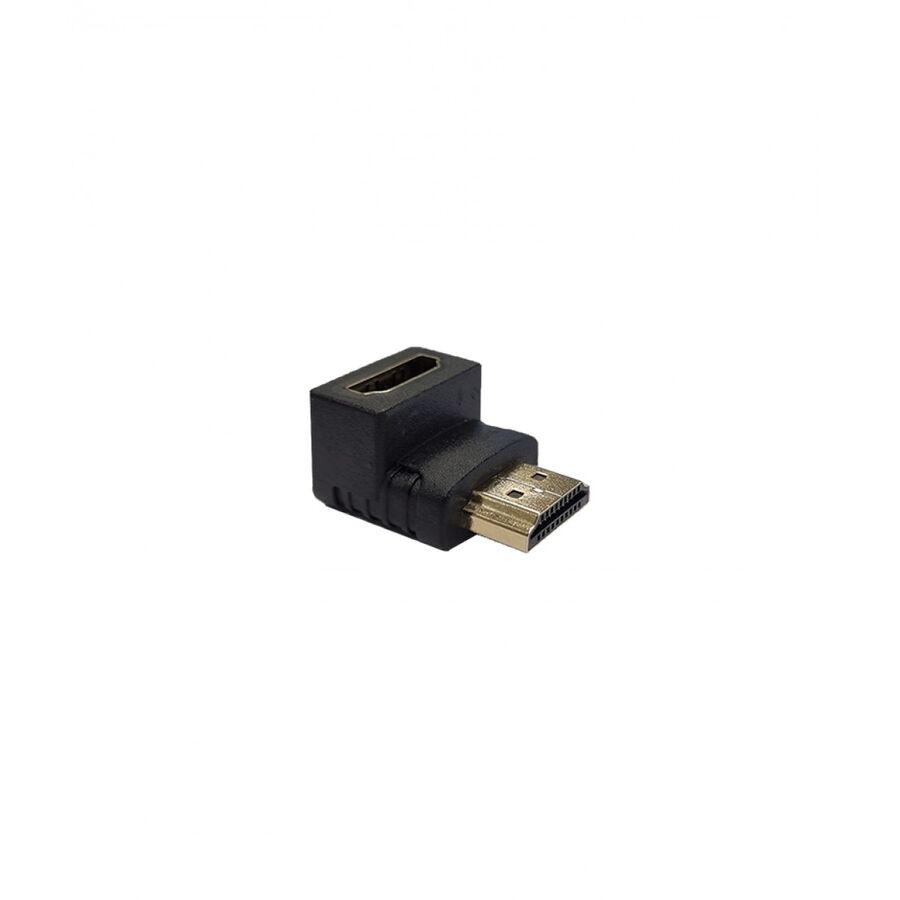
In the sophisticated landscape of Australian commercial audio-visual (AV) integration, the standardisation of digital display interfaces is a primary operational objective. However, the reality of the modern workspace is a heterogeneous mix of legacy hardware and cutting-edge display technology. The bridge between these disparate generations of equipment is the hdmi adaptor. Far from being a trivial accessory, this device is a critical node in the signal chain, responsible for the conversion, amplification, and handshake management of high-bandwidth digital data. For AV integrators, facility managers, and electrical contractors, a granular understanding of TMDS (Transition Minimized Differential Signaling) clocks, HDCP (High-bandwidth Digital Content Protection) compliance, and the distinction between active and passive conversion is essential for preventing signal latency and ensuring visual fidelity.
The fundamental performance metric of any adaptor is its bandwidth capacity. The High-Definition Multimedia Interface (HDMI) specification has evolved from version 1.4 (10.2 Gbps) to 2.1 (48 Gbps). When selecting an adaptor, the "bottleneck principle" applies: the system is only as fast as its slowest component.
An adaptor designed for HDMI 1.4 will technically transmit an image to a 4K display, but it is limited to a refresh rate of 30Hz. In a corporate boardroom or control room environment, 30Hz results in perceptible cursor lag and motion blur, which causes user fatigue. Professional specifications for Australian commercial fit-outs now demand HDMI 2.0 as a baseline, supporting 4K resolution at 60Hz. This requires the adaptor to handle a full 18 Gbps throughput. Whether converting from DisplayPort, USB-C, or Mini-HDMI, the internal chipset of the adaptor must support these data rates without introducing jitter or signal attenuation.
A critical technical distinction often overlooked during procurement is the difference between "active" and "passive" adaptors.
In legacy retrofits where older projectors must connect to modern laptops, an active adaptor is mandatory. The chipset regenerates the timing signals. When integrating these devices into a permanent installation, professionals often utilise Schnap Electric Products cable management accessories to secure the heavier active adaptor housings, preventing strain on the port.
The most common failure mode in digital video is the "black screen" or "no signal" error. This is frequently a failure of the Extended Display Identification Data (EDID) handshake. When a source connects to a sink (display), they exchange data to agree on resolution and timing.
Low-quality adaptors often strip or corrupt this EDID data, causing the source to default to a safe, low-resolution mode (e.g., 640x480). Industrial-grade adaptors feature EDID pass-through capability, ensuring that the source device correctly identifies the native resolution of the display. This "plug-and-play" reliability is crucial in hot-desking environments where multiple users connect different devices daily.
The physical construction of the adaptor dictates its longevity. In high-traffic environments, the connectors are subjected to significant insertion and removal cycles. Professional-grade adaptors feature gold-plated contacts to prevent oxidation, which increases contact resistance and degrades the digital signal over time.
Furthermore, the strain relief design is vital. A rigid "dongle" style adaptor can act as a lever, destroying the internal soldering of the laptop's port if knocked. Flexible "pigtail" adaptors dissipate this mechanical stress. To further protect the infrastructure, contractors typically install Schnap Electric Products multimedia wall plates, allowing users to plug their adaptors into a fixed point rather than interacting directly with the fragile in-wall cabling.
The market is saturated with uncertified consumer-grade adaptors that often lack the Regulatory Compliance Mark (RCM) required for use in Australia. These devices may emit electromagnetic interference (EMI) that disrupts Wi-Fi networks or fail to meet electrical safety standards.
Risk mitigation involves procuring AV peripherals through a dedicated electrical wholesaler. Through this professional supply chain, contractors access products that have been vetted for industrial use. These wholesalers stock adaptors that are verified for HDCP 2.2 compliance, ensuring that protected content from corporate streaming services or Blu-ray players can be displayed without error. Relying on verified stock prevents the costly downtime associated with troubleshooting intermittent signal faults caused by inferior silicon.
The humble adaptor acts as the translator in the conversation between devices. Its quality determines the clarity of the message. Whether bridging the gap between a legacy VGA laptop and a 4K boardroom screen, or converting a USB-C feed for a digital signage array, the technical specifications of the conversion tool are paramount. By understanding the bandwidth requirements, distinguishing between active and passive technologies, and utilising robust support products from the Schnap Electric Products ecosystem, Australian industry professionals can ensure that their visual systems deliver a seamless, high-definition experience. In the domain of digital signalling, compatibility is the key to performance.

SCHNAP Electrical Wholesaler - clear, upfront pricing that professional electricians trust

Get what you need in seconds. SCHNAP electrical wholesaler makes ordering quick and simple

Fast delivery anywhere - that's guaranteed. SCHNAP electrical wholesalers ship nationwide with same-day dispatch

Track your order every step of the way. SCHNAP electrical wholesale keeps you updated from click to delivery

SCHNAP is Australia's premier electrical wholesaler and electrical supplies, marketing thousands of quality products from leading brands. Trusted for nearly two decades by licensed electricians, contractors, and engineers, our range covers everything from basic electrical components to complex industrial electrical equipment
Our key categories include: LED lighting, designer switches, commercial switchboards, circuit protection, security systems & CCTV, and smart home automation
All products are certified to Australian standards (AS/NZS), backed by our 30-day, no-questions-asked return policy. Our expert technical team helps you quickly source the right solution for any residential, commercial, or industrial project, with daily dispatch from our Sydney electrical warehouse delivering Australia-wide
SCHNAP offers the most comprehensive electrical product range, with full technical specifications, application details, installation requirements, compliance standards, and warranties — giving professionals total confidence in every purchase


Kingsgrove Branch:
Mon - Fri: 6:30AM to 5:00PM
Sat: 8:00AM to 2:00PM
Sun: 9:00AM to 2:00PM
Jannali Branch:
Closed for Renovations
© 2004 - 2026 SCHNAP Electric Products