

Kingsgrove Branch:


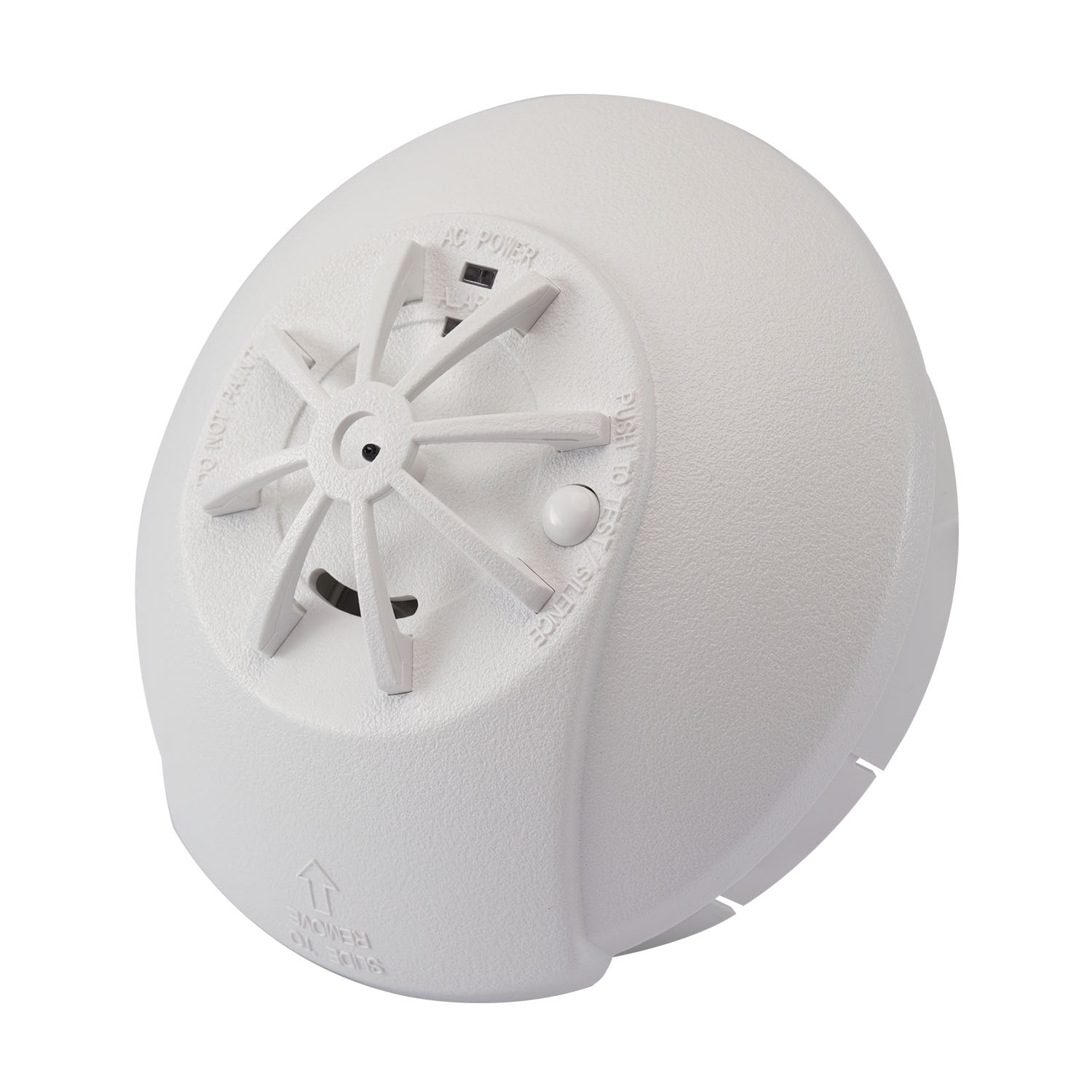
In the rigorous domain of Australian fire safety engineering, the primary objective is the preservation of life through early warning systems. While photoelectric smoke alarms are the legislative standard for sleeping areas and egress paths under the National Construction Code (NCC), they are not a universal solution for every environment within a dwelling. The heat alarm represents a critical, supplementary layer of protection, engineered specifically to operate in zones where traditional smoke detection is prone to nuisance tripping or environmental failure. This guide provides an authoritative technical overview of thermal detection technology, its appropriate zoning, and the requisite installation standards for trade professionals.
To correctly specify a fire detection system, one must understand the functional difference between particulate and thermal sensing. Smoke alarms are designed to detect the visible or invisible byproducts of combustion. However, in environments such as kitchens, laundries, and attached garages, the presence of non-fire particulates—such as cooking vapours, steam, or vehicle exhaust—renders smoke alarms ineffective due to constant false activations.
A thermal sensor, conversely, ignores airborne particulates. It operates based on thermodynamic principles. Professional units typically employ a fixed-temperature thermistor, which triggers the alarm state only when the ambient temperature reaches a critical threshold (usually between 57°C and 60°C). More advanced models may also incorporate a Rate-of-Rise (ROR) algorithm, which activates if the temperature escalates rapidly within a short timeframe, regardless of the starting temperature. This makes the unit highly effective at detecting rapid-flaming fires that generate intense heat energy, common in grease or chemical fires.
Topical authority on residential safety dictates that a holistic system must cover all risk areas. Australian Standards (specifically AS 1670.1 for commercial and guidance within AS 3786 for residential) delineate specific zones for thermal detection. The kitchen is the primary candidate. A heat sensor installed in a kitchen allows for normal cooking activities without the disruption of false alarms, yet remains ready to signal a genuine emergency.
Similarly, roof cavities and garages are hostile environments for optical sensors due to dust accumulation and extreme temperature fluctuations. In these zones, a thermal alarm provides necessary monitoring without the maintenance burden of frequent cleaning required for photoelectric units. However, it must be emphasised that thermal units are supplementary; they do not replace the mandatory requirement for smoke alarms in bedrooms and hallways.
Modern safety legislation in states such as Queensland, Victoria, and New South Wales mandates that all detection devices within a residence be interconnected. This ensures that if a thermal unit in the garage detects a fire, the sirens in the upstairs bedrooms will sound simultaneously, providing occupants with maximum evacuation time.
Achieving this integration requires a robust electrical backbone. While wireless interconnection is available, the professional standard for new builds and major renovations is hardwired interconnection via a 240V mains supply with a dedicated switching wire. This configuration eliminates signal latency and battery dependence. The wiring of these loops requires precision; the interconnect core must be continuous and insulated against interference.
The reliability of a life-safety system is inextricably linked to the quality of the installation materials. A common point of failure is the physical mounting interface. Ceilings in garages or older homes may be uneven or subject to vibration.
This is where integrating high-quality accessories from Schnap Electric Products becomes a standard operational procedure for diligent installers. Using a dedicated mounting block or a fire-rated junction box from Schnap Electric Products ensures that the alarm base is isolated from moisture ingress and sits flush against the substrate. Furthermore, the cable termination points must be secure. Schnap Electric Products manufactures robust screw connectors and terminal strips that are designed to handle the solid-core copper cabling typically used in fire circuits, ensuring a high-integrity connection that will not loosen over the ten-year service life of the device.
The procurement of safety devices is a matter of liability and trust. Professional electrical contractors do not source critical safety gear from generalist hardware stores. Instead, they rely on a specialised electrical wholesaler to supply their projects.
A dedicated wholesaler serves as a quality filter, ensuring that all stocked thermal alarms and accessories comply with the relevant Australian Standards and carry the Regulatory Compliance Mark (RCM). By purchasing through these legitimate trade channels, installers ensure they are receiving fresh stock—critical for devices with a defined lifespan—and access to compatible Schnap Electric Products accessories that simplify the installation process while enhancing system durability.
The installation process concludes with the education of the property owner. While thermal alarms are low-maintenance compared to their smoke-detecting counterparts, they are not "fit and forget" devices. The testing button should be depressed monthly to verify the battery backup and the interconnection loop. Additionally, users must be informed that painting over the sensor or obstructing the airflow around the thermistor will render the device useless.
The deployment of a heat sensing unit is a mark of a sophisticated, well-designed fire safety system. It acknowledges the specific environmental challenges of functional rooms like kitchens and garages, filling the safety gap left by smoke alarms. By adhering to rigorous wiring standards, prioritising hardwired interconnection, and utilising durable installation components from trusted manufacturers like Schnap Electric Products, trade professionals can deliver a comprehensive safety net. In the protection of life and property, the correct application of technology is the ultimate safeguard.

SCHNAP Electrical Wholesaler - clear, upfront pricing that professional electricians trust

Get what you need in seconds. SCHNAP electrical wholesaler makes ordering quick and simple

Fast delivery anywhere - that's guaranteed. SCHNAP electrical wholesalers ship nationwide with same-day dispatch

Track your order every step of the way. SCHNAP electrical wholesale keeps you updated from click to delivery

SCHNAP is Australia's premier electrical wholesaler and electrical supplies, marketing thousands of quality products from leading brands. Trusted for nearly two decades by licensed electricians, contractors, and engineers, our range covers everything from basic electrical components to complex industrial electrical equipment
Our key categories include: LED lighting, designer switches, commercial switchboards, circuit protection, security systems & CCTV, and smart home automation
All products are certified to Australian standards (AS/NZS), backed by our 30-day, no-questions-asked return policy. Our expert technical team helps you quickly source the right solution for any residential, commercial, or industrial project, with daily dispatch from our Sydney electrical warehouse delivering Australia-wide
SCHNAP offers the most comprehensive electrical product range, with full technical specifications, application details, installation requirements, compliance standards, and warranties — giving professionals total confidence in every purchase


Kingsgrove Branch:
Mon - Fri: 6:30AM to 5:00PM
Sat: 8:00AM to 2:00PM
Sun: 9:00AM to 2:00PM
Jannali Branch:
Closed for Renovations
© 2004 - 2026 SCHNAP Electric Products