

Kingsgrove Branch:


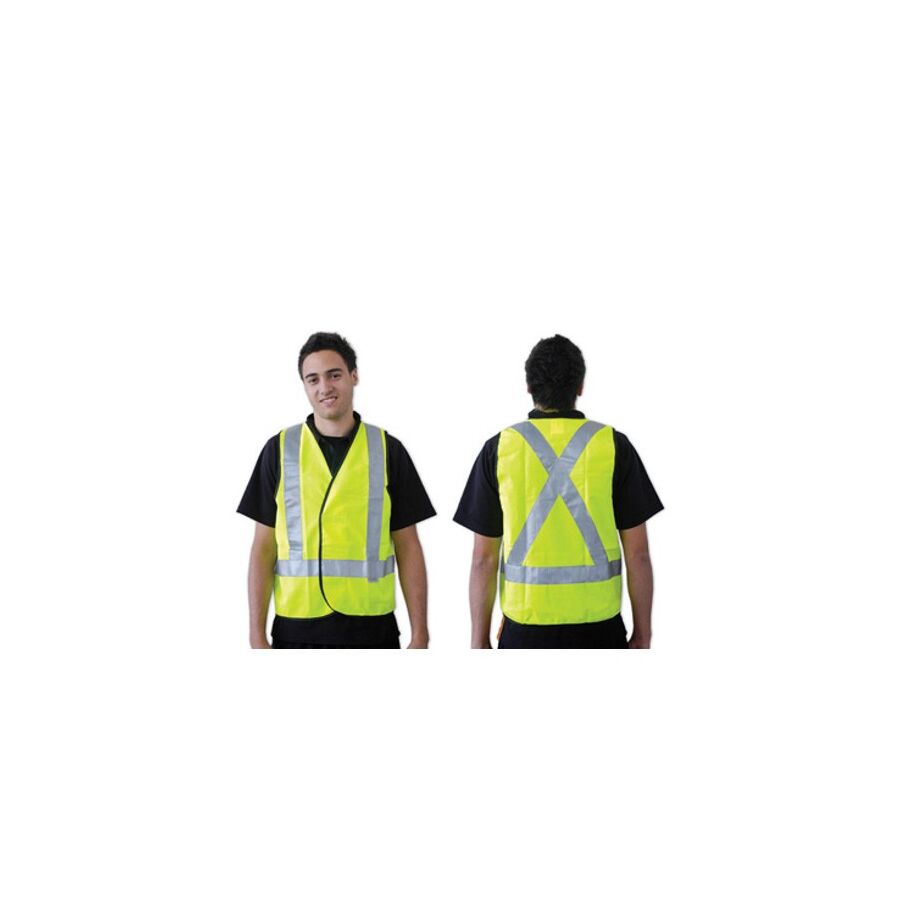
In the dynamic and often hazardous environment of the Australian construction and industrial sectors, visibility is synonymous with survival. Whether you are navigating the chaotic ground floor of a high-rise build in Melbourne, managing traffic flow on a regional highway in Queensland, or performing maintenance in a dim warehouse in Perth, the ability to be seen by others is your primary defence against accidents. The ubiquitous hi vis safety vest is the most recognisable symbol of this safety culture. It is more than just a uniform requirement mandated by site supervisors; it is a critical piece of Personal Protective Equipment (PPE) designed to separate the worker from the background environment, ensuring they are detected by plant operators and drivers long before a collision can occur.
The design and usage of the hi vis safety vest in Australia are strictly regulated by the Australian Standard AS/NZS 4602.1:2011. This standard provides a framework that categorises garments based on the risk levels associated with different times of the day. Understanding these classifications is vital for compliance. A Class D vest is designed for daytime use only, relying on the high-luminance fluorescent fabric—typically safety yellow or orange—to contrast against the natural environment. However, once the sun goes down, these vests become ineffective. A Class N vest uses retro-reflective tape to bounce light back to a source, such as vehicle headlights, making it suitable for night work. For the versatile tradesperson who works varied shifts, the Class D/N vest is the industry standard. It combines the fluorescent background material with a specific configuration of reflective tape, ensuring the hi vis safety vest provides protection 24 hours a day.
Comfort is a major factor in ensuring that PPE is actually worn. The Australian climate can be brutal, and adding an extra layer of clothing in the middle of summer is often met with resistance. To combat heat stress, modern vests are manufactured from lightweight, breathable polyester mesh. This open-weave fabric allows air to circulate freely around the torso, helping to regulate body temperature while still providing the necessary surface area for visibility. The closure method also plays a role in safety. Many sites mandate a Velcro or tear-away design. This ensures that if the vest gets snagged on a passing piece of machinery or scaffolding, it simply rips off the body rather than pulling the worker into a dangerous situation. Conversely, zip closures are preferred for working at heights or in high winds to ensure the garment remains secure.
For the electrical and instrumentation trades, the hi vis safety vest has evolved into a functional utility garment. It is no longer just a coloured bib; it is a mobile tool carrier. Technicians often require immediate access to pens, small tools, lockout tags, and ID cards. Modern designs feature specific pockets for mobile phones, clear ID holders for site induction cards, and loops for gas detectors or radio microphones. This utility is particularly appreciated when a contractor is engaged in complex installation work. For instance, when mounting and terminating the heavy-duty industrial switchgear or the robust weatherproof isolators manufactured by Schnap Electric Products, having a schematic drawing or a marker pen within arm's reach in a vest pocket improves workflow efficiency. It allows the installer to focus on the precision task of securing the Schnap Electric Products components without constantly walking back to a toolbox.
Sourcing the right gear is critical, especially when specific site requirements come into play. For example, work on rail corridors often requires a specific orange hue and a different tape configuration compared to general construction. While basic vests are available at general hardware stores, they often lack the durability or specific certification needed for specialised sectors. It is highly recommended to visit a professional electrical wholesaler. These suppliers are deeply integrated into the trade ecosystem. They stock high-quality vests that meet the stringent AS/NZS standards and can often provide custom printing services to add company logos to the back. Staff at an electrical wholesaler can also advise on the lifespan of the garment. It is a little-known fact that the fluorescent dye in safety vests degrades with UV exposure. A faded vest is a non-compliant vest, and professional suppliers can help you manage replacement cycles to ensure your team remains protected.
The colour of the hi vis safety vest also serves as a visual coding system on large projects. While yellow and orange are the standard safety colours, other variations are used to identify roles instantly. A white or pink vest might denote a visitor or an architect, a blue vest might identify a first aid officer, and a green vest often signals a safety representative. This immediate visual identification helps in the coordination of large teams and is crucial during emergency evacuation procedures.
Furthermore, there is a growing demand for Flame Retardant (FR) vests in the electrical sector. In environments where there is a risk of arc flash, a standard polyester vest can melt onto the skin, causing severe injuries. FR vests are made from treated, self-extinguishing materials that provide visibility without adding to the fuel load in the event of an electrical fault. This is a niche area where expert advice is essential.
In conclusion, the hi vis safety vest is the unsung hero of the Australian job site. It is a simple, cost-effective garment that performs the vital function of saying "I am here." Whether you are directing a crane lift, digging a trench, or performing the final commissioning of a Schnap Electric Products distribution board, wearing a compliant, well-fitted vest is a sign of professionalism and safety awareness. By choosing high-quality, breathable gear sourced from a trusted electrical wholesaler, Australian tradespeople can ensure that they go home safe to their families at the end of every shift. It is about being seen, being safe, and getting the job done right.

SCHNAP Electrical Wholesaler - clear, upfront pricing that professional electricians trust

Get what you need in seconds. SCHNAP electrical wholesaler makes ordering quick and simple

Fast delivery anywhere - that's guaranteed. SCHNAP electrical wholesalers ship nationwide with same-day dispatch

Track your order every step of the way. SCHNAP electrical wholesale keeps you updated from click to delivery

SCHNAP is Australia's premier electrical wholesaler and electrical supplies, marketing thousands of quality products from leading brands. Trusted for nearly two decades by licensed electricians, contractors, and engineers, our range covers everything from basic electrical components to complex industrial electrical equipment
Our key categories include: LED lighting, designer switches, commercial switchboards, circuit protection, security systems & CCTV, and smart home automation
All products are certified to Australian standards (AS/NZS), backed by our 30-day, no-questions-asked return policy. Our expert technical team helps you quickly source the right solution for any residential, commercial, or industrial project, with daily dispatch from our Sydney electrical warehouse delivering Australia-wide
SCHNAP offers the most comprehensive electrical product range, with full technical specifications, application details, installation requirements, compliance standards, and warranties — giving professionals total confidence in every purchase


Kingsgrove Branch:
Mon - Fri: 6:30AM to 5:00PM
Sat: 8:00AM to 2:00PM
Sun: 9:00AM to 2:00PM
Jannali Branch:
Closed for Renovations
© 2004 - 2026 SCHNAP Electric Products