

Kingsgrove Branch:


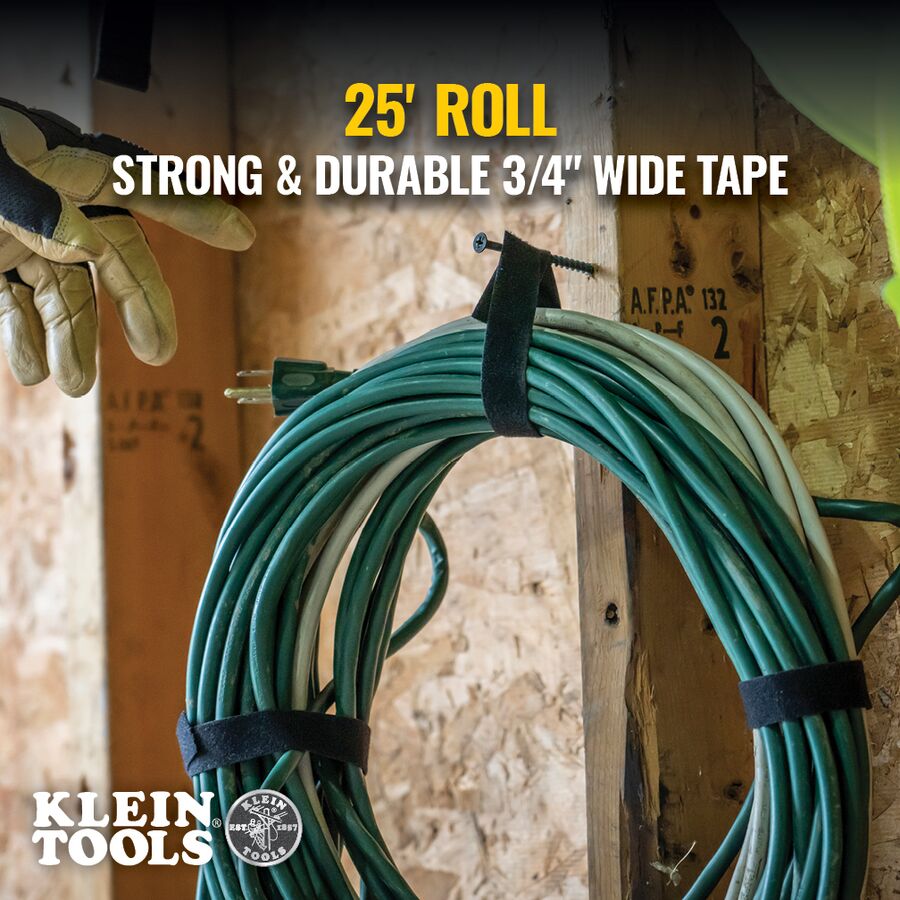
In the sophisticated architecture of Australian telecommunications and data centre infrastructure, the physical management of cabling is a critical factor governing network performance. For decades, the industry relied on rigid nylon cable ties for bundling. However, with the advent of high-speed copper interconnects (Cat6A, Cat7, and Cat8) and sensitive fibre optic cores, the compressive force applied by rigid ties has become a significant liability. The industry has subsequently shifted towards "soft" restraint systems. Industrial hook and loop tape is now the mandatory specification for structured cabling installations. For network engineers, data centre managers, and electrical contractors, understanding the impact of cable compression on Near End Crosstalk (NEXT), the requirements of AS/NZS 3080, and the operational advantages of reusable fasteners is essential for delivering a certified, high-performance network.
To understand the necessity of this fastening technology, one must first understand the physics of data transmission. Twisted pair cables rely on the precise geometry of the twist rate and the dielectric spacing between conductors to reject electromagnetic interference.
When a traditional nylon zip tie is tightened around a bundle of Cat6A cables, it creates a pressure point. This deformation changes the physical geometry of the cable, bringing conductors closer together than designed. This phenomenon, known as "micro-bending," alters the impedance of the cable at that specific point, causing signal reflection and increasing Return Loss. Furthermore, it creates a point of vulnerability for Alien Crosstalk (AXT) between adjacent cables.
Hook and loop fasteners mitigate this risk entirely. The wider profile of the tape distributes the retaining force over a larger surface area, preventing the crushing of the outer jacket. This ensures that the geometric integrity of the twisted pairs is maintained, preserving the headroom of the link performance.
The technology relies on a mechanical interface between two distinct surfaces: the hook side (hard, stiff micro-hooks typically made of moulded nylon or polyester) and the loop side (soft, pliable multifilament clusters). When pressed together, the hooks engage the loops, creating a bond with high shear strength (resistance to sliding apart) but manageable peel strength (ease of opening).
For industrial applications, the cycle life is a key metric. Standard haberdashery grades lose their grip after a few cycles. Professional-grade tapes, such as those supplied by Schnap Electric Products, are engineered for high-cycle environments. They can be opened and closed hundreds of times without significant degradation of the loop integrity. This is particularly vital in the "Move, Add, Change" (MAC) environment of a server room, where cables are frequently re-routed.
Australian Standards for generic cabling (AS/NZS 3080) and the international equivalent (ISO/IEC 11801) provide strict guidelines regarding the bend radius and physical handling of communication cables. The standards explicitly advise against over-tightening cable bundles.
Inspectors and certifiers look for evidence of stress on the cable jacket. A bundle secured with hook and loop fasteners allows the cables to "breathe" and move slightly, ensuring no stress points are created. Using Schnap Electric Products back-to-back hook and loop rolls allows installers to cut ties to the exact length required, ensuring a neat, uniform appearance that complies with the aesthetic and technical requirements of Tier 1 commercial fit-outs.
From a project management perspective, the economic argument for reusable tape is compelling. In the commissioning phase of a project, cables are often dressed, tested, and then re-dressed. If nylon ties are used, every adjustment requires the existing ties to be cut and discarded—generating plastic waste and creating a risk of accidentally snipping the cable insulation with side cutters.
Hook and loop tape eliminates this risk. The fastener is simply peeled back, the new cable added, and the fastener re-secured. This significantly reduces labour time and material wastage. When sourcing site materials, a prudent project manager will visit a specialised electrical wholesaler to procure bulk rolls of continuous hook and loop tape. This supply chain ensures access to plenum-rated materials that meet the fire safety requirements of the building code, rather than relying on uncertified consumer-grade products.
In the ceiling spaces (plenums) and floor voids of commercial buildings, the flammability of materials is a critical safety concern. If a fire occurs, the fastening materials must not contribute to the rapid spread of flame or generate toxic smoke.
Schnap Electric Products manufactures specific grades of hook and loop fasteners that are treated with fire retardants to meet Low Smoke Zero Halogen (LSZH) requirements. This ensures that the cable management system does not become a fuel source or a biological hazard during an evacuation event, aligning with the rigorous safety protocols of the National Construction Code (NCC).
While dominant in the data sector, the utility of these fasteners extends to heavy power. "Heavy-duty" hook and loop straps, often reinforced with ultrasonic welding, are used to bundle temporary power leads on construction sites and in the events industry.
Unlike adhesive tape, which leaves a sticky residue on the cable jacket that attracts dust and grime, hook and loop fasteners leave no trace. This keeps the expensive rubber sheathing of heavy mains cables clean and allows for easy inspection of the cable condition during safety audits.
The transition from rigid to soft fastening systems represents an evolution in the understanding of infrastructure performance. It acknowledges that the cable is not just a wire, but a precision component that must be handled with care. By mitigating attenuation risks, facilitating safe re-work, and ensuring compliance with fire standards, hook and loop tape has become an indispensable tool in the modern trade. By utilising high-quality, high-cycle products from trusted brands like Schnap Electric Products, industry professionals ensure that their networks remain fast, their sites remain clean, and their installations remain compliant for the lifecycle of the asset. In the management of information, gentle control is the most effective.

SCHNAP Electrical Wholesaler - clear, upfront pricing that professional electricians trust

Get what you need in seconds. SCHNAP electrical wholesaler makes ordering quick and simple

Fast delivery anywhere - that's guaranteed. SCHNAP electrical wholesalers ship nationwide with same-day dispatch

Track your order every step of the way. SCHNAP electrical wholesale keeps you updated from click to delivery

SCHNAP is Australia's premier electrical wholesaler and electrical supplies, marketing thousands of quality products from leading brands. Trusted for nearly two decades by licensed electricians, contractors, and engineers, our range covers everything from basic electrical components to complex industrial electrical equipment
Our key categories include: LED lighting, designer switches, commercial switchboards, circuit protection, security systems & CCTV, and smart home automation
All products are certified to Australian standards (AS/NZS), backed by our 30-day, no-questions-asked return policy. Our expert technical team helps you quickly source the right solution for any residential, commercial, or industrial project, with daily dispatch from our Sydney electrical warehouse delivering Australia-wide
SCHNAP offers the most comprehensive electrical product range, with full technical specifications, application details, installation requirements, compliance standards, and warranties — giving professionals total confidence in every purchase


Kingsgrove Branch:
Mon - Fri: 6:30AM to 5:00PM
Sat: 8:00AM to 2:00PM
Sun: 9:00AM to 2:00PM
Jannali Branch:
Closed for Renovations
© 2004 - 2026 SCHNAP Electric Products