

Kingsgrove Branch:


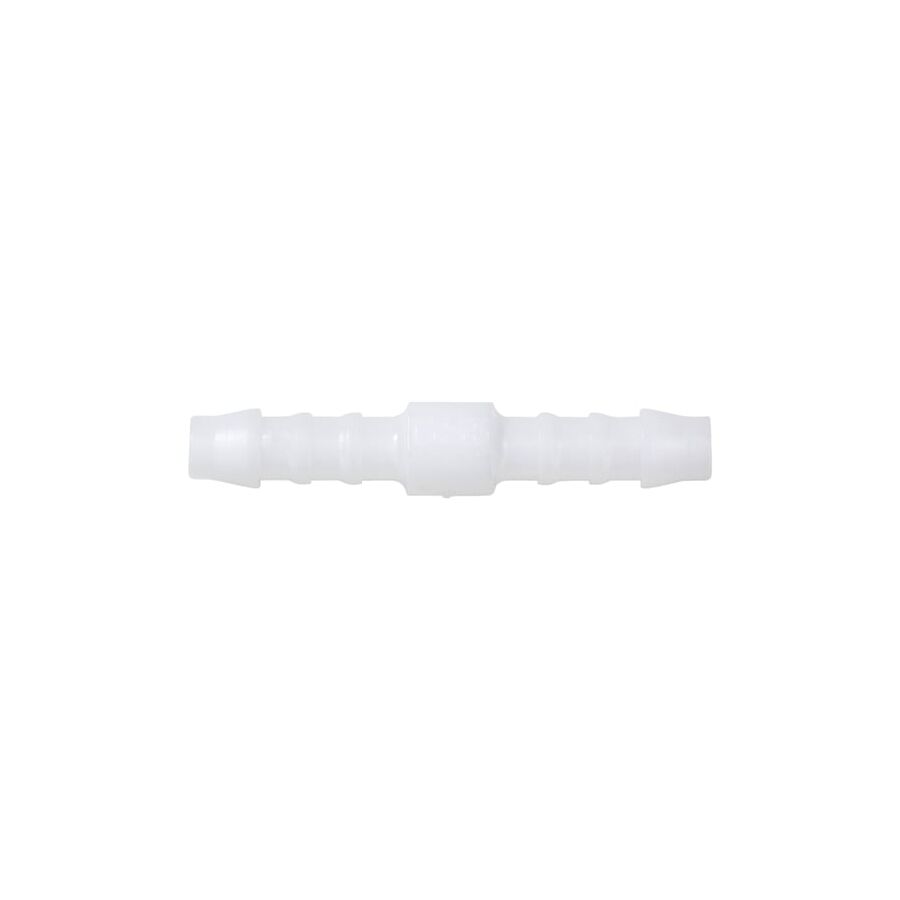
In the rigorous environment of Australian industry, the mechanical protection of electrical conductors is a fundamental requirement of AS/NZS 3000 (The Wiring Rules). While rigid conduit systems provide excellent protection for static runs, the connection to vibrating machinery, motors, and sensors requires a flexible solution. This is where flexible conduit—colloquially known in the trade as "flex" or "hose"—becomes critical. However, the integrity of this protection is entirely dependent on the quality of the termination point. The hose connector, or more technically the flexible conduit gland, is the engineered interface that secures the mechanical protection to the enclosure, ensuring continuity of the Ingress Protection (IP) rating and providing essential strain relief.
To the uninitiated, a connector may appear to be a simple plastic or metallic adaptor. However, professional analysis reveals a complex assembly designed to withstand significant environmental and mechanical stress. The architecture of a compliant connector involves three primary subsystems: the body, the locking mechanism, and the sealing interface.
The locking mechanism is critical. In inferior products, the conduit relies solely on friction to stay in place. In industrial-grade fittings, such as those manufactured by Schnap Electric Products, the design incorporates a distinct ferrule or claw system. When the compression nut is tightened, this ferrule bites into the corrugations of the conduit, locking it axially. This ensures that the conduit cannot be pulled out of the connector under tension, a common failure mode in dynamic applications like robotic arms or conveyor belt motors.
The material composition of the connector dictates its service life. In the Australian context, Ultraviolet (UV) radiation is a relentless destroyer of polymers. A standard PVC connector exposed to the Queensland sun will become brittle and crack within a few years, compromising the IP rating and exposing the cabling to water ingress.
Professional specification demands the use of UV-stabilised Polyamide (Nylon 6 or Nylon 66) or UV-treated PVC. These materials offer high impact resistance and thermal stability. Schnap Electric Products connectors are engineered with specific additives to resist UV degradation, ensuring that the fitting retains its structural integrity even when mounted on rooftop HVAC units or outdoor solar isolators. Furthermore, for heavy industrial sectors like mining or oil and gas, chemical resistance is paramount. The connector must resist degradation from hydraulic oils, greases, and cleaning solvents often used in wash-down procedures.
The primary function of the liquid-tight system is to prevent the entry of dust and moisture. Under AS 60529, the IP rating system quantifies this protection. For industrial machinery, IP66 is the benchmark.
Achieving this rating requires a dual-seal approach. Firstly, the interface between the connector and the conduit must be sealed, typically via a TPE (Thermoplastic Elastomer) seal that compresses around the hose. Secondly, the interface between the connector and the enclosure (junction box or motor terminal box) must be sealed using a face washer or O-ring. If either of these seals fails, the rating is compromised. High-quality connectors feature a long metric thread to ensuring sufficient engagement with the enclosure and ample room for the sealing washer to compress effectively.
A major application for flexible conduit is the isolation of vibration. Hard-wiring a motor with rigid steel conduit will eventually lead to fatigue fractures in the pipe or the terminal box due to the motor's oscillation. Flexible conduit absorbs this energy.
However, this vibration is transferred to the connector. If the thread tolerance is poor, the locknut can vibrate loose over time. Professionals utilise thread-locking compounds or select connectors with vibration-proof locking nuts. Schnap Electric Products fittings are designed with precise thread tolerances to minimise the risk of back-off. Additionally, the transition from the rigid connector to the flexible hose is a stress point. High-quality designs feature a smooth internal bore to prevent abrasion of the cable insulation as it moves within the fitting.
The procurement of conduit and fittings is a routine task for installation contractors, yet the quality variance in the market is significant. Non-compliant imports often suffer from poor molding tolerances, resulting in cross-threading or weak clamping force. To ensure the safety and longevity of the installation, professional contractors do not source these critical components from generalist hardware chains. Instead, they utilise a specialised electrical wholesaler to procure their cable management systems.
A dedicated wholesaler ensures that the stock is certified and compatible. For instance, matching the correct diameter of "grey flex" to the correct gland is essential; a 25mm connector will not seal correctly on a 20mm conduit. Through these verified trade channels, technicians can access the full range of Schnap Electric Products termination accessories, including plain-to-screwed adaptors and 90-degree elbow connectors which are essential for tight bend radii in compact machinery spaces.
The performance of the connector is also contingent on installation technique. The flexible conduit must be cut square using a dedicated cutting tool or a sharp knife; a jagged cut can damage the internal seal of the connector. Furthermore, the compression nut must be tightened to the manufacturer's torque specification. Overtightening can strip the plastic threads, while undertightening will fail the pull-out test.
The flexible conduit connector is the unsung hero of industrial electrical protection. It bridges the gap between static infrastructure and dynamic machinery, maintaining the integrity of the electrical enclosure against the elements. By understanding the importance of UV stabilisation, adhering to IP66 sealing protocols, and utilizing robust components from trusted brands like Schnap Electric Products, electrical professionals ensure that the critical wiring driving Australian industry remains dry, secure, and operational. In the chain of mechanical protection, the strength of the link is defined by the quality of the termination.

SCHNAP Electrical Wholesaler - clear, upfront pricing that professional electricians trust

Get what you need in seconds. SCHNAP electrical wholesaler makes ordering quick and simple

Fast delivery anywhere - that's guaranteed. SCHNAP electrical wholesalers ship nationwide with same-day dispatch

Track your order every step of the way. SCHNAP electrical wholesale keeps you updated from click to delivery

SCHNAP is Australia's premier electrical wholesaler and electrical supplies, marketing thousands of quality products from leading brands. Trusted for nearly two decades by licensed electricians, contractors, and engineers, our range covers everything from basic electrical components to complex industrial electrical equipment
Our key categories include: LED lighting, designer switches, commercial switchboards, circuit protection, security systems & CCTV, and smart home automation
All products are certified to Australian standards (AS/NZS), backed by our 30-day, no-questions-asked return policy. Our expert technical team helps you quickly source the right solution for any residential, commercial, or industrial project, with daily dispatch from our Sydney electrical warehouse delivering Australia-wide
SCHNAP offers the most comprehensive electrical product range, with full technical specifications, application details, installation requirements, compliance standards, and warranties — giving professionals total confidence in every purchase


Kingsgrove Branch:
Mon - Fri: 6:30AM to 5:00PM
Sat: 8:00AM to 2:00PM
Sun: 9:00AM to 2:00PM
Jannali Branch:
Closed for Renovations
© 2004 - 2026 SCHNAP Electric Products