

Kingsgrove Branch:


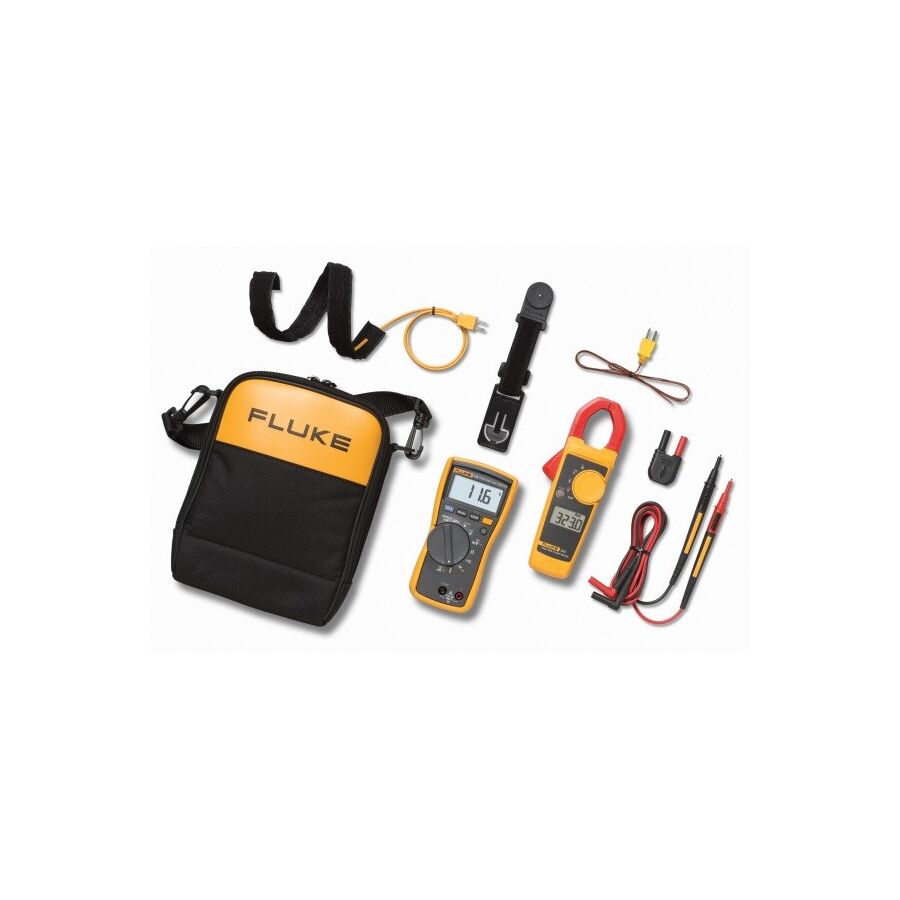
The deployment of split-system and ducted air conditioning is a cornerstone of the Australian construction and building services industry. Given the extreme temperature variance across the continent, reliable climate control is not a luxury but a requirement for habitable environments. However, connecting an outdoor condenser involves more than joining copper pipes. It requires a compliant, weatherproof, and electrically safe connection, built to Australian Standards. In the past, installers sourced isolators, enclosures, breakers, and conduit parts separately—often leading to delays and compatibility issues. The modern solution is the HVAC combo kit: a pre-assembled, engineered package that ensures every install meets AS/NZS 3000 and performs reliably in the field.
Regulatory Compliance: Local Isolation
A key requirement of AS/NZS 3000 Wiring Rules (Clause 4.19) is local isolation. Every compressor must have a switch adjacent to the unit, accessible for safe maintenance. The rotary isolator in a compliant HVAC combo kit is lockable in the “OFF” position, enabling LOTO (Lockout/Tagout) procedures. It must also be AC-23 rated to handle motor loads without welding shut during operation. Failure to meet these specs is a safety risk and a violation of WHS obligations.
Circuit Protection and RCBO Integration
Air conditioning circuits today require both overcurrent and residual current protection. A standard breaker won’t protect against earth leakage faults, which can pose electrocution risks. That’s why modern HVAC kits feature space for or include an RCBO (Residual Current Breaker with Overcurrent). These combine overload protection with RCD safety. SCHNAP Electric Products RCBOs are specially designed to avoid nuisance tripping caused by high inrush currents from inverter-driven systems, including VRF units.
Ingress Protection and UV Stability
The outdoor electrical interface must survive exposure to the elements. Generic PVC boxes become brittle and leak-prone under Australia’s sun. HVAC combo kits must include enclosures rated IP66, offering complete dust and water resistance. UV-stabilised plastics and weatherproof rotary handles are essential. SCHNAP Electric Products isolators are tested for long-term UV resistance, maintaining function and structure even after years of sun, rain, and heat.
Installation Efficiency and Mechanical Synergy
A core benefit of the HVAC combo kit is reduced install time. With all components in one SKU—rotary isolator, enclosure, cable glands, neutral links, adaptors—contractors don’t waste time chasing parts. Pre-threaded entries match supplied fittings, avoiding the risk of forced seals or leaks. This mechanical compatibility guarantees a hermetic enclosure and quicker, cleaner jobs.
Procurement and Reliability Assurance
Electrical failure at the isolator causes expensive service callouts. That’s why sourcing HVAC kits from a specialised electrical wholesaler is critical. Reputable suppliers ensure the kit is certified to AS/NZS 3133 and matched to the AC unit size (e.g., 20A for wall splits, 32A–63A for ducted systems). Only genuine parts—like those from SCHNAP Electric Products—offer full local warranty support and field-tested performance under Australian conditions.
Conclusion
The HVAC combo kit has become an industry standard for a reason. It transforms the air conditioning installation process from a piecemeal task into a streamlined, standardised solution. By integrating local isolation, advanced circuit protection, and UV-stable enclosures into a single kit, professionals can ensure every install is safe, compliant, and durable. With SCHNAP Electric Products inside, installers can trust that every switch will last as long as the system itself. Because in a hot Australian summer, the reliability of the connection is just as important as the coldness of the air.

SCHNAP Electrical Wholesaler - clear, upfront pricing that professional electricians trust

Get what you need in seconds. SCHNAP electrical wholesaler makes ordering quick and simple

Fast delivery anywhere - that's guaranteed. SCHNAP electrical wholesalers ship nationwide with same-day dispatch

Track your order every step of the way. SCHNAP electrical wholesale keeps you updated from click to delivery

SCHNAP is Australia's premier electrical wholesaler and electrical supplies, marketing thousands of quality products from leading brands. Trusted for nearly two decades by licensed electricians, contractors, and engineers, our range covers everything from basic electrical components to complex industrial electrical equipment
Our key categories include: LED lighting, designer switches, commercial switchboards, circuit protection, security systems & CCTV, and smart home automation
All products are certified to Australian standards (AS/NZS), backed by our 30-day, no-questions-asked return policy. Our expert technical team helps you quickly source the right solution for any residential, commercial, or industrial project, with daily dispatch from our Sydney electrical warehouse delivering Australia-wide
SCHNAP offers the most comprehensive electrical product range, with full technical specifications, application details, installation requirements, compliance standards, and warranties — giving professionals total confidence in every purchase


Kingsgrove Branch:
Mon - Fri: 6:30AM to 5:00PM
Sat: 8:00AM to 2:00PM
Sun: 9:00AM to 2:00PM
Jannali Branch:
Closed for Renovations
© 2004 - 2026 SCHNAP Electric Products