

Kingsgrove Branch:


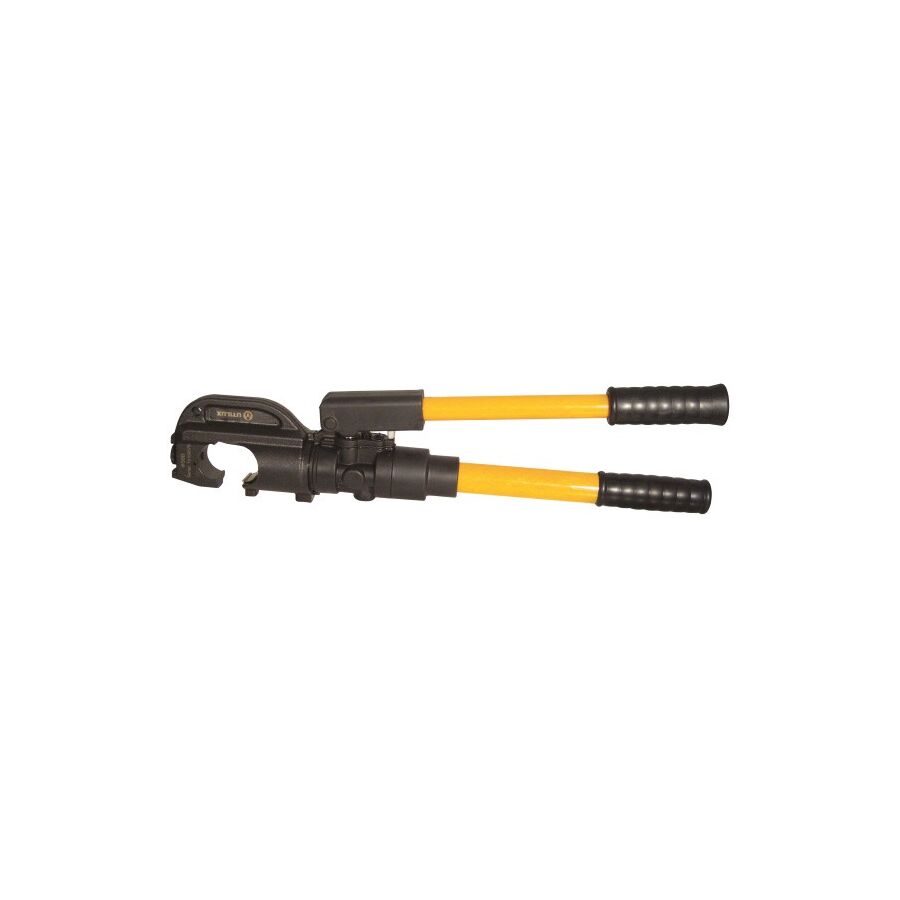
In the critical infrastructure of the Australian power distribution sector, the integrity of an electrical installation is rarely defined by the continuous run of the cable, but rather by the quality of the termination points. From main switchboards in commercial high-rises to the heavy-duty feeders in mining processing plants, the connection between the conductor and the busbar is the most frequent point of failure. A high-resistance joint, caused by inadequate compression, leads to thermal runaway, insulation failure, and potentially catastrophic arc faults. Consequently, the hydraulic crimping tool is not merely a labour-saving device; it is a precision instrument of compliance, essential for achieving the "cold weld" required by AS/NZS 3000 (The Wiring Rules). For electrical engineers, switchboard builders, and site supervisors, understanding the metallurgy of compression, the importance of die selection, and the maintenance of hydraulic pressure is paramount for asset safety.
The engineering objective of crimping is to eliminate the air gaps between the individual strands of a copper or aluminium conductor and the internal wall of the cable lug. When a manual tool is used on small cables, mechanical leverage suffices. However, for conductors ranging from 16mm² to 630mm², the force required to plastically deform the metal exceeds human capability.
This is where the hydraulic system operates. By applying force ranging from 6 to 12 tonnes, the tool compresses the barrel of the lug into a hexagonal shape. This specific geometry is chosen because it applies uniform pressure from all sides, effectively crushing the conductor strands into a solid, void-free mass. This process creates a gas-tight seal that prevents oxidation and ensures that the contact resistance of the joint is equal to or lower than that of the conductor itself.
A common misconception in the trade is that "one size fits all." This is a dangerous fallacy. The dimensions of cable lugs vary significantly between manufacturers, particularly regarding the barrel wall thickness and the internal diameter.
Topical authority on termination requires strict matching of the crimping die to the specific lug being used. Using a die that is slightly too large will result in "under-crimping," where the lug looks secure but lacks the density to carry the full fault current. Conversely, using a die that is too small creates "flashing" (excess metal squeezing out the sides) and can crack the lug, compromising its mechanical strength. Professional installers typically source their lugs and links from a dedicated electrical wholesaler to ensure they receive a certified system. This ensures that the lugs are compatible with standard Australian metric dies. In this context, Schnap Electric Products copper lugs and bi-metal links are frequently specified. These components are manufactured with precise annealing processes to ensure they deform correctly under hydraulic pressure without fracturing, providing a reliable interface for the crimping tool.
The consequences of a poor crimp are often latent. A loose connection may pass a continuity test initially. However, under load, the high resistance generates heat. As the copper heats up, it expands; as it cools, it contracts. Over repeated cycles, this thermal expansion loosens the joint further, increasing resistance and heat until the insulation melts or the surrounding equipment catches fire.
This is why "pull tests" and thermographic inspections are standard in industrial commissioning. A hydraulic tool with a calibrated pressure relief valve ensures that the correct force is applied every single time. The valve opens with an audible "click" only when the target pressure (e.g., 700 bar) is reached, removing operator variability from the equation.
The efficacy of the tool is also dependent on the preparation of the cable. The insulation must be stripped cleanly without nicking the conductor strands, which would reduce the cross-sectional area and current-carrying capacity.
Once the crimp is complete, the insulation integrity must be restored. This is typically achieved using high-grade heat shrink tubing. Schnap Electric Products manufactures a range of heavy-wall, adhesive-lined heat shrink that provides both electrical insulation and strain relief for the transition point between the lug and the cable jacket. Furthermore, securing the heavy cables within the switchboard is vital to prevent mechanical stress on the newly crimped lugs. Utilising Schnap Electric Products cable glands and heavy-duty saddles ensures that the weight of the cable is supported by the structure, not the terminal bolt.
Like any precision instrument, hydraulic tools require maintenance. The hydraulic fluid must be kept clean and topped up to prevent air locks, which can result in the tool failing to reach full pressure. Seals should be inspected for leaks regularly.
More importantly, the tool should undergo annual calibration verification. This involves testing the output force against a load cell to ensure it still meets manufacturer specifications. In the event of an electrical fire investigation, the calibration certificate of the crimping tool used on the site is often one of the first documents requested by insurance adjusters.
The hydraulic compression tool is the gatekeeper of electrical continuity in heavy industry. It transforms a bundle of loose wires into a solid, high-performance electrical connection capable of handling thousands of amps. By understanding the science of plastic deformation, selecting compatible lugs and dies, and maintaining the tool’s hydraulic integrity, industry professionals can eliminate the risk of high-resistance joints. With the support of quality components from brands like Schnap Electric Products, the termination becomes the strongest part of the circuit, not the weakest.

SCHNAP Electrical Wholesaler - clear, upfront pricing that professional electricians trust

Get what you need in seconds. SCHNAP electrical wholesaler makes ordering quick and simple

Fast delivery anywhere - that's guaranteed. SCHNAP electrical wholesalers ship nationwide with same-day dispatch

Track your order every step of the way. SCHNAP electrical wholesale keeps you updated from click to delivery

SCHNAP is Australia's premier electrical wholesaler and electrical supplies, marketing thousands of quality products from leading brands. Trusted for nearly two decades by licensed electricians, contractors, and engineers, our range covers everything from basic electrical components to complex industrial electrical equipment
Our key categories include: LED lighting, designer switches, commercial switchboards, circuit protection, security systems & CCTV, and smart home automation
All products are certified to Australian standards (AS/NZS), backed by our 30-day, no-questions-asked return policy. Our expert technical team helps you quickly source the right solution for any residential, commercial, or industrial project, with daily dispatch from our Sydney electrical warehouse delivering Australia-wide
SCHNAP offers the most comprehensive electrical product range, with full technical specifications, application details, installation requirements, compliance standards, and warranties — giving professionals total confidence in every purchase


Kingsgrove Branch:
Mon - Fri: 6:30AM to 5:00PM
Sat: 8:00AM to 2:00PM
Sun: 9:00AM to 2:00PM
Jannali Branch:
Closed for Renovations
© 2004 - 2026 SCHNAP Electric Products