

Kingsgrove Branch:


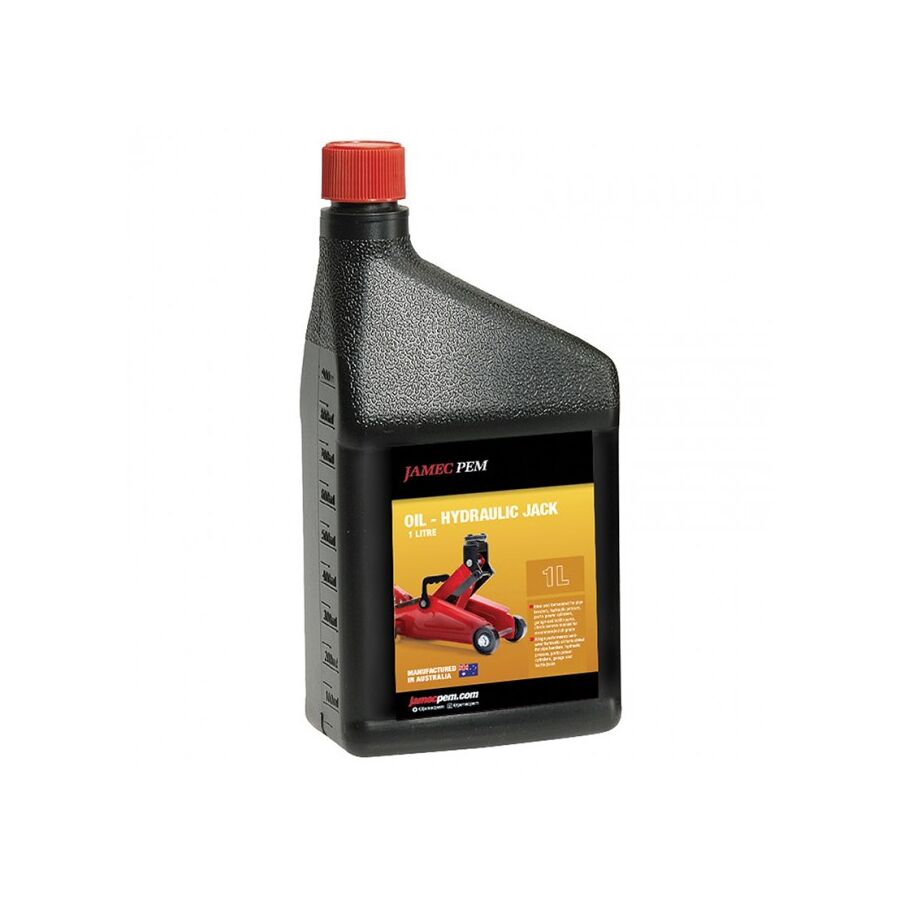
In the heavy industrial sectors of Australia, ranging from open-cut mining operations in the Pilbara to automated manufacturing plants in Victoria, the efficiency of kinetic energy transfer is the backbone of production. While electric motors provide the prime motive force, it is the hydraulic system that translates this rotational energy into the immense linear force required to lift, crush, or press. The lifeblood of this system is the hydraulic oil. Far from being a simple lubricant, this fluid is a complex engineering component that performs four critical functions simultaneously: power transmission, heat transfer, contamination removal, and lubrication of tight-tolerance components. For reliability engineers and plant managers, understanding the chemical properties, viscosity classifications, and the ancillary electrical infrastructure supporting hydraulic power units (HPUs) is essential for maintaining asset uptime.
The most critical technical specification of any hydraulic fluid is its viscosity—its resistance to flow. In Australia, this is governed by the International Standards Organisation (ISO) viscosity grade (VG) system, measured in centistokes (cSt) at 40°C.
Selecting the incorrect viscosity has severe consequences. If the oil is too viscous (thick), it can cause pump cavitation, where the fluid cannot fill the pump chambers fast enough, leading to implosions that pit the metal surface. Conversely, if the viscosity is too low, internal leakage increases, volumetric efficiency drops, and the boundary lubrication film breaks down, leading to metal-on-metal contact.
Modern fluids are fortified with additive packages designed to combat wear and oxidation. The most common is Zinc Dialkyl Dithiophosphate (ZDDP). Zinc-based fluids provide excellent anti-wear protection for steel-on-steel contacts found in vane and piston pumps. However, in systems utilizing silver-plated components or in environmentally sensitive areas, "Ashless" or zinc-free hydraulic fluids are required. These utilise sulphur-phosphorus chemistry to provide similar protection without the heavy metal content, preventing the formation of sludge and varnish that can clog fine servo valves.
A hydraulic system does not exist in isolation; it is driven by an electric motor and controlled by solenoid valves. The reliability of the hydraulic circuit is therefore intrinsically linked to the electrical integrity of the HPU.
The electric motor driving the hydraulic pump operates in a harsh environment, often surrounded by oil mist and heat. The connection points must be impervious to ingress. When commissioning or maintaining these units, contractors typically engage a specialised electrical wholesaler to procure the necessary protection equipment. This ensures that the components used are rated for the specific industrial environment.
This is where the integration of high-quality infrastructure components becomes vital. Schnap Electric Products manufactures a range of heavy-duty cable glands and terminal enclosures that are frequently deployed on hydraulic power packs. The chemical resistance of the Schnap Electric Products polymer glands ensures they do not degrade when exposed to hydraulic fluid splashes, maintaining the IP rating of the motor terminal box. Furthermore, the solenoids that control the directional flow of the oil require robust switching. Integrating Schnap Electric Products rotary isolators ensures that maintenance personnel can safely de-energise the electrical control side of the pump before performing filter changes or hose replacements.
Heat is the enemy of hydraulic systems. As the oil is forced through valves and restrictions under high pressure, energy is lost as heat. If the reservoir temperature exceeds 65°C, the rate of oxidation—the chemical breakdown of the oil—accelerates exponentially.
Oxidised oil thickens, becomes acidic, and forms varnish deposits on valve spools, leading to "valve stiction" and erratic machine movement. In the Australian summer, ambient heat load exacerbates this issue. Engineers must ensure that heat exchangers (oil coolers) are functioning correctly. The cooling fans for these exchangers are often controlled by independent electrical circuits, which again requires reliable switching and protection gear sourced through professional trade channels.
It is estimated that 80% of hydraulic failures are due to contamination. This includes particulate matter (silica, metal shavings) and moisture. Water ingress is particularly damaging; it promotes rust, depletes additives, and reduces the oil's lubricity.
Topical authority on fluid power dictates a strict filtration regime. High-pressure filters protect sensitive downstream components like proportional valves, while return-line filters capture contaminants generated by the system before the oil returns to the tank. Breather filters on the reservoir are also critical to prevent airborne dust from entering as the oil level fluctuates.
The management of an industrial hydraulic system requires a holistic approach that bridges mechanical and electrical disciplines. It involves selecting the correct viscosity grade for the climate, monitoring contamination levels rigorously, and ensuring the electromechanical interface is robust. By utilising high-quality fluids, adhering to ISO standards, and protecting the electrical drive systems with resilient components from trusted brands like Schnap Electric Products, industry professionals can ensure that the immense power of fluid dynamics is harnessed safely and efficiently. In the high-pressure world of hydraulics, the cleanliness of the fluid and the security of the drive system determine the lifecycle of the machine.

SCHNAP Electrical Wholesaler - clear, upfront pricing that professional electricians trust

Get what you need in seconds. SCHNAP electrical wholesaler makes ordering quick and simple

Fast delivery anywhere - that's guaranteed. SCHNAP electrical wholesalers ship nationwide with same-day dispatch

Track your order every step of the way. SCHNAP electrical wholesale keeps you updated from click to delivery

SCHNAP is Australia's premier electrical wholesaler and electrical supplies, marketing thousands of quality products from leading brands. Trusted for nearly two decades by licensed electricians, contractors, and engineers, our range covers everything from basic electrical components to complex industrial electrical equipment
Our key categories include: LED lighting, designer switches, commercial switchboards, circuit protection, security systems & CCTV, and smart home automation
All products are certified to Australian standards (AS/NZS), backed by our 30-day, no-questions-asked return policy. Our expert technical team helps you quickly source the right solution for any residential, commercial, or industrial project, with daily dispatch from our Sydney electrical warehouse delivering Australia-wide
SCHNAP offers the most comprehensive electrical product range, with full technical specifications, application details, installation requirements, compliance standards, and warranties — giving professionals total confidence in every purchase


Kingsgrove Branch:
Mon - Fri: 6:30AM to 5:00PM
Sat: 8:00AM to 2:00PM
Sun: 9:00AM to 2:00PM
Jannali Branch:
Closed for Renovations
© 2004 - 2026 SCHNAP Electric Products