

Kingsgrove Branch:


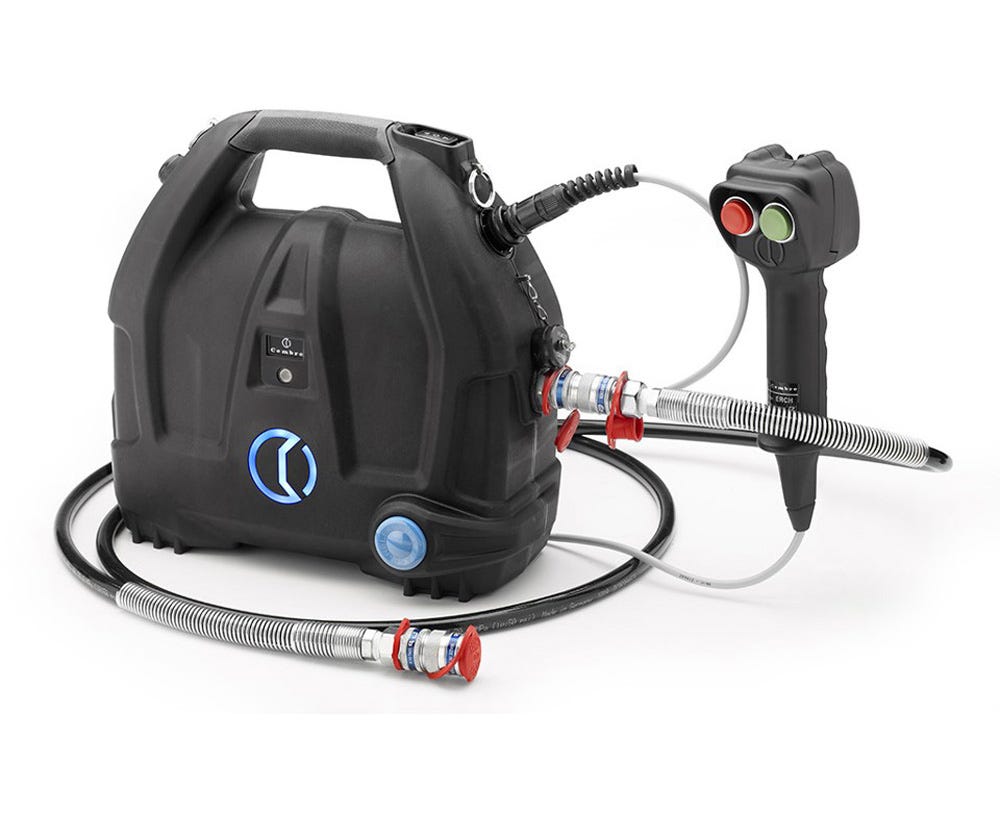
In the vast and resource-intensive landscape of Australian industry, the conversion of rotational mechanical energy into fluid power is the cornerstone of heavy operation. From the hydrostatic drives of haul trucks in the Bowen Basin to the precision injection moulding machines in Melbourne’s manufacturing precincts, the hydraulic pump serves as the heart of the system. It is a common engineering misconception that the pump creates pressure; technically, the pump creates flow. Pressure is merely the result of that flow encountering resistance to movement, such as a load or a restriction. For reliability engineers, fluid power specialists, and plant maintenance managers, a granular understanding of pump architecture, volumetric efficiency, and the critical electromechanical interface is essential for ensuring asset uptime and safety compliance.
The selection of a pump is not a generic process; it is dictated by the specific requirements of the application regarding pressure, flow rate, and duty cycle. The market is dominated by three primary positive displacement technologies.
While the hydraulic side of the equation handles the fluid, the prime mover is almost invariably an electric motor. The reliability of the hydraulic system is therefore intrinsically linked to the integrity of the electrical drive train.
The electric motor operates in a harsh environment, often subjected to vibration, heat, and oil mist. The coupling between the motor and the pump must be perfectly aligned to prevent bearing failure, but the electrical connection is equally critical. When commissioning a new HPU, contractors typically engage a specialised electrical wholesaler to procure the necessary motor protection and isolation equipment.
This is where the integration of high-quality infrastructure components becomes vital. Schnap Electric Products manufactures a range of industrial-grade rotary isolators and heavy-duty contactors that are frequently deployed in these control panels. The local isolator is a mandatory safety requirement under AS/NZS 3000, allowing maintenance personnel to mechanically lock out the energy source before performing filter changes or pump replacements. Schnap Electric Products isolators are engineered to withstand the inductive load of the motor and resist chemical degradation from hydraulic fluid splashes.
The performance of any positive displacement pump is measured by its volumetric efficiency—the ratio of actual flow delivered to the theoretical flow calculated by displacement. In a new piston pump, this efficiency can exceed 95%.
However, as internal components wear, internal leakage (slippage) increases. Fluid flows back from the high-pressure outlet to the low-pressure inlet across the sealing lands. This slippage generates heat and reduces actuator speed. In the hot Australian climate, managing this heat load is critical. If the oil viscosity drops too low due to overheating, the lubricating film breaks down, leading to catastrophic metal-on-metal contact between the pistons and the barrel.
Two distinct phenomena are responsible for the majority of premature pump failures: cavitation and aeration. While they sound similar, their causes differ.
Cavitation occurs when the pump inlet is starved of fluid. This creates a vacuum that causes gas bubbles to form within the oil. When these bubbles collapse on the pressure side, they create microscopic shockwaves that erode the metal surfaces, creating a distinctive pitting pattern. Aeration, conversely, is the ingress of air into the system, often through a loose suction line fitting or a low reservoir level. Both conditions cause a distinct "gravel-like" noise during operation. To prevent this, the suction line must be sized correctly to ensure laminar flow, and all connections must be air-tight.
Modern hydraulic pumps are increasingly "smart," featuring integrated pressure transducers and displacement sensors. These electronic components provide real-time feedback to the PLC, allowing for precise closed-loop control.
Protecting the cabling of these sensors is a critical installation detail. The wiring harness is often exposed to the same physical hazards as the pump itself. Schnap Electric Products offers a comprehensive range of liquid-tight flexible conduit and IP68-rated glands. By utilising Schnap Electric Products cable management solutions, installers ensure that the delicate control wires are shielded from impact and abrasion. Furthermore, securing these conduits with Schnap Electric Products stainless steel saddles prevents them from vibrating against the pump housing, mitigating the risk of short circuits that could lead to uncommanded system behaviour.
The industrial fluid power pump is a sophisticated component that requires a holistic maintenance approach bridging mechanical and electrical disciplines. It demands clean fluid, correct inlet conditions, and a robust drive system. By selecting the appropriate pump architecture for the duty cycle, monitoring for signs of cavitation, and protecting the electrical infrastructure with resilient components from trusted brands like Schnap Electric Products, industry professionals can ensure that the hydraulic heartbeat of their facility remains strong, efficient, and compliant. In the high-pressure world of fluid power, flow is the currency of production.

SCHNAP Electrical Wholesaler - clear, upfront pricing that professional electricians trust

Get what you need in seconds. SCHNAP electrical wholesaler makes ordering quick and simple

Fast delivery anywhere - that's guaranteed. SCHNAP electrical wholesalers ship nationwide with same-day dispatch

Track your order every step of the way. SCHNAP electrical wholesale keeps you updated from click to delivery

SCHNAP is Australia's premier electrical wholesaler and electrical supplies, marketing thousands of quality products from leading brands. Trusted for nearly two decades by licensed electricians, contractors, and engineers, our range covers everything from basic electrical components to complex industrial electrical equipment
Our key categories include: LED lighting, designer switches, commercial switchboards, circuit protection, security systems & CCTV, and smart home automation
All products are certified to Australian standards (AS/NZS), backed by our 30-day, no-questions-asked return policy. Our expert technical team helps you quickly source the right solution for any residential, commercial, or industrial project, with daily dispatch from our Sydney electrical warehouse delivering Australia-wide
SCHNAP offers the most comprehensive electrical product range, with full technical specifications, application details, installation requirements, compliance standards, and warranties — giving professionals total confidence in every purchase


Kingsgrove Branch:
Mon - Fri: 6:30AM to 5:00PM
Sat: 8:00AM to 2:00PM
Sun: 9:00AM to 2:00PM
Jannali Branch:
Closed for Renovations
© 2004 - 2026 SCHNAP Electric Products