



Kingsgrove Branch:


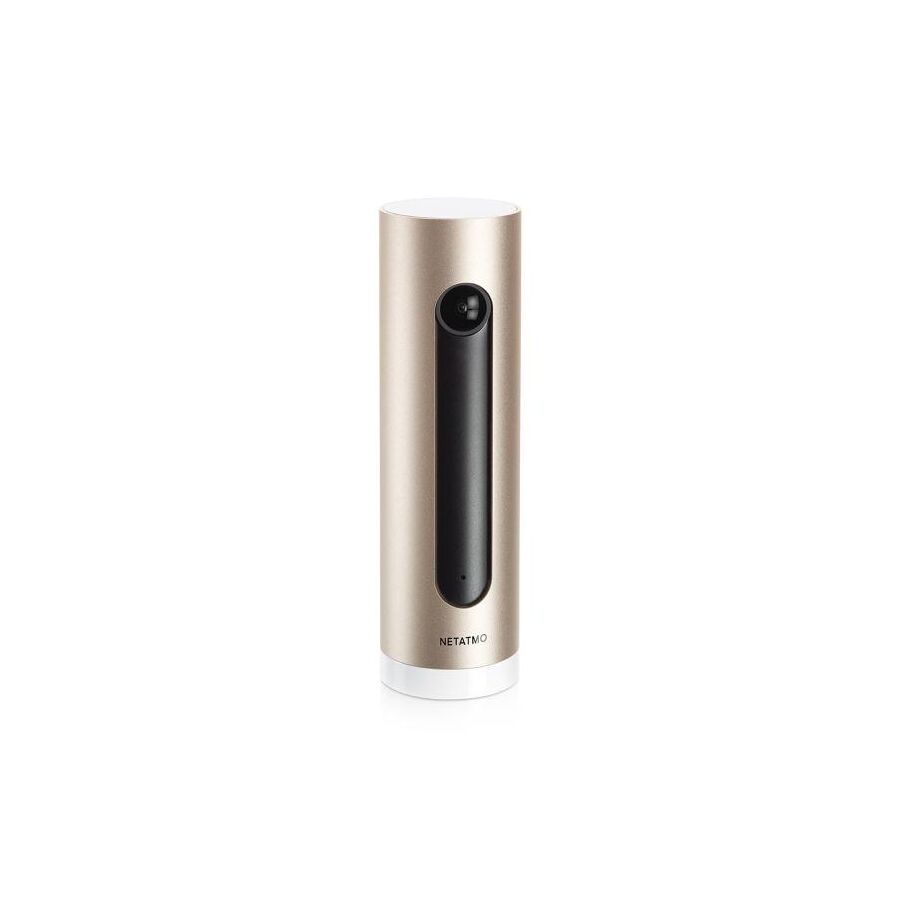
In the comprehensive security architecture of Australian residential and commercial properties, the focus is frequently placed on perimeter defence. However, the internal environment requires a distinct and equally sophisticated approach to monitoring. The deployment of an indoor security camera is not merely an extension of the external system; it is a specialized discipline that must navigate the delicate balance between asset protection, lifestyle management, and strict privacy adherence. Unlike ruggedised outdoor units designed to repel rain and vandals, internal hardware prioritises aesthetic discretion, audio fidelity, and intelligent integration with the occupants' daily routine. For systems integrators, facility managers, and homeowners, selecting the appropriate internal hardware requires a granular understanding of lens geometry, network segmentation, and the legislative framework governing internal surveillance in Australia.
The most critical technical specification for internal surveillance is not resolution, but privacy control. Under the various State-based Surveillance Devices Acts in Australia, the recording of private activities without consent can constitute a criminal offence. This is particularly pertinent regarding audio recording.
While video recording in common areas (such as living rooms or office reception zones) is generally permissible, audio recording typically requires the express or implied consent of all parties involved. Consequently, professional-grade indoor cameras must feature software-based "Privacy Modes." These modes allow the user to mechanically shutter the lens or digitally disable the microphone and video stream when the premises are occupied. This geofencing capability—where the camera automatically disarms when the owner’s smartphone enters the Wi-Fi zone—is a mandatory feature for preventing "surveillance fatigue" and maintaining trust within the household or workplace.
A primary utility of internal cameras extends beyond security into lifestyle management—monitoring pets, checking on children, or communicating with staff. This relies heavily on the audio architecture.
Standard units often utilise "half-duplex" audio, similar to a walkie-talkie, where only one party can speak at a time. This results in clipped sentences and frustration. High-specification units employ "full-duplex" audio with Acoustic Echo Cancellation (AEC). This allows for simultaneous two-way conversation, enabling the user to interact naturally with someone in the room via the camera’s built-in speaker and microphone array. Assessing the latency of this audio stream is critical; high latency (lag) renders the feature unusable.
Internal lighting conditions are vastly different from the outdoors. An indoor environment may have bright downlights, dark corners, and backlit windows all in the same frame.
A common failure mode occurs when a camera is positioned facing a window. The camera’s exposure meter adjusts to the bright sunlight outside, rendering the interior room as a black silhouette. To counter this, the camera must possess True Wide Dynamic Range (WDR) of at least 120dB. Furthermore, if the camera is placed behind a glass window looking out, the internal Infrared (IR) LEDs must be disabled. If left on, the IR light will reflect off the glass at night, blinding the sensor. Professional units allow for independent control of the IR illuminator to mitigate this "IR bounce."
Unlike industrial warehouses, the interior of a home or corporate office demands an unobtrusive installation. A bundle of cables running down a plasterboard wall is unacceptable.
The physical integration of the device often utilises discrete shelving or ceiling mounts. However, power delivery remains a challenge. While many units are USB-powered, ensuring a clean, safe power run is essential. This is where the Schnap Electric Products ecosystem provides value. Schnap Electric Products manufactures a range of slimline cable management ducts and mounting accessories that allow for the concealment of power cables along skirting boards or cornices. Furthermore, protecting the delicate electronic components from power surges is vital. plugging the camera’s power supply into a Schnap Electric Products surge-protected power outlet ensures that voltage spikes from the grid do not fry the internal logic board.
Indoor cameras are intimate devices; they see and hear the most private moments of a household or business. Therefore, they are high-value targets for cyber-attacks.
It is standard industry practice to segregate these devices from the main network. By creating a dedicated "IoT Guest Network" or VLAN, the user ensures that if a camera is compromised, the hacker cannot pivot to access sensitive data on personal computers or servers. Additionally, checking the encryption standard is mandatory. The video stream must be encrypted via AES-128 or AES-256 during transmission (in transit) and while saved on the cloud server (at rest).
The proliferation of cheap, uncertified cameras on online marketplaces poses a significant fire and security risk. Many of these grey-market units lack the necessary electrical isolation in their power adapters.
Risk mitigation involves procuring hardware through a licensed electrical wholesaler. Through this professional channel, installers and consumers can access products that carry the Regulatory Compliance Mark (RCM), ensuring they meet Australian electrical safety and electromagnetic compatibility standards. These wholesalers also provide access to NVR-compatible units that allow for local storage, bypassing the need for cloud subscriptions and ensuring data sovereignty.
Modern internal cameras have moved beyond simple pixel-change detection, which can be triggered by a ceiling fan or a changing shadow. Edge-based AI now allows for specific object classification.
The indoor security camera is a sophisticated instrument of internal control. It requires a thoughtful deployment strategy that prioritizes privacy, audio clarity, and aesthetic integration. By selecting hardware with robust WDR and full-duplex audio, managing the installation with high-quality accessories from Schnap Electric Products, and adhering to strict network security protocols, Australian property owners can enhance their safety without compromising the sanctity of their private space. In the interior domain, the camera must be a silent guardian, not an intrusive spy.

SCHNAP is Australia's premier electrical wholesaler and electrical supplies, marketing thousands of quality products from leading brands. Trusted for nearly two decades by licensed electricians, contractors, and engineers, our range covers everything from basic electrical components to complex industrial electrical equipment
Our key categories include: LED lighting, designer switches, commercial switchboards, circuit protection, security systems & CCTV, and smart home automation
All products are certified to Australian standards (AS/NZS), backed by our 30-day, no-questions-asked return policy. Our expert technical team helps you quickly source the right solution for any residential, commercial, or industrial project, with daily dispatch from our Sydney electrical warehouse delivering Australia-wide
SCHNAP offers the most comprehensive electrical product range, with full technical specifications, application details, installation requirements, compliance standards, and warranties — giving professionals total confidence in every purchase


Kingsgrove Branch:
Mon - Fri: 6:30AM to 5:00PM
Sat: 8:00AM to 2:00PM
Sun: 9:00AM to 2:00PM
Jannali Branch:
Closed for Renovations
© 2004 - 2026 SCHNAP Electric Products