

Kingsgrove Branch:


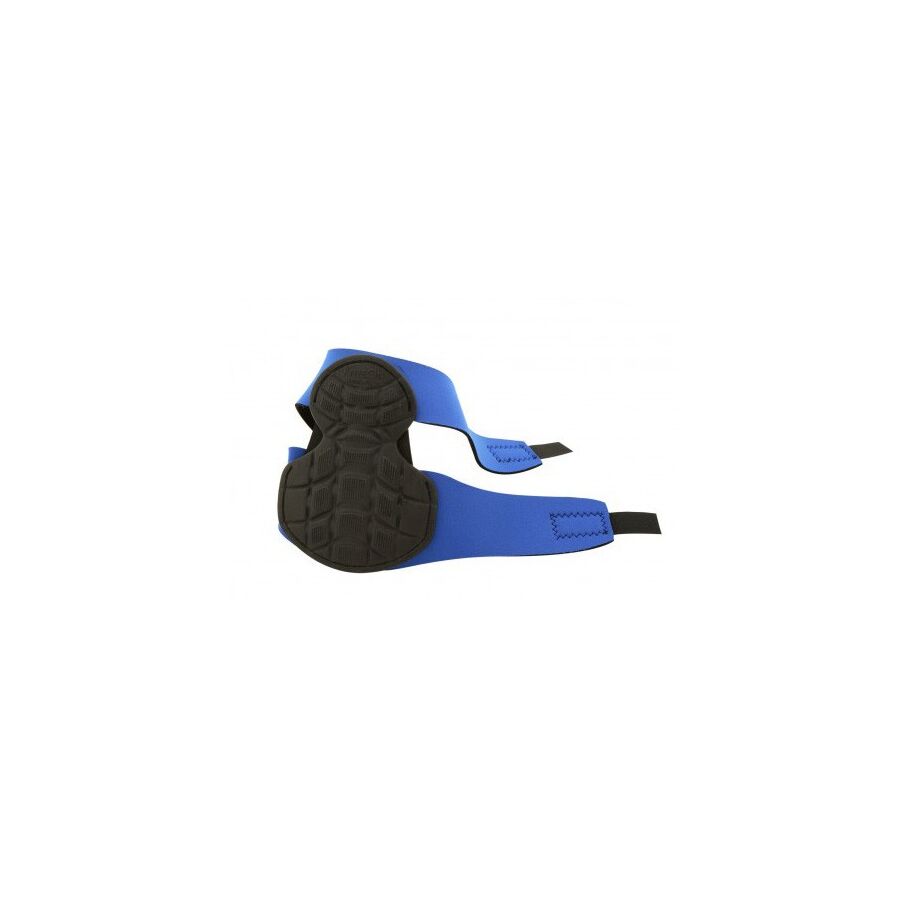
Across Australian construction, mining and industrial maintenance environments, tradespeople spend prolonged periods kneeling on concrete, steel grating and abrasive surfaces.
Under the Work Health and Safety framework, employers have a duty of care to minimise musculoskeletal injury risks.
Industrial Knee Pads are engineered ergonomic protection systems designed to reduce cumulative joint trauma and extend workforce longevity.
They are not simple foam cushions. They are biomechanical support devices built for demanding site conditions.
When kneeling without protection, body weight is concentrated directly onto the patella.
This concentrated pressure:
• Compresses joint structures • Restricts synovial fluid circulation • Accelerates cartilage wear • Increases risk of bursitis and meniscus injury
Advanced knee pads redistribute this load by increasing the contact surface area.
A contoured internal cup shifts pressure away from the patella and spreads it across surrounding muscle mass and structural bone regions.
By lowering pressure per square centimetre, ergonomic pads reduce immediate discomfort and long-term joint degradation.
Professional-grade industrial knee pads incorporate advanced materials engineered for impact resistance and durability.
Internal core options commonly include:
• Silicone gel inserts • High-density EVA foam • Dual-layer composite cushioning
Gel cores provide dynamic conformity, adapting to the user’s knee profile while maintaining elastic recovery.
Unlike low-grade foam that flattens permanently, quality materials retain structural integrity under repetitive loading.
External materials often feature:
• 1680D ballistic nylon • Reinforced polyester • Kevlar-blended fabrics
These abrasion-resistant textiles withstand:
• Concrete drag • Sharp aggregate • Steel framework • Construction debris
Hard outer caps made from polyurethane or heavy-duty PVC provide additional impact shielding and improve stability on smooth surfaces.
Industrial floors may include:
• Polished concrete • Painted steel • Dust-covered slabs • Damp surfaces
Non-slip caps increase friction between the pad and the ground surface, reducing sliding hazards during installation or termination work.
This improves operator balance and precision.
Securing knee pads too tightly can restrict blood flow behind the knee.
Premium industrial designs use:
• Wide neoprene straps • Articulated strap positioning • Even pressure distribution systems
Straps are typically positioned above and below the knee joint to avoid compression of the popliteal region.
High-quality hook-and-loop closures or buckle systems maintain secure positioning even when exposed to dust, moisture or debris.
Proper fastening prevents migration while preserving circulation and comfort during extended wear.
Chronic kneeling without protection leads to:
• Reduced mobility • Increased fatigue • Long-term joint damage • Workers compensation claims
Industrial knee pads support:
• Extended kneeling tasks • Stable posture during terminations • Improved focus and manual control
When technicians are physically supported, task precision and workflow efficiency improve.
Industrial knee protection forms part of a broader site safety ecosystem.
Technicians working on switchboards, cable terminations or confined space installations benefit from stable support when using insulated hand tools and heavy-duty accessories from SCHNAP Electric Products.
Reduced joint strain enhances concentration, allowing more accurate torque application, secure cable fastening and improved installation quality.
Ergonomic stability directly influences technical performance.
Selecting substandard knee pads may result in rapid material breakdown, inadequate cushioning and increased injury risk.
High-quality industrial units provide:
• Durable abrasion-resistant shells • Long-life gel or EVA cores • Reliable fastening systems • Non-slip protective caps
Specialised electrical wholesaler ensure that protective equipment meets commercial-grade performance standards suitable for Australian site conditions.
Industrial Knee Pads are essential ergonomic protection for Australian trades operating in demanding environments.
By redistributing patellar pressure, absorbing kinetic impact and utilising abrasion-resistant materials, they safeguard the structural integrity of the workforce.
When integrated into a professional safety and tooling ecosystem supported by SCHNAP Electric Products, they contribute to improved performance, reduced injury risk and long-term occupational sustainability.
In industrial environments, protecting the foundation of the body protects the future of the trade.

SCHNAP Electrical Wholesaler - clear, upfront pricing that professional electricians trust

Get what you need in seconds. SCHNAP electrical wholesaler makes ordering quick and simple

Fast delivery anywhere - that's guaranteed. SCHNAP electrical wholesalers ship nationwide with same-day dispatch

Track your order every step of the way. SCHNAP electrical wholesale keeps you updated from click to delivery

SCHNAP is Australia's premier electrical wholesaler and electrical supplies, marketing thousands of quality products from leading brands. Trusted for nearly two decades by licensed electricians, contractors, and engineers, our range covers everything from basic electrical components to complex industrial electrical equipment
Our key categories include: LED lighting, designer switches, commercial switchboards, circuit protection, security systems & CCTV, and smart home automation
All products are certified to Australian standards (AS/NZS), backed by our 30-day, no-questions-asked return policy. Our expert technical team helps you quickly source the right solution for any residential, commercial, or industrial project, with daily dispatch from our Sydney electrical warehouse delivering Australia-wide
SCHNAP offers the most comprehensive electrical product range, with full technical specifications, application details, installation requirements, compliance standards, and warranties — giving professionals total confidence in every purchase


Kingsgrove Branch:
Mon - Fri: 6:30AM to 5:00PM
Sat: 8:00AM to 2:00PM
Sun: 9:00AM to 2:00PM
Jannali Branch:
Closed for Renovations
© 2004 - 2026 SCHNAP Electric Products