

Kingsgrove Branch:


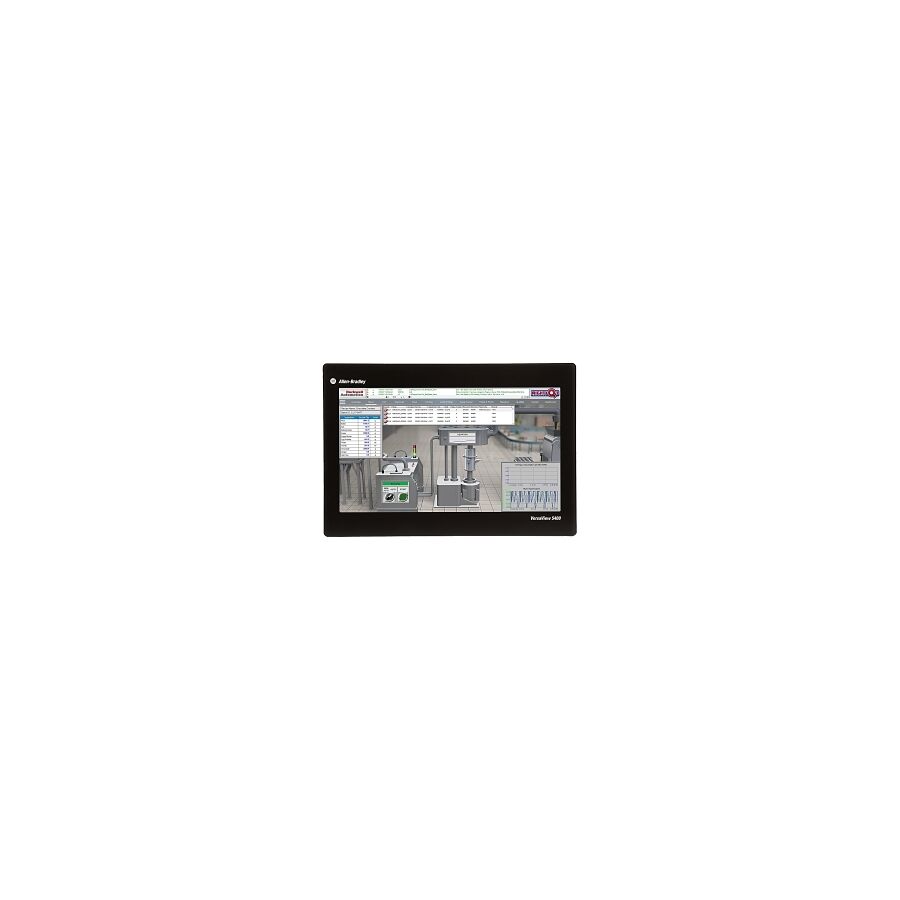
In modern Australian industry, the integration of Information Technology and Operational Technology defines productivity. From food processing plants in Victoria to mining operations in the Pilbara, automation systems rely on reliable human-machine interfaces. The Industrial Touch Screen PC acts as the visual and control gateway between operators and PLC-driven processes.
Unlike consumer-grade computers, industrial environments demand rugged hardware. Dust, vibration, moisture and extreme temperatures quickly destroy standard office equipment. Plastic enclosures crack, cooling fans ingest conductive dust and internal components fail.
An Industrial Touch Screen PC is engineered specifically for these conditions. It delivers reliable SCADA visualisation, real-time monitoring and machine control in environments where downtime is costly.
At SCHNAP Electric Products, we align with Australia’s growing demand for durable, compliant and high-performance automation infrastructure. Industrial PCs form part of that robust ecosystem.
The most critical difference between consumer hardware and industrial computing lies in the enclosure design. Standard PCs rely on active airflow for cooling. In industrial sites, airflow becomes a risk. Dust, oil mist and moisture enter through ventilation openings and cause corrosion or short circuits.
Industrial Touch Screen PCs use fanless thermal architecture. The chassis, typically constructed from finned aluminium, acts as a passive heat sink. Thermal energy is conducted away from the processor and dissipated externally.
This sealed design enables high ingress protection ratings such as IP65 or IP66. In washdown environments such as food and beverage facilities, front bezels may meet IP69K standards. This allows high-pressure and high-temperature cleaning without water penetration.
Sealed construction improves longevity and reduces maintenance requirements. Reliability under harsh Australian conditions is essential for continuous production.
Touch interface performance directly affects operator efficiency. Two dominant technologies exist in industrial applications: resistive and projected capacitive.
Resistive screens operate through pressure applied between two conductive layers. They are functional but have lower optical clarity and reduced durability.
Modern industrial systems favour Projected Capacitive technology, commonly known as PCAP. This technology supports multi-touch functionality and improved visual clarity.
Industrial PCAP screens are engineered differently from consumer versions. They are tuned to operate with gloves and in the presence of moisture. The firmware adjusts electromagnetic sensitivity to register input through protective gear.
The glass surface is chemically hardened, often rated at 7H hardness, to resist scratches from abrasive contaminants. For operators wearing gloves or working in damp conditions, this durability ensures consistent control.
Screen visibility is a key consideration in industrial settings. High-bay LED lighting and outdoor installations create glare and reflection challenges.
Standard screens operate around 250 nits brightness. Industrial units often provide 1000 nits or more for sunlight readability.
Optical bonding further enhances performance. This process removes the air gap between the LCD panel and touch glass by filling it with a transparent resin.
Eliminating this gap reduces internal reflection and parallax error. It also prevents condensation forming inside the display when temperature fluctuates between hot days and cold nights.
In regional Australian environments, where temperature extremes are common, optical bonding ensures long-term display clarity.
Industrial machinery generates vibration. Mechanical hard drives fail quickly under these conditions.
Industrial Touch Screen PCs use solid state storage. Industrial-grade SSDs have no moving parts and are often soldered directly to the board. This prevents connectors from loosening under vibration.
RAM modules are secured firmly to prevent data errors. The result is improved resistance to G-force and shock.
For mining operations, stamping presses and mobile machinery, this solid-state architecture ensures stable system operation and prevents data corruption.
Reliable storage protects SCADA configurations and production data.
Industrial power environments are rarely clean. Voltage spikes, sags and transient surges occur due to large inductive loads switching on and off.
Industrial PCs are designed with wide-range DC inputs and built-in surge protection. However, additional external protection improves resilience.
At SCHNAP Electric Products, we support complete installation integrity. DIN-rail surge diverters protect against transient events. DC UPS modules ensure graceful shutdown during blackouts, preventing database corruption and system crashes.
Reliable power management reduces downtime and protects critical automation infrastructure.
Proper installation ensures both ergonomics and protection. Industrial Touch Screen PCs are often mounted on control cabinets, swing arms or dedicated operator consoles.
Heavy-duty VESA mounts and articulated arms provide stable positioning without sagging. Secure mounting improves operator comfort and reduces mechanical stress.
Cable routing is equally important. Power, Ethernet and USB cables must be protected from washdown exposure and mechanical damage.
Flexible conduit and IP-rated cable glands seal cable entry points and maintain ingress protection integrity.
SCHNAP Electric Products provides supporting accessories that help electricians and automation integrators complete installations efficiently and safely.
Industrial automation systems require long lifecycle hardware. Consumer electronics change rapidly and may become obsolete within a year.
Industrial Touch Screen PCs are typically built on chipsets guaranteed for extended availability. Long lifecycle support ensures replacement parts remain available for five to seven years or more.
For plant managers and automation engineers, consistent hardware availability reduces re-engineering costs.
Sourcing through a specialised electrical wholesaler ensures verified compliance and reliable supply. SCHNAP supports trade professionals with dependable stock and responsive service.
Australia’s manufacturing, mining and food processing sectors depend on reliable automation. Industrial Touch Screen PCs bridge human operators and machine logic.
They provide visibility into production metrics, safety systems and quality control processes.
By combining fanless cooling, high ingress protection, durable touch interfaces and robust mounting solutions, these systems support continuous operation in harsh conditions.
SCHNAP Electric Products aligns with this demand for durability and performance. Our strategy focuses on supporting licensed electricians, automation contractors and project managers with reliable infrastructure components that simplify installation and enhance productivity.
The Industrial Touch Screen PC is not simply a display. It is a mission-critical automation interface engineered for resilience.
Through fanless thermal management, IP66 washdown protection, PCAP touch technology and solid-state reliability, it withstands the challenges of Australian industrial environments.
When supported by proper power protection, secure mounting and compliant installation practices, it delivers long-term performance and operational confidence.
At SCHNAP Electric Products, we support Australia’s industry with practical, durable and compliant solutions that help trade professionals complete projects on time and maintain reliability. In automation engineering, hardware resilience defines system success.

SCHNAP Electrical Wholesaler - clear, upfront pricing that professional electricians trust

Get what you need in seconds. SCHNAP electrical wholesaler makes ordering quick and simple

Fast delivery anywhere - that's guaranteed. SCHNAP electrical wholesalers ship nationwide with same-day dispatch

Track your order every step of the way. SCHNAP electrical wholesale keeps you updated from click to delivery

SCHNAP is Australia's premier electrical wholesaler and electrical supplies, marketing thousands of quality products from leading brands. Trusted for nearly two decades by licensed electricians, contractors, and engineers, our range covers everything from basic electrical components to complex industrial electrical equipment
Our key categories include: LED lighting, designer switches, commercial switchboards, circuit protection, security systems & CCTV, and smart home automation
All products are certified to Australian standards (AS/NZS), backed by our 30-day, no-questions-asked return policy. Our expert technical team helps you quickly source the right solution for any residential, commercial, or industrial project, with daily dispatch from our Sydney electrical warehouse delivering Australia-wide
SCHNAP offers the most comprehensive electrical product range, with full technical specifications, application details, installation requirements, compliance standards, and warranties — giving professionals total confidence in every purchase


Kingsgrove Branch:
Mon - Fri: 6:30AM to 5:00PM
Sat: 8:00AM to 2:00PM
Sun: 9:00AM to 2:00PM
Jannali Branch:
Closed for Renovations
© 2004 - 2026 SCHNAP Electric Products