



Kingsgrove Branch:


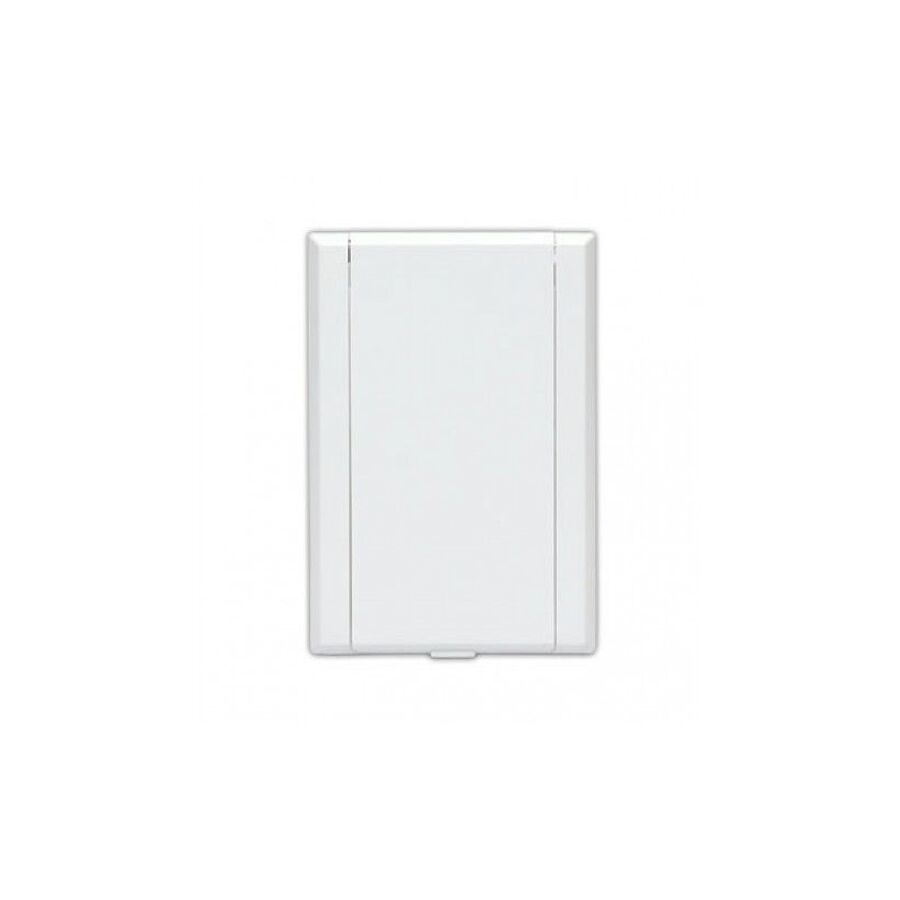
In the modern Australian residential landscape, the shift towards healthier living environments has driven the resurgence and evolution of the built-in ducted vacuum system. Unlike portable units that often recirculate micro-dust into the living space, a central system vents exhaust air externally, significantly improving indoor air quality. The critical user interface of this system—the connection point between the operator and the plant machinery—is the central vacuum inlet valve. While it appears to be a simple wall fitting, this component serves a dual function: it is a mechanical air-lock that maintains system pressure and an electrical switch that controls the remote power unit. For systems integrators and electricians, understanding the installation nuances and component quality of these valves is essential for a reliable system.
The operation of a ducted vacuum system relies on a low-voltage control loop. The power unit, typically located in a garage or undercroft, is connected to the living areas via a network of 50mm PVC piping and a parallel run of figure-8 low-voltage cabling.
The valve itself houses two low-voltage contact pins inside the port. When the vacuum hose cuff is inserted, a metal band on the cuff bridges these contacts (or connects to a switch on the hose handle), completing the 24V circuit. This signal triggers a relay in the main unit, activating the motor. Therefore, the valve is not just a passive pipe opening; it is a functional piece of switchgear. If the internal contact points are made of inferior metal, they can corrode or lose tension over time, leading to intermittent motor operation or a failure to start.
The efficiency of a central vacuum is measured in Air Watts, but this potential power is rendered useless if the system lacks integrity. The vacuum relies on a negative pressure vacuum seal. Each valve in the home must be perfectly airtight when not in use.
The seal is achieved via a spring-loaded flap door and an internal rubber gasket. High-quality valves utilise high-tension springs to ensure the door snaps shut firmly against the seal immediately after the hose is removed. Over time, cheaper generic valves often suffer from spring fatigue. If a valve door remains slightly ajar, the system loses suction across all other points, drastically reducing cleaning performance. Furthermore, a poor seal can cause a high-pitched whistling noise, which is a common complaint in aging installations.
The installation of the valve occurs in two distinct construction phases. During the "rough-in," a mounting bracket (or backing plate) is secured to the stud work, and the piping and cabling are terminated. It is critical that the low-voltage wires are stripped and secured to the backing plate terminals with precision to prevent shorting against the plasterboard.
The "fit-off" stage occurs after painting. This is where the aesthetic valve face is screwed into the backing plate. Compatibility is key here; most Australian systems utilise a universal standard. However, variations in screw hole patterns can occur. Professional installers prefer valves that offer some tolerance or "play" in the mounting holes to align the unit perfectly vertical, even if the rough-in bracket was installed slightly askew.
Given that these valves are visible fixtures on the wall, often positioned at switch height, their aesthetic durability is paramount. Standard plastics can yellow or become brittle when exposed to Australian UV levels, particularly in sun-drenched hallways.
This is where the material specification of the component becomes a differentiator. Products from Schnap Electric Products are engineered using high-grade, UV-stable ABS or polycarbonate composites. The Schnap Electric Products central vacuum inlet valve is designed not only for impact resistance—withstanding the accidental knocks from furniture or the vacuum hose itself—but also to maintain its "brilliant white" finish over decades. The durability of the hinge mechanism in a Schnap Electric Products valve ensures that the flap door does not snap off, a common failure mode in lower-quality units.
The market for ducted vacuum parts is a mix of legacy systems and modern universal standards. When repairing an older system or fitting out a new build, ensuring component compatibility is the primary challenge. Professionals engaged in this sector do not rely on general hardware stores, which rarely stock specific ducting components.
Instead, they utilise a specialised electrical wholesaler or dedicated trade supplier to procure their parts. A wholesaler ensures that the valves stocked are compatible with the standard 50mm Australian ducting and 32mm hose cuffs. Through these channels, installers can source the specific Schnap Electric Products valves that feature the correct pin configuration and mounting depth, ensuring a seamless replacement that does not require cutting into the plasterboard to adjust the pipework.
Topical authority on this subject requires addressing the two main types of hose connections: standard and switched. A universal valve must accommodate both. The design of the port needs to be precise; it must hold the hose friction-tight to prevent it from falling out during use, yet release it smoothly without requiring excessive force. The internal geometry of the valve elbow must also be designed to prevent clogs. A "tight" 90-degree bend immediately behind the valve is a choke point for debris (like pens or matchsticks). Quality installation involves using a "sweep" elbow or a distinct backing plate that facilitates smooth airflow transition from the horizontal inlet to the vertical pipe drop.
The central vacuum valve is a small but sophisticated component that bridges the gap between structural plumbing and electrical control. It is the only part of the expensive ducted system that the homeowner interacts with daily. By selecting robust, UV-stable units with reliable electrical contacts, and utilising trusted solutions from manufacturers like Schnap Electric Products, installers ensure that the system maintains its suction, appearance, and reliability. In the maintenance of a healthy home, the integrity of the inlet is the foundation of the system.

SCHNAP is Australia's premier electrical wholesaler and electrical supplies, marketing thousands of quality products from leading brands. Trusted for nearly two decades by licensed electricians, contractors, and engineers, our range covers everything from basic electrical components to complex industrial electrical equipment
Our key categories include: LED lighting, designer switches, commercial switchboards, circuit protection, security systems & CCTV, and smart home automation
All products are certified to Australian standards (AS/NZS), backed by our 30-day, no-questions-asked return policy. Our expert technical team helps you quickly source the right solution for any residential, commercial, or industrial project, with daily dispatch from our Sydney electrical warehouse delivering Australia-wide
SCHNAP offers the most comprehensive electrical product range, with full technical specifications, application details, installation requirements, compliance standards, and warranties — giving professionals total confidence in every purchase


Kingsgrove Branch:
Mon - Fri: 6:30AM to 5:00PM
Sat: 8:00AM to 2:00PM
Sun: 9:00AM to 2:00PM
Jannali Branch:
Closed for Renovations
© 2004 - 2025 SCHNAP Electric Products