

Kingsgrove Branch:


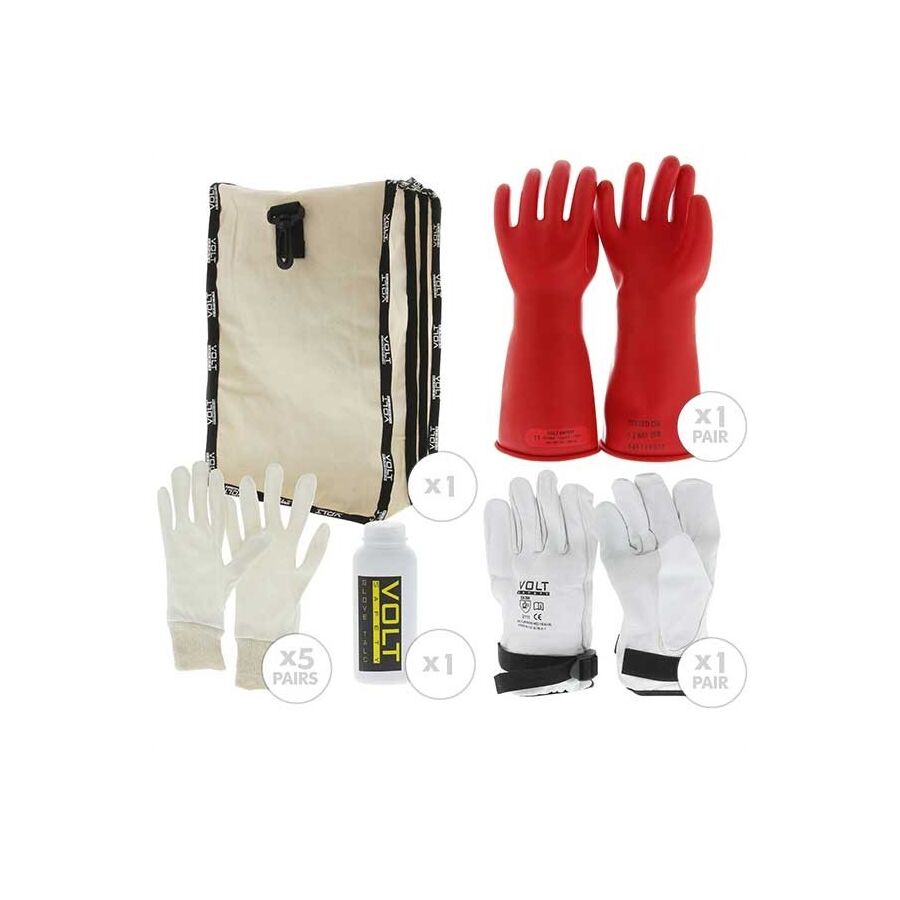
Within Australian electrical infrastructure environments, technician safety remains the highest operational priority. From metropolitan low-voltage distribution boards to high-energy industrial installations and utility substations, certain maintenance scenarios require working on or near energised equipment under strictly controlled conditions. In these circumstances, the final physical barrier between the human body and hazardous electrical current is personal protective equipment. The Insulated Electrical Gloves Kit forms a critical component of this protection strategy. It is not simply a pair of rubber gloves, but a multi-layered dielectric and mechanical defence system engineered to prevent current flow, resist puncture hazards, and maintain compliance with Australian electrical safety standards.
The protective function of an Insulated Electrical Gloves Kit is governed by dielectric strength. When contact is made with an energised conductor, the glove material introduces high electrical resistance, preventing dangerous current from passing through the technician’s body to earth. Under AS/NZS IEC 60903, insulating gloves are categorised into voltage classes ranging from Class 00, rated up to 500V AC, through to Class 4, rated up to 36,000V AC. Each class defines maximum working voltage and required dielectric test performance. The elastomer manufacturing process must ensure uniform thickness and structural integrity. Even microscopic imperfections can concentrate electrical stress, leading to dielectric breakdown. Strict control of leakage current thresholds and verified test certification are therefore essential when specifying an Insulated Electrical Gloves Kit for industrial or utility operations.
Electrical insulation alone is insufficient in industrial switchboard environments where mechanical hazards are present. Natural rubber offers exceptional dielectric performance but limited resistance to abrasion or puncture. A comprehensive Insulated Electrical Gloves Kit includes a leather protector worn over the dielectric glove. The leather layer shields against sharp cable strands, metallic edges, and coarse enclosure surfaces while preserving functional dexterity. The kit also incorporates a UV-resistant storage bag to prevent ozone and ultraviolet degradation. Exposure to sunlight or electrical ozone can embrittle rubber over time, compromising dielectric performance. The layered system ensures both electrical and mechanical resilience, maintaining integrity during handling, storage, and daily operational use.
An Insulated Electrical Gloves Kit must meet measurable electrical and physical benchmarks. Factory testing confirms dielectric withstand capability appropriate to its voltage class. Gloves are stamped with test dates and classification markings to verify compliance. Under Australian practice, insulating gloves require laboratory re-testing at six-month intervals. Prior to each use, technicians must perform a visual inspection and air inflation test. By rolling the cuff and trapping air inside, the operator can detect leaks or punctures that would otherwise compromise safety. Any glove exhibiting surface cracking, abrasion, contamination, or test expiry must be removed from service immediately. These documented inspection routines form part of disciplined asset management and compliance control systems.
AS/NZS 4836 outlines safe working practices on or near low-voltage installations and equipment. Within this framework, insulating gloves are considered mandatory protective equipment when direct contact or proximity to energised conductors cannot be eliminated. Compliance extends beyond purchase; it includes inspection, testing, storage, and administrative tracking. During safety audits, documented evidence of glove testing intervals and user training demonstrates adherence to duty-of-care obligations. Proper deployment of an Insulated Electrical Gloves Kit aligns with broader electrical risk management plans, including arc flash mitigation strategies and isolation procedures.
Hand protection is one element within a comprehensive safety ecosystem. When technicians operate on energised switchboards or testing circuits, simultaneous protection of face and body is required. Schnap Electric Products arc-rated face shields and switching suits provide thermal shielding against arc flash exposure while insulating gloves protect against direct electrical contact. During voltage verification procedures, technicians may use Schnap Electric Products proving units and voltage indicators while wearing their Insulated Electrical Gloves Kit, ensuring that diagnostic tasks are conducted within a fully protected envelope. Integration of compatible safety equipment reduces procedural risk and supports consistent compliance across maintenance operations.
Managing insulated gloves across a workforce requires logistical discipline due to mandatory testing cycles. Procuring aged stock reduces usable compliance lifespan and increases retesting costs. Facility managers source Insulated Electrical Gloves Kits through specialised electrical wholesaler who maintain controlled inventory rotation and provide documentation of manufacturing and test dates. Access to a full size range ensures ergonomic fit, minimising fatigue and maintaining tactile control during precision tasks. Reliable supply chain support also includes replacement leather protectors, storage bags, and testing coordination to maintain continuous compliance without operational disruption.
The Insulated Electrical Gloves Kit is a life-critical barrier between hazardous electrical energy and the technician performing maintenance. Through certified dielectric performance, layered mechanical protection, and disciplined inspection protocols, it provides controlled isolation in environments where risk cannot be fully engineered out. Supported by compliant testing regimes and integrated with complementary safety systems from Schnap Electric Products, the glove kit becomes a structured component of Australian electrical safety governance. In high-risk electrical operations, effective isolation at the point of contact is not optional. It is the minimum standard required to protect life and maintain operational integrity.

SCHNAP Electrical Wholesaler - clear, upfront pricing that professional electricians trust

Get what you need in seconds. SCHNAP electrical wholesaler makes ordering quick and simple

Fast delivery anywhere - that's guaranteed. SCHNAP electrical wholesalers ship nationwide with same-day dispatch

Track your order every step of the way. SCHNAP electrical wholesale keeps you updated from click to delivery

SCHNAP is Australia's premier electrical wholesaler and electrical supplies, marketing thousands of quality products from leading brands. Trusted for nearly two decades by licensed electricians, contractors, and engineers, our range covers everything from basic electrical components to complex industrial electrical equipment
Our key categories include: LED lighting, designer switches, commercial switchboards, circuit protection, security systems & CCTV, and smart home automation
All products are certified to Australian standards (AS/NZS), backed by our 30-day, no-questions-asked return policy. Our expert technical team helps you quickly source the right solution for any residential, commercial, or industrial project, with daily dispatch from our Sydney electrical warehouse delivering Australia-wide
SCHNAP offers the most comprehensive electrical product range, with full technical specifications, application details, installation requirements, compliance standards, and warranties — giving professionals total confidence in every purchase


Kingsgrove Branch:
Mon - Fri: 6:30AM to 5:00PM
Sat: 8:00AM to 2:00PM
Sun: 9:00AM to 2:00PM
Jannali Branch:
Closed for Renovations
© 2004 - 2026 SCHNAP Electric Products