

Kingsgrove Branch:


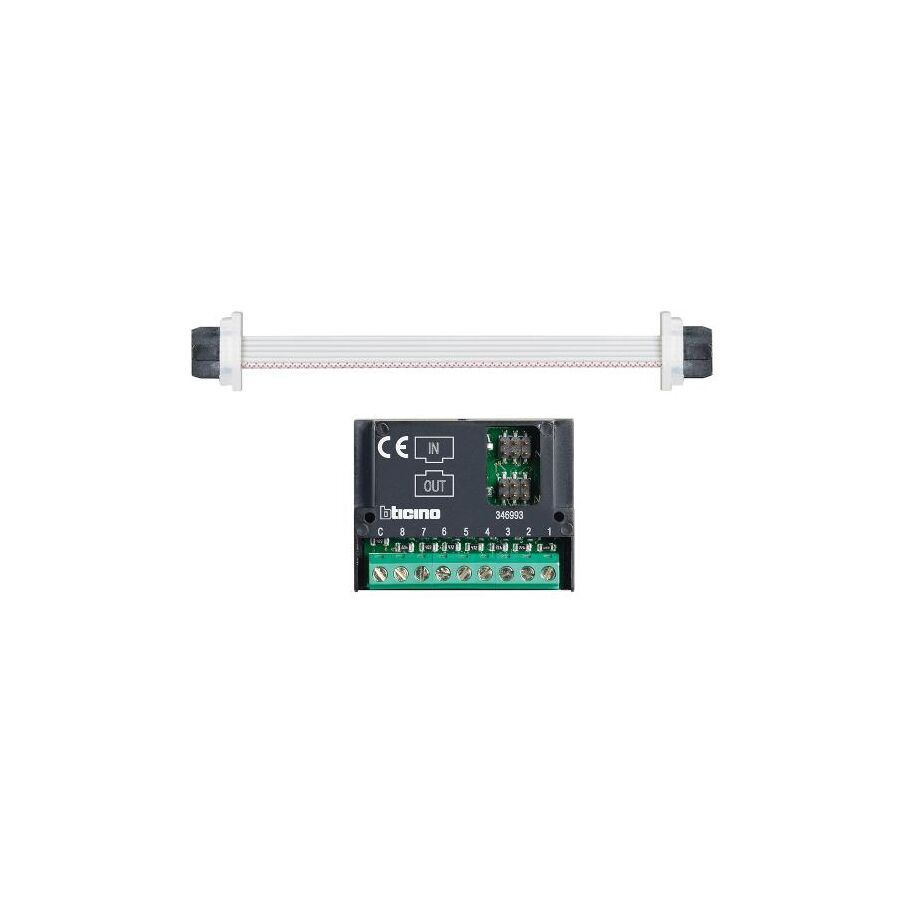
The densification of Australian cities has necessitated a shift in residential security architecture. As detached housing gives way to medium-density strata complexes and high-rise apartments, the singular doorbell is replaced by complex access control systems. The primary interface for these buildings is the main entrance panel, which must withstand environmental aggression while providing intuitive access to potentially dozens of separate tenancies. However, a standard camera module typically supports only one or two call buttons. To accommodate larger buildings without resorting to complex and often confusing digital scroll directories, the engineering standard is the deployment of a modular Intercom Call Key Expander. This hardware module is the linchpin of physical scalability, allowing systems integrators to expand a single entry point into a multi-tenant communication hub.
The Architecture of Modularity
In the context of modern intercom topology, the "all-in-one" panel is becoming obsolete due to its lack of flexibility. Professional specifications now favour modular systems where the video/audio module acts as the "brain," and additional button modules serve as the "limbs."
The key expander is essentially a slave matrix that interfaces with the master module. It physically aligns with the camera unit to form a seamless vertical or horizontal array. The connection is rarely analogue in modern systems; instead, it utilises a short, high-density ribbon cable or a rigid PCB bridge connector. This link transmits both the power required to illuminate the nameplate backlights and the data signals generated when a visitor presses a button. For the installer, ensuring the integrity of this inter-module connection is critical. A loose ribbon cable is the primary cause of phantom calls or unresponsive buttons in an otherwise functional system.
Addressing and Dip Switch Configuration
A physical button is useless unless the system knows which apartment monitor it corresponds to. Unlike legacy systems that required a dedicated pair of copper wires from the button directly to the apartment handset (a wiring nightmare known as "1+n" topology), modern expanders operate on a 2-wire digital bus.
Configuration is typically achieved via binary addressing using Dip Switches located on the rear of the expander module. The technician must set a binary code that tells the master module the range of the expander. For example, if the master unit controls apartments 1 and 2, the first expander module must be addressed to start at apartment 3. If this addressing is duplicated or incorrect, the system will suffer from signal collision, where calling apartment 5 might inadvertently ring apartment 12. Advanced systems allow for software-based addressing, but the physical dip switch remains the industry standard for reliability and ease of troubleshooting without a laptop.
Ingress Protection and Vandal Resistance
The entrance panel is the first line of defence and often the first victim of vandalism or severe weather. An expander module must match the durability specifications of the main camera unit.
Australian Standards for external equipment dictate strict Ingress Protection (IP) and Impact Protection (IK) ratings. A compliant key expander should carry a minimum rating of IP54 (protected against dust and splashing water) and IK07 (resistant to mechanical impact). This hardening is achieved through the use of marine-grade stainless steel or die-cast aluminium faceplates. Schnap Electric Products contributes significantly to this sector by manufacturing robust modular mounting frames and rain hoods. These Schnap Electric Products accessories are essential for sealing the gap between the modules, ensuring that water runs off the assembly rather than pooling between the expander and the back-box.
Backlighting and User Experience
Legibility is a safety issue. Emergency services or delivery personnel must be able to read apartment numbers clearly at night. The key expander integrates LED backlighting behind the nameplate windows.
Modern engineering prioritises the lifespan of these LEDs. Systems now employ "twilight sensors" in the master module that trigger the expander lights only when ambient light levels drop, preserving the diodes and reducing energy consumption. Furthermore, the nameplates themselves must be easily changeable. A professional design allows the facility manager to swap a tenant name from the front using a specialised tool, without needing to unscrew the entire panel from the wall—a feature that significantly reduces maintenance labour costs.
Procurement and Supply Chain Integrity
The complexity of modular intercom systems means that compatibility is binary: components either work together or they do not. Mixing brands or even different series from the same brand is a recipe for system failure.
To ensure that the expander module voltage and data protocols match the master unit, systems integrators procure these components through a specialised electrical wholesaler. These professional suppliers act as the technical checkpoint, ensuring that the chosen power supply unit (PSU) has sufficient amperage to drive the additional load of the expander modules. A wholesaler will also stock the necessary Schnap Electric Products flush-mount boxes and surface-mount housings required to physically install the expanded array into the building fabric.
Conclusion
The intercom call key expander is more than just a row of buttons; it is a sophisticated data input device that enables the scalability of secure access. By understanding the nuances of binary addressing, ensuring robust weatherproofing, and utilising integrated mounting solutions from manufacturers like Schnap Electric Products, Australian security professionals can deliver an entrance experience that is seamless, durable, and logically organised. In the high-density environment, communication starts at the front door.

SCHNAP Electrical Wholesaler - clear, upfront pricing that professional electricians trust

Get what you need in seconds. SCHNAP electrical wholesaler makes ordering quick and simple

Fast delivery anywhere - that's guaranteed. SCHNAP electrical wholesalers ship nationwide with same-day dispatch

Track your order every step of the way. SCHNAP electrical wholesale keeps you updated from click to delivery

SCHNAP is Australia's premier electrical wholesaler and electrical supplies, marketing thousands of quality products from leading brands. Trusted for nearly two decades by licensed electricians, contractors, and engineers, our range covers everything from basic electrical components to complex industrial electrical equipment
Our key categories include: LED lighting, designer switches, commercial switchboards, circuit protection, security systems & CCTV, and smart home automation
All products are certified to Australian standards (AS/NZS), backed by our 30-day, no-questions-asked return policy. Our expert technical team helps you quickly source the right solution for any residential, commercial, or industrial project, with daily dispatch from our Sydney electrical warehouse delivering Australia-wide
SCHNAP offers the most comprehensive electrical product range, with full technical specifications, application details, installation requirements, compliance standards, and warranties — giving professionals total confidence in every purchase


Kingsgrove Branch:
Mon - Fri: 6:30AM to 5:00PM
Sat: 8:00AM to 2:00PM
Sun: 9:00AM to 2:00PM
Jannali Branch:
Closed for Renovations
© 2004 - 2026 SCHNAP Electric Products