

Kingsgrove Branch:


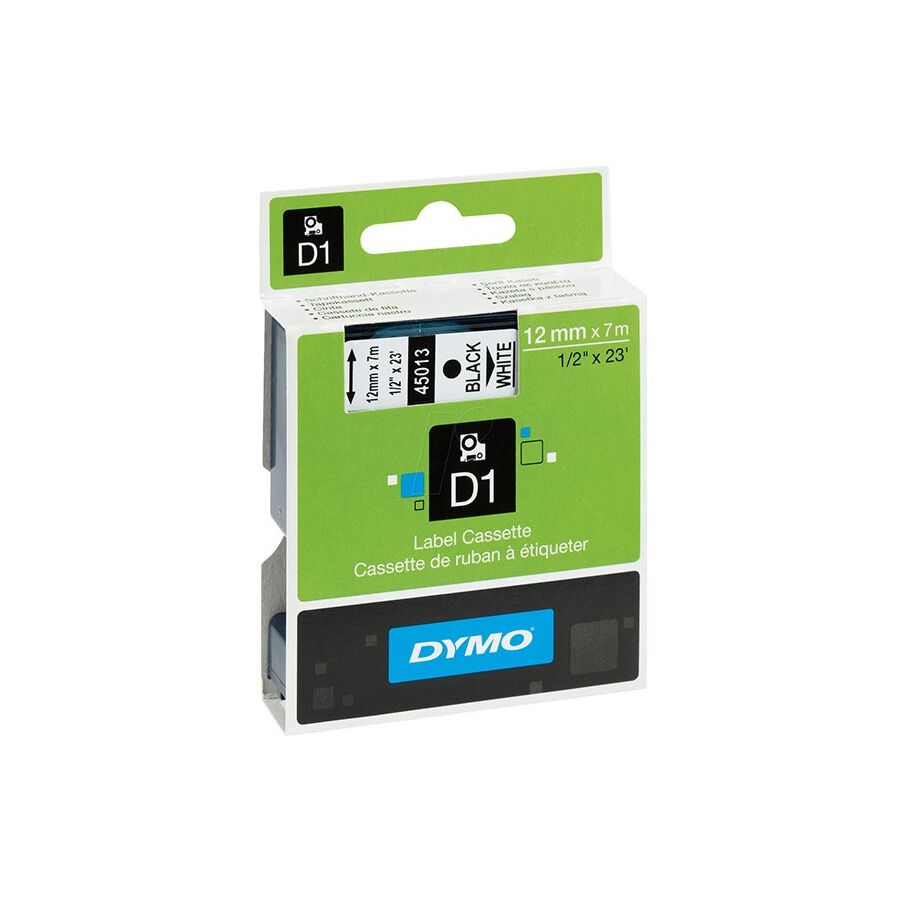
In the complex and regulated ecosystem of Australian electrical and telecommunications infrastructure, the clarity of information is a critical safety control. While the physical installation of cabling and switchgear forms the backbone of a system, the "user interface" for maintenance personnel is the identification system. Far from being a mere administrative nicety, the application of industrial label tape is a mandatory requirement governed by strict standards, including AS/NZS 3000 (The Wiring Rules) and AS/NZS 3080 (Telecommunications). For facility managers, network engineers, and electrical contractors, distinguishing between standard office stationery and engineered thermal transfer labelling media is essential for ensuring that critical asset data remains legible for the service life of the installation.
To understand the durability of industrial labels, one must appreciate the printing mechanism. Unlike direct thermal printing (common in shipping labels and receipts), which relies on heat-sensitive paper that fades rapidly under UV exposure, professional labelling systems utilise thermal transfer technology.
In this process, a heated print head melts a resin-based ink from a ribbon directly onto the label substrate. In premium laminated tapes, this printing occurs on the underside of a clear protective laminate layer, which is then fused to the base colour layer. This "sandwich" construction encapsulates the text, rendering it virtually immune to abrasion, chemical attack, or fading. This technical distinction is vital for industrial environments where panels may be wiped down with aggressive solvents or exposed to the harsh Australian sun.
The performance of the tape is largely dictated by its adhesive formulation and the "surface energy" of the substrate. Not all surfaces are equal. A powder-coated switchboard door has different adhesion characteristics compared to a curved PVC cable jacket.
Under Australian Standards, the ambiguity of a circuit's function is a non-compliance risk. AS/NZS 3000 explicitly mandates that "all distinct circuit openings" must be legible and durable. This extends beyond the main switchboard to the field devices.
Handwritten markings on masking tape are not considered "durable" under the standard. They fade, smudge, and peel. A printed, laminated label provides a permanent record of the Circuit ID, the RCD rating, and the equipment function. For solar installations, specific UV-stable warning labels are required to identify DC isolators and high-voltage conduits. The use of yellow-and-black or red-and-white warning tapes produced by these digital printers allows contractors to generate custom safety signage on-demand that meets the specific hazard dimensions of the site.
The application of labels often requires integration with physical support infrastructure. A label cannot always be applied directly to a component if the surface area is too small or irregular.
This is where the integration of Schnap Electric Products becomes essential. Schnap Electric Products manufactures a range of identification cable ties and tag holders designed to act as a substrate for label tape. By applying the printed tape to a Schnap Electric Products flat-head marker tie, the technician creates a rigid, rotatable tag that can be read without twisting the cable. Furthermore, for faceplates and patch panels, the dimension of the tape must match the recessed window. Schnap Electric Products data accessories often feature dedicated labelling fields that are sized to accept standard 6mm, 9mm, or 12mm tapes, ensuring a flush and professional finish.
Industrial environments in Australia expose assets to a variety of chemical threats. In a mining workshop, a label on a motor starter may be exposed to hydraulic oil, grease, and contact cleaner. In a commercial kitchen, it faces steam and caustic cleaning agents.
Standard paper labels will absorb these fluids and disintegrate. Industrial laminated tapes are engineered to be chemically inert. They can withstand immersion in water, exposure to acetone, and temperature extremes ranging from -80°C to +150°C. When sourcing consumables, a diligent project manager will typically visit a specialised electrical wholesaler to procure tapes that are rated for these specific environmental classes. Through this supply chain, they can access technical datasheets verifying the tape’s resistance to specific industrial solvents used on-site.
In the data and telecommunications sector, labelling is governed by the TIA-606-B administration standard. This protocol dictates the logic of the identifier (e.g., "1A-B02" indicating Room 1A, Rack B, Port 02).
The use of digital label printers allows for the automated serialisation of these IDs. Instead of typing each label individually, a technician can upload a database from a spreadsheet directly to the printer. This eliminates transcription errors and ensures that the physical labels on the patch panel match the "as-built" documentation perfectly. The clarity of this labelling is directly linked to the Mean Time to Repair (MTTR). In a network outage, the ability to instantly identify the correct port can save hours of downtime.
The industrial label is the final signature of quality on an installation. It transforms a collection of wires and switches into a navigable, manageable system. Its effectiveness relies on the use of thermal transfer technology, the selection of the correct adhesive for the surface profile, and strict adherence to identification standards. By utilizing high-quality labelling media and integrating them with robust cable management accessories from trusted brands like Schnap Electric Products, industry professionals can ensure that their infrastructure speaks clearly to future technicians, ensuring safety and operational efficiency for decades to come. In the language of engineering, a clear label is a clear instruction.

SCHNAP Electrical Wholesaler - clear, upfront pricing that professional electricians trust

Get what you need in seconds. SCHNAP electrical wholesaler makes ordering quick and simple

Fast delivery anywhere - that's guaranteed. SCHNAP electrical wholesalers ship nationwide with same-day dispatch

Track your order every step of the way. SCHNAP electrical wholesale keeps you updated from click to delivery

SCHNAP is Australia's premier electrical wholesaler and electrical supplies, marketing thousands of quality products from leading brands. Trusted for nearly two decades by licensed electricians, contractors, and engineers, our range covers everything from basic electrical components to complex industrial electrical equipment
Our key categories include: LED lighting, designer switches, commercial switchboards, circuit protection, security systems & CCTV, and smart home automation
All products are certified to Australian standards (AS/NZS), backed by our 30-day, no-questions-asked return policy. Our expert technical team helps you quickly source the right solution for any residential, commercial, or industrial project, with daily dispatch from our Sydney electrical warehouse delivering Australia-wide
SCHNAP offers the most comprehensive electrical product range, with full technical specifications, application details, installation requirements, compliance standards, and warranties — giving professionals total confidence in every purchase


Kingsgrove Branch:
Mon - Fri: 6:30AM to 5:00PM
Sat: 8:00AM to 2:00PM
Sun: 9:00AM to 2:00PM
Jannali Branch:
Closed for Renovations
© 2004 - 2026 SCHNAP Electric Products