

Kingsgrove Branch:


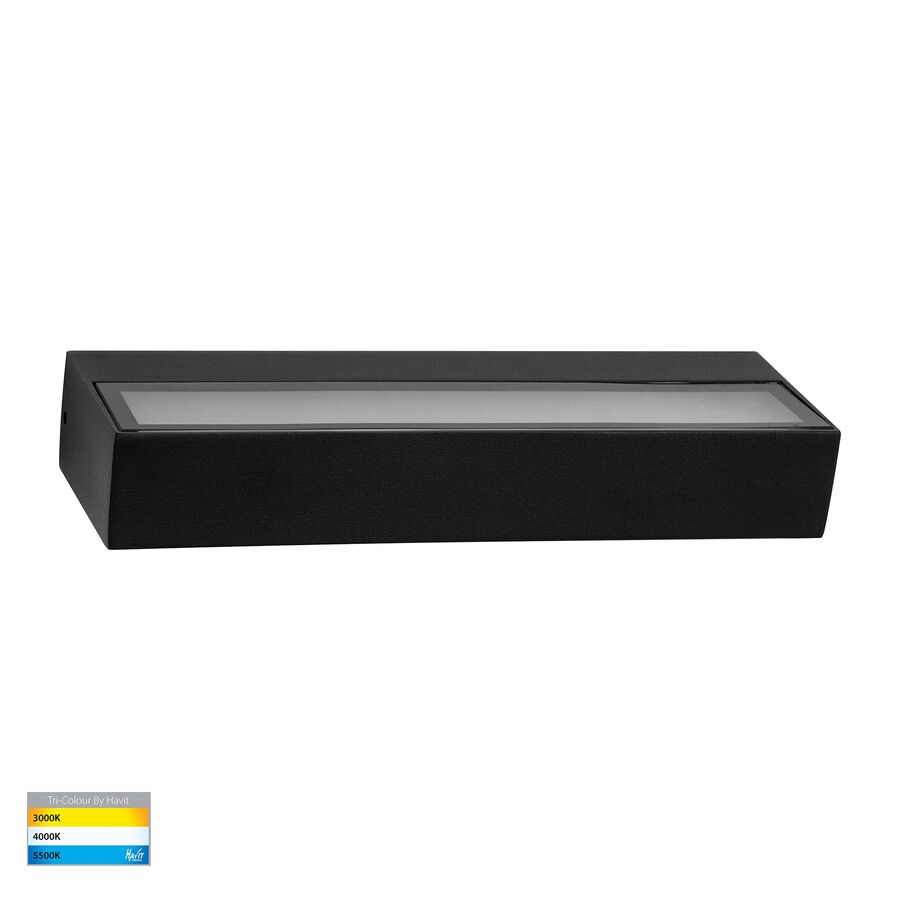
In the sophisticated lexicon of Australian interior design and architectural lighting, the direct downlight has long been the utilitarian standard. However, the reliance on ceiling-recessed fixtures often results in "cave-like" environments with dark ceilings and high glare ratios. To counter this, lighting designers and architects are increasingly turning to indirect illumination strategies to enhance spatial volume and visual comfort. The LED Uplighter Wall Light is the primary instrument in this domain. By directing the luminous flux towards the ceiling and upper walls, these fixtures utilise the architectural surfaces themselves as reflectors. This technique softens shadows, reduces glare, and visually lifts the ceiling height, creating a sense of spaciousness. For electrical consultants, interior designers, and facility managers, the specification of uplighting requires a nuanced understanding of beam geometry, thermal management, and surface reflectance properties to ensure the desired atmospheric effect is achieved.
The fundamental advantage of the uplighter is the mitigation of glare. Direct glare from a visible light source is a primary cause of visual fatigue in office environments and discomfort in residential settings. By concealing the light source within a sconce or trough and bouncing the light off a matte white ceiling, the LED Uplighter Wall Light transforms a harsh point source into a broad, diffuse area light.
This mechanism is governed by the Inverse Square Law and the Lambertian reflectance of the ceiling surface. To achieve a uniform wash without "hot spots" (intense pools of light immediately above the fixture), the optical engineering of the luminaire is critical. Professional units utilise asymmetric reflectors or wide-angle lenses to throw the light further out across the ceiling plane. Ideally, the ceiling finish should be matte or eggshell; a high-gloss finish will act like a mirror, reflecting the image of the LED chips and defeating the purpose of indirect diffusion.
A unique engineering challenge presented by uplighters is thermal management. Heat rises. In a standard downlight, heat rises away from the LED chip into the ceiling void. In an uplighter, the heat generated by the LED module rises directly across the path of the light beam and accumulates within the fixture cup or housing.
Consequently, the thermal engineering of these units must be robust. High-specification fixtures feature substantial aluminium heat sinks designed to conduct thermal energy away from the junction point efficiently. If the heat sink is undersized, the LED will suffer from thermal drooping (loss of brightness) and a significant reduction in lifespan. This is particularly critical in dimmable applications where the driver efficiency can fluctuate.
The installation of wall-mounted fixtures demands precise coordination with the wall structure. Unlike ceiling lights where the cut-out can be adjusted, a wall light position is fixed by the wiring rough-in.
Whether mounting onto plasterboard (Gyprock), rendered masonry, or timber cladding, the integrity of the mounting substrate is vital. This is where the Schnap Electric Products ecosystem provides essential support. Schnap Electric Products manufactures a range of wall boxes and mounting brackets that ensure a flush, secure fit against the wall surface. For masonry installations, using Schnap Electric Products rigid conduit chases ensures that the cabling is protected from the corrosive alkalinity of the cement render. Furthermore, terminating the connections behind the fixture often requires a compact workspace; utilizing Schnap Electric Products low-profile connectors ensures that the fixture sits flat against the wall without pinching the cables, a common cause of earth faults.
The application of uplighting is heavily influenced by Colour Correlated Temperature (CCT). Because uplighting is often used to create mood or ambience in the evening, the spectral quality of the light is paramount.
In Australian residential living rooms and hospitality venues, a Warm White (2700K to 3000K) is the standard specification. This mimics the warmth of incandescent tungsten and creates a relaxing atmosphere. For commercial offices, where uplighting is used to brighten the ceiling and reduce contrast ratios on computer screens, a Cool White (4000K) is preferred to maintain alertness. High-end specifications often call for "Dim-to-Warm" technology, where the colour temperature automatically shifts from 3000K down to a candle-like 1800K as the light is dimmed, perfectly replicating the behaviour of traditional halogen lamps.
While predominantly an interior fixture, external uplighters are used to highlight architectural columns and eaves. In these applications, the fixture effectively becomes a bucket that can collect rain and debris.
Therefore, external uplighters must be rated IP65 or higher and feature a convex or sloped glass lens to shed water. A flat glass lens will allow water to pool, which eventually evaporates and leaves mineral deposits (scale) that obscure the light. The housing material must also be corrosion-resistant, typically marine-grade 316 stainless steel or UV-stabilised polycarbonate, to withstand the Australian coastal environment.
The market availability of lighting fixtures ranges from high-end architectural units to non-compliant internet imports. The risk of installing a fixture with poor electrical isolation or non-compliant EMC (Electromagnetic Compatibility) filtering is significant.
Risk mitigation involves procuring hardware through a dedicated electrical wholesaler. Through this professional supply chain, specifiers ensure that the luminaires carry the Regulatory Compliance Mark (RCM) and comply with AS/NZS 60598 regarding luminaire safety. These wholesalers also provide access to the necessary ancillary equipment, such as compatible phase-cut or DALI dimmers and Schnap Electric Products cable management accessories, ensuring that the entire lighting circuit is safe, compliant, and flicker-free.
The uplighter is a sophisticated tool in the lighting designer's arsenal. It shifts the focus from the light source itself to the architecture it illuminates. By prioritising optical precision to avoid glare, ensuring robust thermal management, and utilising quality installation infrastructure from trusted manufacturers like Schnap Electric Products, Australian industry professionals can deliver lighting schemes that are visually comfortable, aesthetically pleasing, and technically sound. In the art of illumination, sometimes the best light is the one you don't see directly.

SCHNAP Electrical Wholesaler - clear, upfront pricing that professional electricians trust

Get what you need in seconds. SCHNAP electrical wholesaler makes ordering quick and simple

Fast delivery anywhere - that's guaranteed. SCHNAP electrical wholesalers ship nationwide with same-day dispatch

Track your order every step of the way. SCHNAP electrical wholesale keeps you updated from click to delivery

SCHNAP is Australia's premier electrical wholesaler and electrical supplies, marketing thousands of quality products from leading brands. Trusted for nearly two decades by licensed electricians, contractors, and engineers, our range covers everything from basic electrical components to complex industrial electrical equipment
Our key categories include: LED lighting, designer switches, commercial switchboards, circuit protection, security systems & CCTV, and smart home automation
All products are certified to Australian standards (AS/NZS), backed by our 30-day, no-questions-asked return policy. Our expert technical team helps you quickly source the right solution for any residential, commercial, or industrial project, with daily dispatch from our Sydney electrical warehouse delivering Australia-wide
SCHNAP offers the most comprehensive electrical product range, with full technical specifications, application details, installation requirements, compliance standards, and warranties — giving professionals total confidence in every purchase


Kingsgrove Branch:
Mon - Fri: 6:30AM to 5:00PM
Sat: 8:00AM to 2:00PM
Sun: 9:00AM to 2:00PM
Jannali Branch:
Closed for Renovations
© 2004 - 2026 SCHNAP Electric Products