

Kingsgrove Branch:


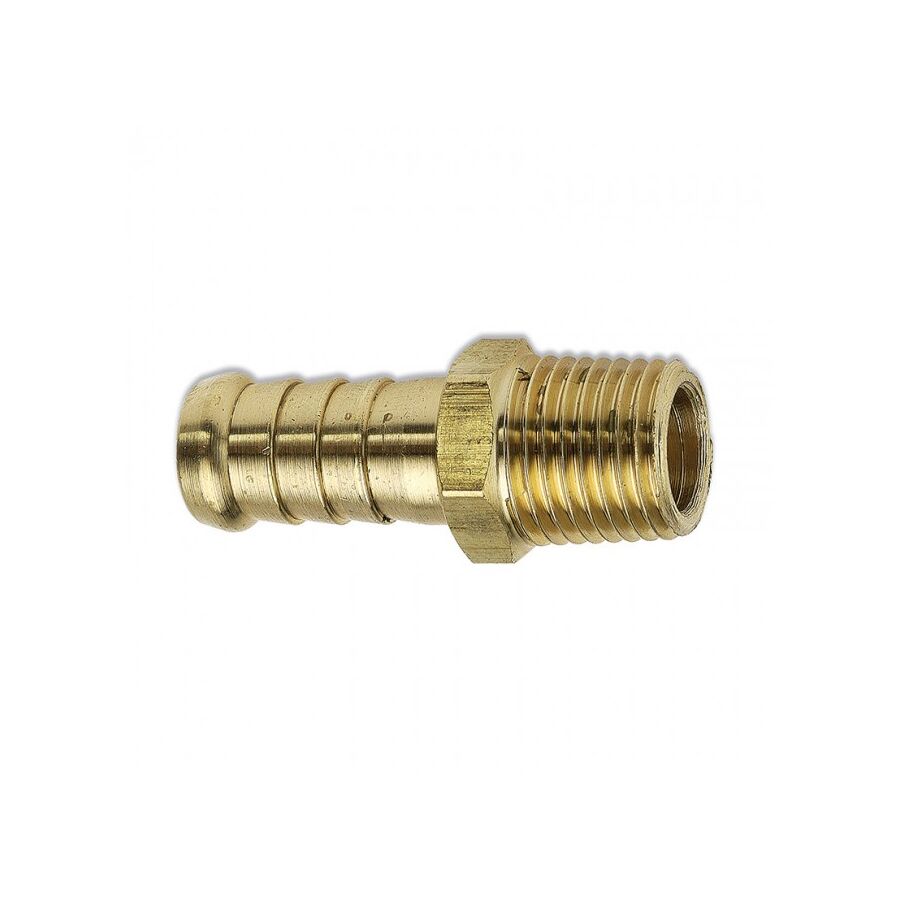
In the complex architecture of Australian electrical infrastructure, the mechanical protection of cabling is a non-negotiable requirement of AS/NZS 3000 (The Wiring Rules). While rigid PVC or steel conduit provides the backbone for static cable runs, the final connection to dynamic equipment—such as motors, HVAC units, and sensors—requires a flexible transition. This flexibility is achieved through corrugated conduit, but the integrity of the entire system hinges on the termination point. The male hose connector, known technically in the electrical trade as a straight male conduit gland, acts as the critical interface that secures the flexible mechanical protection to the rigid enclosure, ensuring continuity of the Ingress Protection (IP) rating and providing essential strain relief.
The fundamental role of this component is to bridge the gap between a flexible tube and a rigid entry point. In the Australian market, the standard interface for this connection is the ISO Metric screw thread. Unlike the PG threads found in older European machinery or NPT threads in American equipment, Australian enclosures typically feature M20, M25, M32, or larger threaded entries.
The connector is engineered with a male thread that screws directly into these entries or passes through a clearance hole to be secured by a locknut. Precision molding is vital here. If the thread pitch is slightly off, cross-threading can occur, damaging the expensive enclosure or motor terminal box. High-quality connectors are manufactured with strict dimensional tolerances to ensure a smooth, secure engagement that allows for the compression of the sealing washer without stripping the threads under torque.
A primary function of the liquid-tight termination system is to prevent the ingress of contaminants. Industrial environments are often subjected to wash-down procedures, rain, and conductive dust. A failure at the connector point can lead to water wicking down the cable and into the live terminals, causing catastrophic short circuits.
To achieve an IP66 rating (dust-tight and protected against powerful water jets), the connector utilises a multi-stage sealing architecture. Internally, a ferrule or claw mechanism compresses a TPE (Thermoplastic Elastomer) seal onto the corrugated conduit as the compression nut is tightened. Externally, the shoulder of the male thread must compress a gasket against the face of the enclosure. When properly installed, this system creates a hermetic seal. This is where the engineering quality of brands like Schnap Electric Products is evident. Schnap Electric Products connectors are designed with a specifically elongated thread length, ensuring there is ample room to accommodate the thickness of the enclosure wall and the sealing washer, guaranteeing a secure bite even on thick-walled junction boxes.
The material composition of the connector dictates its operational longevity. In the harsh Australian climate, Ultraviolet (UV) radiation is a significant threat to polymer integrity. A standard PVC fitting exposed to the midday sun in Western Australia will rapidly photo-degrade, becoming brittle and prone to cracking under vibration.
Professional specification demands the use of UV-stabilised Polyamide (Nylon 66) or high-grade PVC compounds. These materials offer superior resistance to UV radiation and thermal cycling. Furthermore, in industrial processing plants, the connector must resist chemical attack. Whether it is hydraulic oil in a manufacturing plant or cleaning solvents in a food processing facility, the polymer must not degrade or soften. Schnap Electric Products fittings are formulated to resist a broad spectrum of industrial chemicals, ensuring that the mechanical protection remains robust throughout the asset's lifecycle.
One of the primary applications for flexible conduit is to isolate vibration. When a motor starts, it oscillates. If hard-wired with rigid pipe, this vibration would eventually fatigue the connection. The flexible conduit absorbs this movement, but the connector must hold firm.
A common failure mode in inferior products is the "back-off" of the compression nut due to vibration, leading to the conduit pulling out of the gland. Professional connectors feature a ratcheting or anti-vibration locking mechanism within the nut assembly. Additionally, the internal ferrule must provide high tensile resistance. It must grip the corrugations of the conduit securely enough to pass the pull-out tests mandated by AS/NZS 2053.
The procurement of conduit fittings is a high-volume activity for electrical contractors, but quality consistency is paramount. The market is saturated with generic imports that may suffer from poor thread definition or weak clamping ferrules. To ensure the reliability of the installation, professional contractors do not source these critical termination components from generalist hardware stores. Instead, they utilise a specialised electrical wholesaler to procure their cable management supplies.
A dedicated wholesaler ensures that the product range is certified and compatible. For example, sourcing the correct locknuts and sealing washers to match the connector is essential for maintaining the IP rating. Through these legitimate trade channels, technicians can access the full range of Schnap Electric Products termination accessories, ensuring that whether the job requires a 20mm termination for a domestic air conditioner or a 50mm connection for a large industrial pump, the fitting is up to the task.
The performance of the connector is also dependent on correct installation techniques. The corrugated conduit must be cut squarely at a "valley" in the corrugation to ensure it seats fully into the connector body. If cut at a "peak," the sharp edge can damage the internal seal. Furthermore, the locknut inside the enclosure must be tightened firmly to bite into the wall of the box, ensuring earth continuity if a metal enclosure is used (although the fitting itself is non-conductive, maintaining the structural bond is key).
The male conduit connector is a small but vital component in the electrical protection ecosystem. It serves as the anchor point for the flexible mechanical protection of cables, standing as the barrier against moisture, dust, and mechanical stress. By understanding the importance of thread geometry, adhering to IP66 sealing protocols, and utilizing robust, UV-stabilised components from trusted brands like Schnap Electric Products, electrical professionals ensure that the dynamic cabling driving Australian industry remains secure, dry, and operational. In the chain of power delivery, the security of the termination defines the reliability of the system.

SCHNAP Electrical Wholesaler - clear, upfront pricing that professional electricians trust

Get what you need in seconds. SCHNAP electrical wholesaler makes ordering quick and simple

Fast delivery anywhere - that's guaranteed. SCHNAP electrical wholesalers ship nationwide with same-day dispatch

Track your order every step of the way. SCHNAP electrical wholesale keeps you updated from click to delivery

SCHNAP is Australia's premier electrical wholesaler and electrical supplies, marketing thousands of quality products from leading brands. Trusted for nearly two decades by licensed electricians, contractors, and engineers, our range covers everything from basic electrical components to complex industrial electrical equipment
Our key categories include: LED lighting, designer switches, commercial switchboards, circuit protection, security systems & CCTV, and smart home automation
All products are certified to Australian standards (AS/NZS), backed by our 30-day, no-questions-asked return policy. Our expert technical team helps you quickly source the right solution for any residential, commercial, or industrial project, with daily dispatch from our Sydney electrical warehouse delivering Australia-wide
SCHNAP offers the most comprehensive electrical product range, with full technical specifications, application details, installation requirements, compliance standards, and warranties — giving professionals total confidence in every purchase


Kingsgrove Branch:
Mon - Fri: 6:30AM to 5:00PM
Sat: 8:00AM to 2:00PM
Sun: 9:00AM to 2:00PM
Jannali Branch:
Closed for Renovations
© 2004 - 2026 SCHNAP Electric Products