

Kingsgrove Branch:


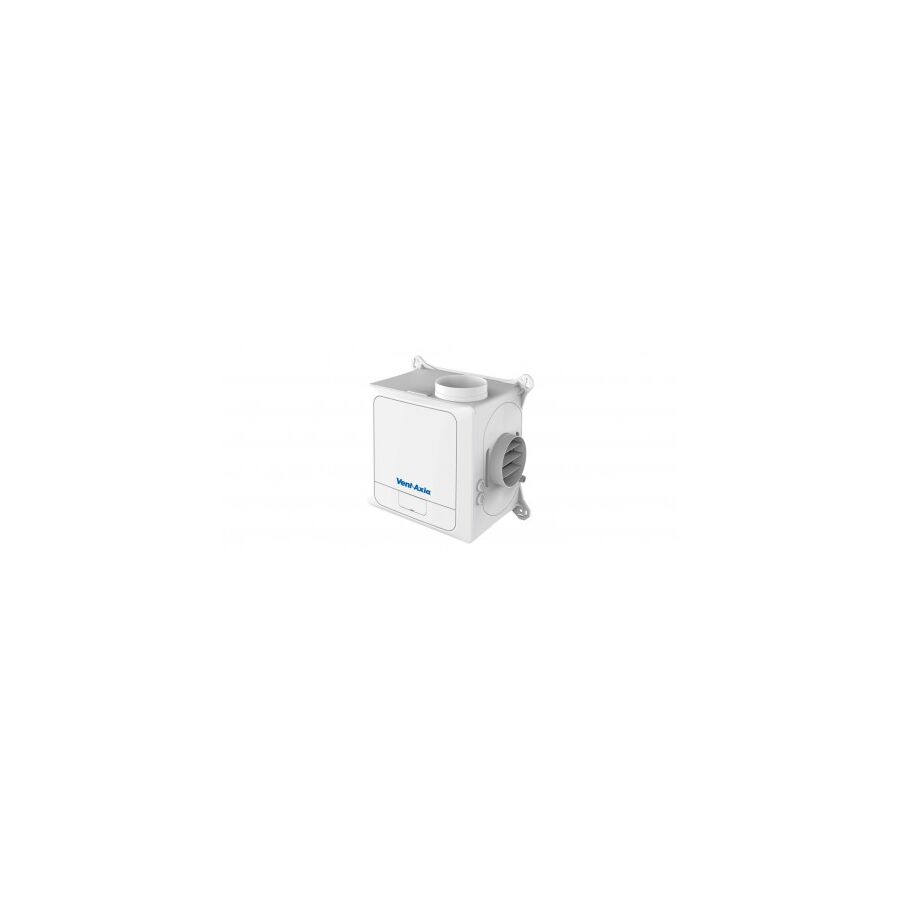
Australian buildings are becoming tighter. The NCC push for energy efficiency has accelerated airtight construction in homes and commercial spaces. Airtightness improves thermal performance, but it also traps moisture, carbon dioxide, and VOCs from paints, glues, furnishings, and everyday living. That trapped load becomes condensation, mould risk, and poor indoor air quality if it is not managed.
This is why the industry principle is now “build tight, ventilate right.” Passive leakage and window opening are not reliable strategies for consistent air exchange in modern builds, especially higher energy-rated homes. A mechanical ventilation unit provides controlled, continuous ventilation without sacrificing the energy already spent heating or cooling the space. For electricians and HVAC installers, performance depends on selecting the right recovery type, the right motor technology, and safe electrical integration that aligns with AS/NZS 3000.
HRV vs ERV
Heat recovery is the core differentiator. A mechanical ventilation unit is more than an exhaust fan. It extracts stale air from wet areas and replaces it with filtered outdoor air, while recovering energy from the outgoing stream. This reduces heating and cooling losses and keeps ventilation running year-round without a large energy penalty.
In cooler climates, HRV is commonly specified. A heat recovery core transfers sensible heat from the outgoing warm air to the incoming cold air, helping maintain indoor temperature stability. In humid climates, ERV is often preferred. An ERV core transfers heat and moisture through an enthalpy membrane, which helps manage humidity and can reduce latent load on air conditioning during summer operation.
EC motors and efficiency
Because these systems are designed for continuous operation, fan energy use and noise matter. Legacy AC motors can be inefficient and may transmit vibration into ceiling structures. Modern units increasingly rely on EC motors, which offer higher efficiency, cooler operation, and accurate speed control. Variable speed control supports commissioning targets, night-mode noise reduction, and boost operation when moisture loads rise after showers or high occupancy events.
Condensation control and mould prevention
Condensation is a major driver behind ventilation upgrades and new-build requirements. As glazing improves and thermal leakage reduces, internal humidity can become the dominant problem. Without consistent ventilation, moisture accumulates and can condense on windows and cold surfaces. More seriously, it can form inside wall and roof assemblies where it is harder to detect.
A correctly designed ventilation system manages humidity by maintaining an effective air change rate and purging moisture at the source. This reduces conditions that support mould growth and protects timber, plasterboard, insulation, and finishes across the life of the building.
Electrical integration and protection
A mechanical ventilation unit is a mechanical system with sensitive electronics. It must be powered, protected, and able to be isolated for service, consistent with AS/NZS 3000 requirements. Surge protection and correct circuit protection help reduce nuisance faults and protect control boards, especially in areas with unstable supply or frequent switching events.
This is where Schnap Electric Products can support installation quality. Schnap Electric Products offers DIN-rail isolation and protection solutions suited to building services circuits, along with modular relays and control gear that can support boost modes, timers, and occupancy-based control logic when integrating with automation systems.
Duct design, static pressure, and hygiene
Ventilation performance is only as good as the ductwork. Crushed flexible ducting, sharp bends, or undersized runs increase static pressure, which drives noise up and airflow down. As the fan works harder, energy use rises and component life can reduce. Best practice is smooth-bore ducting where practical, correct sizing, and careful grille placement to prevent short-circuiting between exhaust and intake points.
Filter maintenance is also part of the system. A unit with poor access or unclear service intervals will underperform over time. Clear filter specification, availability, and a realistic maintenance plan protect indoor air quality and keep the unit operating at its design airflow.
Sourcing and compliance
Ventilation products must be supported locally and compliant with Australian electrical safety requirements. Units should have clear performance data, local support for filters and spare parts, and RCM compliance. Many contractors source through specialist wholesalers to reduce risk and ensure the system is correctly matched to project needs.
Conclusion
A mechanical ventilation unit is now a core part of healthy, airtight building design in Australia. It controls indoor air quality, reduces moisture risk, and supports energy targets when heat or energy recovery is correctly specified. By choosing HRV or ERV to match climate, using EC motor efficiency, and integrating electrical protection and isolation with solutions from Schnap Electric Products, installers can deliver ventilation that is quiet, efficient, and built for long-term performance.

SCHNAP Electrical Wholesaler - clear, upfront pricing that professional electricians trust

Get what you need in seconds. SCHNAP electrical wholesaler makes ordering quick and simple

Fast delivery anywhere - that's guaranteed. SCHNAP electrical wholesalers ship nationwide with same-day dispatch

Track your order every step of the way. SCHNAP electrical wholesale keeps you updated from click to delivery

SCHNAP is Australia's premier electrical wholesaler and electrical supplies, marketing thousands of quality products from leading brands. Trusted for nearly two decades by licensed electricians, contractors, and engineers, our range covers everything from basic electrical components to complex industrial electrical equipment
Our key categories include: LED lighting, designer switches, commercial switchboards, circuit protection, security systems & CCTV, and smart home automation
All products are certified to Australian standards (AS/NZS), backed by our 30-day, no-questions-asked return policy. Our expert technical team helps you quickly source the right solution for any residential, commercial, or industrial project, with daily dispatch from our Sydney electrical warehouse delivering Australia-wide
SCHNAP offers the most comprehensive electrical product range, with full technical specifications, application details, installation requirements, compliance standards, and warranties — giving professionals total confidence in every purchase


Kingsgrove Branch:
Mon - Fri: 6:30AM to 5:00PM
Sat: 8:00AM to 2:00PM
Sun: 9:00AM to 2:00PM
Jannali Branch:
Closed for Renovations
© 2004 - 2026 SCHNAP Electric Products