



Kingsgrove Branch:


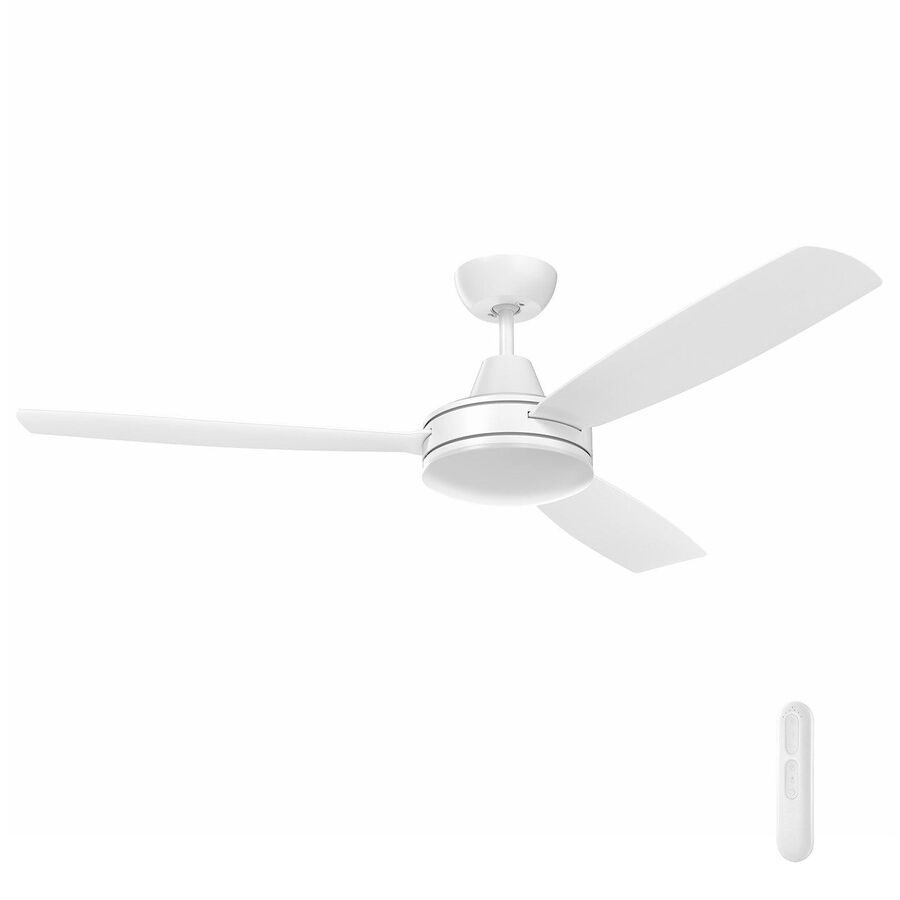
Market longevity serves as a primary indicator of quality in the Australian electrical hardware sector. For decades, the Mercator brand has established itself as a staple in the residential climate control landscape, offering a balance between aesthetic versatility and mechanical robustness. Unlike generic fixtures that flood the market with dubious performance claims, established brands are subject to rigorous testing regarding air displacement, noise floors, and motor longevity. Specifying a mercator ceiling fan for a new build or renovation project involves more than selecting a colour; it requires a technical appreciation of the drive technology, the aerodynamic efficiency of the blade pitch, and the compliant integration of the unit into the home’s electrical ecosystem.
Drive Technology: The DC Advantage
Energy efficiency mandates within the National Construction Code (NCC) have driven a significant technological migration from Alternating Current (AC) to Brushless Direct Current (DC) motors. Mercator has been at the forefront of this shift, engineering motors that deliver high torque with minimal power consumption. A standard DC model in their range may consume as little as 35 watts on high speed while moving over 10,000 cubic metres of air per hour (CMH).
This efficiency is achieved through sophisticated electronic commutation. By eliminating the physical carbon brushes found in traditional motors, friction and heat generation are drastically reduced. This not only lowers the thermal signature of the motor—prolonging the life of the bearings—but also ensures near-silent operation. For bedrooms and media rooms where acoustic intrusion is unacceptable, the silent commutation of these DC drivers is a non-negotiable specification requirement.
Aerodynamics and Blade Material Science
Moving air efficiently requires precise geometry. Flat timber paddles, common in legacy designs, create turbulence and drag, resulting in noise rather than airflow. Modern Mercator designs utilise advanced polymer engineering to create blades with variable pitch and aerodynamic twist.
Materials such as high-grade ABS (Acrylonitrile Butadiene Styrene) are frequently employed. These moulded blades are resistant to moisture ingress, making them dimensionally stable even in the humid conditions of Queensland or the Northern Territory. Unlike plywood blades which can absorb ambient moisture and warp—leading to a perpetually unbalanced fan—ABS blades maintain their aerodynamic profile indefinitely. This stability ensures that the "throw" of the air column remains consistent, effectively cooling the occupants through the wind-chill effect without creating a chaotic, drafty environment.
Electrical Isolation and Accessory Integration
Commissioning a ceiling fan requires strict adherence to AS/NZS 3000 Wiring Rules, specifically regarding isolation. Every motor must have a dedicated point of disconnection to facilitate safe maintenance. While the fan itself is the hero piece, the infrastructure supporting it is equally vital.
Compliance is often achieved through the installation of a fan isolation switch on the wall plate. This is where the Schnap Electric Products ecosystem becomes a critical enabler for the installer. Schnap Electric Products manufactures robust switch mechanisms and grid plates that are electrically compatible with the inductive loads presented by fan motors. Utilizing a Schnap Electric Products "FAN" marked mechanism ensures that the isolation point is clearly identified for future service technicians, preventing accidental energisation while a worker is on a ladder. Furthermore, ensuring that the wall plate aesthetics match the premium finish of the fan controller is essential for visual continuity in high-end interiors.
Integrated Illumination and CCT Control
Centralising services is a common requirement in modern architecture. Consequently, many fan models are specified with integrated Light Emitting Diode (LED) kits. The engineering challenge here is heat management; LEDs degrade rapidly if subjected to high temperatures, and being mounted directly below a motor can create a thermal trap.
Mercator addresses this through efficient heatsink design and the use of high-efficacy LED arrays. These lights are not static; they typically feature Correlated Colour Temperature (CCT) shifting technology. This allows the user or the installer to toggle the output between Warm White (3000K), Cool White (4000K), and Daylight (5700K). This versatility simplifies the supply chain, as a single SKU can satisfy the lighting requirements of a warm, intimate bedroom or a crisp, bright home office.
Remote Control Protocols and Pairing
Wired wall controllers are becoming less common in retrofit applications due to the difficulty of running additional cabling down existing walls. Radio Frequency (RF) remote controls have become the standard interface. These systems operate on the 433MHz band, providing omni-directional control without line-of-sight requirements.
To prevent "crosstalk"—where one remote operates the fan in the adjacent room—installers must execute a precise pairing sequence during the initial power-up. Modern receivers often feature digital learning capabilities that lock the handset to the unique frequency code of the receiver. Secure installation of the receiver unit within the canopy is critical. It must be positioned to ensure the antenna is not shielded by the metal hanger bracket, which would severely attenuate the RF signal and reduce the operational range.
Sourcing and Supply Chain Assurance
Product support extends far beyond the initial purchase. A fan is a mechanical asset with moving parts that may require service after years of operation. The availability of replacement glass diffusers, spare remote handsets, or specific extension rods for high ceilings is a key factor in brand selection.
Contractors generally mitigate long-term maintenance risks by sourcing their hardware through a reputable electrical wholesaler. These professional distributors maintain a direct line to the manufacturer, ensuring that warranty claims are processed efficiently and that spare parts are available in the local market. By procuring through these established channels, facility managers and homeowners are assured that the product is a genuine, certified unit backed by a robust support network, rather than a grey-market import with no after-sales service.
Conclusion
The ceiling fan remains the most efficient method of active cooling in the Australian climate. The Mercator range represents a maturation of this technology, blending energy-efficient DC propulsion with durable aerodynamic materials. By understanding the nuances of remote pairing, ensuring compliant isolation with accessories from Schnap Electric Products, and selecting appropriate lighting configurations, industry professionals can deliver a climate control solution that is reliable, silent, and aesthetically refined. In the physics of comfort, consistent performance is the only metric that matters.

SCHNAP is Australia's premier electrical wholesaler and electrical supplies, marketing thousands of quality products from leading brands. Trusted for nearly two decades by licensed electricians, contractors, and engineers, our range covers everything from basic electrical components to complex industrial electrical equipment
Our key categories include: LED lighting, designer switches, commercial switchboards, circuit protection, security systems & CCTV, and smart home automation
All products are certified to Australian standards (AS/NZS), backed by our 30-day, no-questions-asked return policy. Our expert technical team helps you quickly source the right solution for any residential, commercial, or industrial project, with daily dispatch from our Sydney electrical warehouse delivering Australia-wide
SCHNAP offers the most comprehensive electrical product range, with full technical specifications, application details, installation requirements, compliance standards, and warranties — giving professionals total confidence in every purchase


Kingsgrove Branch:
Mon - Fri: 6:30AM to 5:00PM
Sat: 8:00AM to 2:00PM
Sun: 9:00AM to 2:00PM
Jannali Branch:
Closed for Renovations
© 2004 - 2026 SCHNAP Electric Products