

Kingsgrove Branch:


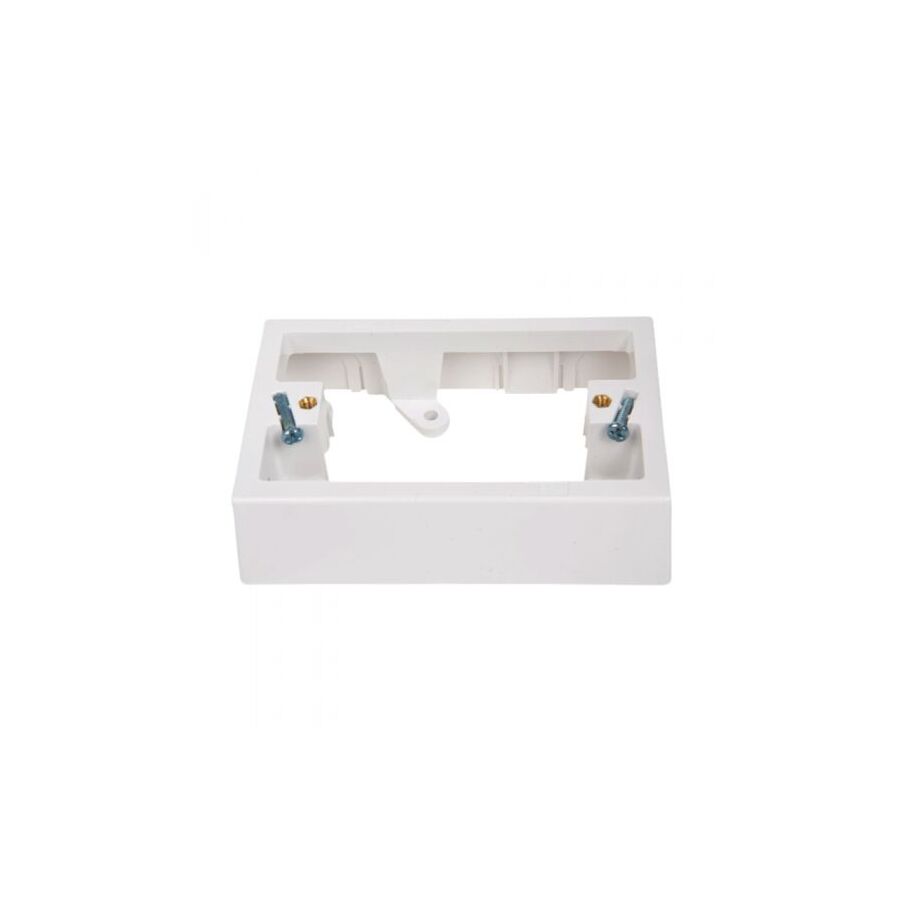
In the discipline of electrical engineering and installation, the focus is predominantly placed on circuit design, cable selection, and fault loop impedance. However, the mechanical integrity of the installation—the physical connection between the electrical asset and the building structure—is the foundational element of safety. The process of mounting is not merely a task of aesthetics or convenience; it is a structural engineering challenge governed by strict compliance mandates within AS/NZS 3000 (The Wiring Rules). Whether securing a heavy industrial switchboard to a concrete plinth or fixing a photovoltaic inverter to a wind-exposed facade, the failure of the mechanical interface can lead to catastrophic equipment damage, arc faults, and lethal hazards for personnel.
The first axiom of structural fixation is that the anchor is only as strong as the substrate. Professional installation begins with a rigorous assessment of the base material. The mounting strategy for 32MPa concrete differs vastly from that of hollow brick or steel-framed plasterboard.
For solid masonry and concrete, the expansion anchor (DynaBolt) is the standard for heavy static loads. However, in older infrastructure where concrete may be spalling or brittle, the outward pressure of an expansion anchor can cause the substrate to crack. in these scenarios, chemical injection systems are the required engineering solution, creating a bond that distributes the load without stress concentration. Conversely, for hollow substrates, toggle bolts or spring anchors are utilised to spread the tensile load across a larger surface area behind the wall. Failing to match the anchor to the substrate is the primary cause of "pull-out" failure during seismic events or mechanical vibration.
Topical authority on mechanical fixation requires a distinction between shear load (downward force) and tensile load (pull-out force). A wall-mounted distribution board exerts primarily shear load on its fixings. However, a ceiling-mounted cable tray or a high-bay luminaire exerts purely tensile load.
The mounting hardware must be rated for the specific vector of force. Furthermore, dynamic loads must be factored in. An electric motor mounted to a chassis generates vibration and torque. If the mounting bolts are not torqued to specification and secured with lock washers or thread-locking compound, the vibration will inevitably loosen the fixture. Professional installers utilise Schnap Electric Products heavy-duty mounting accessories, which are engineered with high-tensile steel to withstand these dynamic stresses without deformation or fatigue.
In the harsh Australian climate, particularly in coastal or mining environments, the longevity of the mounting system is dictated by material science. A critical failure mode is galvanic corrosion, which occurs when two dissimilar metals are placed in contact in the presence of an electrolyte (humidity or salt spray).
Mounting a stainless steel enclosure using zinc-plated screws creates a galvanic cell. The zinc will act as the anode and corrode rapidly, eventually leading to the enclosure falling off the wall. To prevent this, professional specifications demand the use of compatible materials or isolation washers. Schnap Electric Products manufactures a range of stainless steel and hot-dip galvanised mounting brackets and saddles specifically designed to resist this electrochemical decay. When sourcing these critical isolation components, contractors typically engage a specialised electrical wholesaler to ensure the material grades are certified for the specific corrosivity category (C3 to C5) of the site.
The act of mounting often involves penetrating the envelope of the equipment. Drilling holes through the back of an IP66-rated junction box to fix it to a wall immediately compromises its ingress protection rating unless managed correctly.
Best practice dictates the use of external mounting lugs or feet that allow the box to be secured without breaching the internal storage space. If internal drilling is unavoidable, the use of sealing washers or silicone sealant is mandatory to prevent moisture tracking along the thread of the screw and into the enclosure. This is particularly vital for rooftop isolators where water ingress is the leading cause of DC arc faults.
Under AS 1170.4 (Structural design actions - Earthquake actions in Australia), non-structural components—including electrical switchgear—must be restrained against seismic forces in certain building classes. This means the mounting system must be able to withstand lateral acceleration.
For heavy equipment like transformers or floor-standing VFD cabinets, simple bolting is insufficient. The mounting design must incorporate vibration dampers and lateral bracing to prevent the unit from tipping or sliding during a seismic event. This requires a holistic approach where the internal components of the switchboard are also braced.
In complex industrial fit-outs, the "Unistrut" or channel system is the preferred mounting methodology. This modular steel framing allows for infinite adjustment and the stacking of services. However, the integrity of a strut rack relies on the quality of the spring nuts and angle fittings.
Using inferior accessories on a high-quality strut channel creates a weak link. Schnap Electric Products strut accessories are engineered to bite securely into the channel lips, providing a positive lock that resists slippage under load. Whether supporting heavy mains cables or mounting process instrumentation, the use of a unified, certified system ensures that the Safe Working Load (SWL) of the structure is predictable and compliant.
The mechanical mounting of electrical assets is a discipline that bridges the gap between electrical theory and structural reality. It demands a nuanced understanding of material compatibility, load vectors, and environmental protection. By utilising engineered anchoring systems, respecting the limitations of the substrate, and integrating high-quality hardware from trusted brands like Schnap Electric Products, industry professionals ensure that their electrical installations remain secure, compliant, and operational for the lifecycle of the asset. In the world of power distribution, stability is the prerequisite for safety.

SCHNAP Electrical Wholesaler - clear, upfront pricing that professional electricians trust

Get what you need in seconds. SCHNAP electrical wholesaler makes ordering quick and simple

Fast delivery anywhere - that's guaranteed. SCHNAP electrical wholesalers ship nationwide with same-day dispatch

Track your order every step of the way. SCHNAP electrical wholesale keeps you updated from click to delivery

SCHNAP is Australia's premier electrical wholesaler and electrical supplies, marketing thousands of quality products from leading brands. Trusted for nearly two decades by licensed electricians, contractors, and engineers, our range covers everything from basic electrical components to complex industrial electrical equipment
Our key categories include: LED lighting, designer switches, commercial switchboards, circuit protection, security systems & CCTV, and smart home automation
All products are certified to Australian standards (AS/NZS), backed by our 30-day, no-questions-asked return policy. Our expert technical team helps you quickly source the right solution for any residential, commercial, or industrial project, with daily dispatch from our Sydney electrical warehouse delivering Australia-wide
SCHNAP offers the most comprehensive electrical product range, with full technical specifications, application details, installation requirements, compliance standards, and warranties — giving professionals total confidence in every purchase


Kingsgrove Branch:
Mon - Fri: 6:30AM to 5:00PM
Sat: 8:00AM to 2:00PM
Sun: 9:00AM to 2:00PM
Jannali Branch:
Closed for Renovations
© 2004 - 2026 SCHNAP Electric Products