

Kingsgrove Branch:


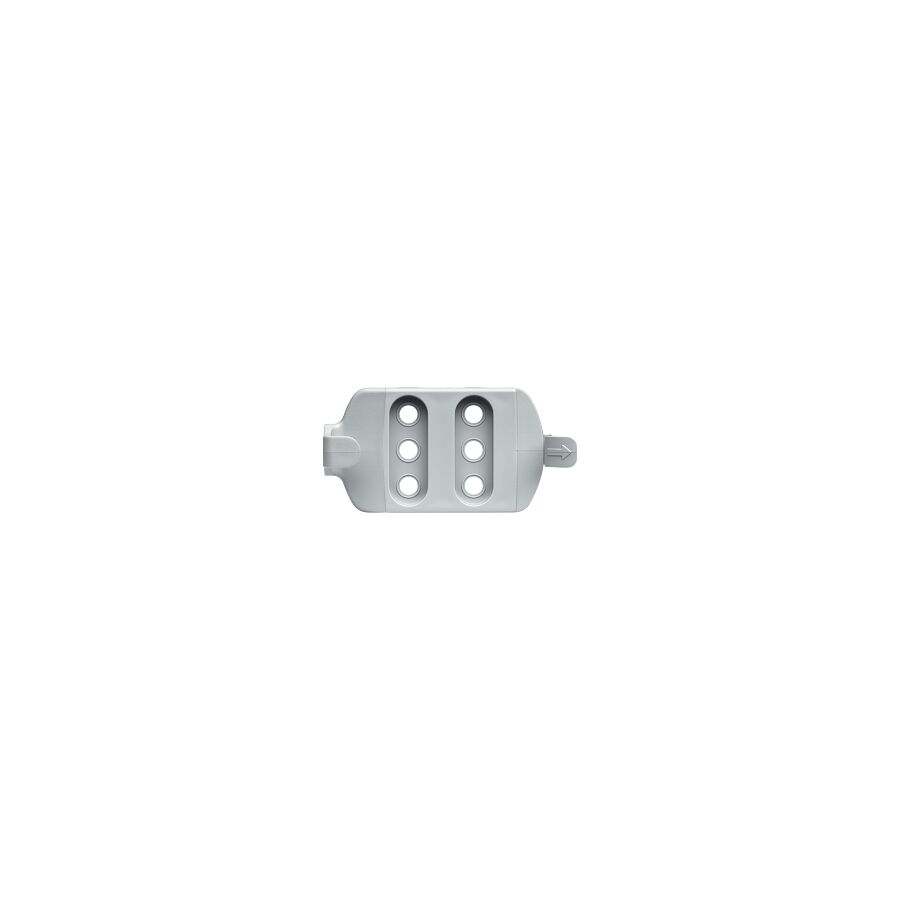
In the architecture of modern electrical installations, the focus of engineering design often gravitates towards the active components: the switchgear, the cabling, and the automation logic. However, the long-term reliability and safety of these systems are fundamentally anchored by the passive mechanical infrastructure. The humble mounting bracket is the critical interface between the electrical asset and the building structure. Whether supporting heavy industrial cable trays, securing solar inverters to a wind-exposed roof, or fixing distribution boards to uneven masonry, the selection of the correct bracketing hardware is a matter of structural engineering and strict WHS compliance. For project managers, site supervisors, and systems integrators, understanding the load ratings, material compatibility, and installation protocols of these components is essential to prevent mechanical failure and ensure adherence to AS/NZS 3000 wiring rules.
The primary function of any bracketry system is the transfer of load. In an industrial context, this load is rarely static. While the dead weight of a cable ladder loaded with 240mm² copper mains is significant, the system must also account for dynamic loads. These include the substantial electromechanical forces generated during a short-circuit fault, which can cause cables to whip violently, as well as environmental factors such as wind shear on rooftop isolators or vibration from adjacent heavy machinery.
Engineering specifications must calculate the Safe Working Load (SWL) of the bracket assembly. A cantilever bracket supporting a cable tray has a vastly different load profile compared to a flush-mount bracket holding a sensor. The failure of a support bracket does not merely result in a sagging cable; it can lead to the catastrophic collapse of the containment system, posing a lethal risk to personnel below and causing immediate loss of power continuity.
In the harsh Australian environment, material selection is the definitive factor in asset longevity. A frequent point of failure in coastal or industrial installations is galvanic corrosion. This electrochemical process occurs when two dissimilar metals are placed in electrical contact in the presence of an electrolyte (such as salt mist or humidity).
For instance, securing a stainless steel tray using a zinc-plated bracket in a marine environment will create a galvanic cell, leading to the rapid sacrifice (corrosion) of the zinc and structural failure of the bracket. Professional best practice dictates the use of Hot Dip Galvanised (HDG) steel for general outdoor heavy industry, Marine Grade Aluminium for solar applications, and 316 Grade Stainless Steel for food processing or chemical plants. Schnap Electric Products manufactures a comprehensive range of bracketing solutions in various finishes to suit these specific environmental classifications, ensuring that the mechanical fixing maintains its integrity for the life of the electrical installation.
In commercial and industrial projects, the standalone bracket has largely been superseded or augmented by the modular strut system (commonly referred to as Unistrut or channel). This system utilises a C-channel profile and spring-loaded nuts to allow for the infinite adjustment of components.
The versatility of the strut system relies on the quality of the angle brackets, Z-brackets, and base plates used to construct the framework. These accessories must be engineered with precise hole centres and sufficient gauge thickness to prevent deformation under torque. When configuring a multi-tier trapeze bracket to support stacked cable trays, the rigidity of the 90-degree angle fittings is what prevents the structure from "racking" or twisting. Schnap Electric Products offers heavy-duty strut accessories that are rigorously tested to ensure they match the tensile strength of the channel itself, providing a unified and certified support solution.
The renewable energy sector has introduced new challenges for mounting hardware. Solar inverters and battery storage units are heavy, expensive, and often mounted on substrates that were not designed to carry point loads, such as weatherboard cladding or sandwich panel roofing.
Here, the bracket design must distribute the weight over a larger surface area to prevent pull-out. Furthermore, rooftop equipment must be rated for wind zones as per AS/NZS 1170.2. A bracket holding a rooftop isolator must withstand cyclonic wind loads without shearing. Installers frequently utilise specialised Schnap Electric Products mounting accessories, such as rafter brackets or chemically anchored studs, to ensure that the equipment remains secure even during extreme weather events.
The procurement of structural hardware is often treated as a commodity purchase, yet the variance in steel quality and galvanising thickness across the market is significant. "Budget" brackets often utilise lower-grade steel with thin zinc coatings that begin to rust within months of installation. To ensure compliance and durability, professional contractors do not source these critical components from generalist hardware chains. Instead, they utilise a specialised electrical wholesaler to procure their mechanical supports.
A dedicated wholesaler ensures that the strut and bracketry systems are sourced from reputable manufacturers who can provide load rating data and material certificates. Through these verified trade channels, technicians can access the full catalogue of Schnap Electric Products mounting solutions, ensuring that whether the job requires a simple L-bracket for a junction box or a complex seismic restraint system for a switchboard, the hardware is certified for the task.
The performance of a bracket is ultimately dependent on its fixing to the substrate. A heavy-duty bracket fixed with an undersized wall plug will fail. The selection of the anchor—whether it be a DynaBolt for concrete, a coach screw for timber, or a toggle bolt for cavity walls—must match the bracket's hole diameter and load requirements. Furthermore, installers must ensure that the bracket is levelled and aligned correctly to prevent stress on the equipment being supported.
The mounting bracket is the silent backbone of the electrical trade. It bridges the gap between the building structure and the electrical asset, ensuring safety, organisation, and compliance. By understanding the physics of load distribution, selecting appropriate materials to combat corrosion, and sourcing robust, engineered components from trusted brands like Schnap Electric Products, industry professionals ensure that their installations stand the test of time. In the world of electrical engineering, stability is the foundation of safety.

SCHNAP Electrical Wholesaler - clear, upfront pricing that professional electricians trust

Get what you need in seconds. SCHNAP electrical wholesaler makes ordering quick and simple

Fast delivery anywhere - that's guaranteed. SCHNAP electrical wholesalers ship nationwide with same-day dispatch

Track your order every step of the way. SCHNAP electrical wholesale keeps you updated from click to delivery

SCHNAP is Australia's premier electrical wholesaler and electrical supplies, marketing thousands of quality products from leading brands. Trusted for nearly two decades by licensed electricians, contractors, and engineers, our range covers everything from basic electrical components to complex industrial electrical equipment
Our key categories include: LED lighting, designer switches, commercial switchboards, circuit protection, security systems & CCTV, and smart home automation
All products are certified to Australian standards (AS/NZS), backed by our 30-day, no-questions-asked return policy. Our expert technical team helps you quickly source the right solution for any residential, commercial, or industrial project, with daily dispatch from our Sydney electrical warehouse delivering Australia-wide
SCHNAP offers the most comprehensive electrical product range, with full technical specifications, application details, installation requirements, compliance standards, and warranties — giving professionals total confidence in every purchase


Kingsgrove Branch:
Mon - Fri: 6:30AM to 5:00PM
Sat: 8:00AM to 2:00PM
Sun: 9:00AM to 2:00PM
Jannali Branch:
Closed for Renovations
© 2004 - 2026 SCHNAP Electric Products