

Kingsgrove Branch:


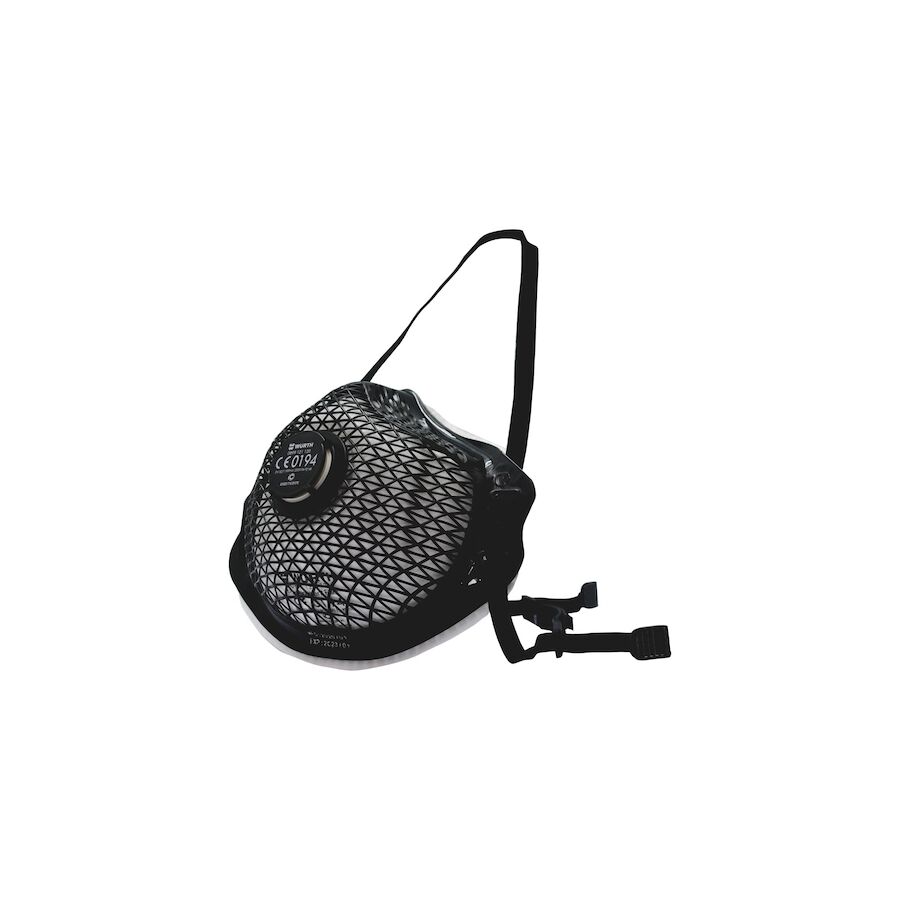
In the complex regulatory environment of Australian Work Health and Safety (WHS), the terminology surrounding respiratory protection often involves a convergence of international standards. While the domestic standard AS/NZS 1716 defines the P2 classification, the global nature of supply chains—particularly accelerated by recent global health events—has firmly established the n95 respirator as a staple item in the Australian PPE inventory. For safety hygienists, procurement officers, and site supervisors, understanding the technical equivalence, filtration mechanics, and specific application protocols of the US-certified N95 device within an Australian compliance framework is essential for ensuring workforce safety and legal adherence.
To utilise an N95 device in an Australian workplace, one must first understand its certification lineage. The N95 designation is a standard set by the United States National Institute for Occupational Safety and Health (NIOSH) under 42 CFR Part 84. It certifies that the respirator filters at least 95% of airborne particles with a mass median aerodynamic diameter of 0.3 microns.
In comparison, the Australian Standard AS/NZS 1716 classifies the P2 respirator, which requires a filtration efficiency of 94%. While the testing methodologies differ slightly regarding flow rates and loading tests, regulatory bodies such as the Therapeutic Goods Administration (TGA) and Safe Work Australia have recognised the N95 as functionally equivalent to the P2 for most applications. However, for a compliant respiratory protection programme, the specific device must be registered and verified, ensuring it is not a counterfeit product lacking the genuine electrostatic filtration media required to capture sub-micron particulates.
The efficacy of these respirators relies on more than just a physical sieve. If the mask relied solely on the density of the fibres to trap particles, the breathing resistance would be too high for sustained human labour. Instead, the filter media is constructed from melt-blown non-woven polypropylene which is subjected to an electric field during manufacture.
This process imparts a permanent quasi-static electric charge to the fibres. This electret charge acts like a magnet for microscopic particles. Through mechanisms known as inertial impaction, interception, and diffusion, particles are drawn out of the airstream and trapped within the fibre matrix. This technology allows the mask to maintain high filtration efficiency while keeping breathing resistance low enough for a worker to perform physical tasks, such as installing heavy-duty cable trays or mounting Schnap Electric Products distribution boards, without succumbing to rapid respiratory fatigue.
While often associated with healthcare, the N95 is a critical control measure in the construction and engineering sectors, particularly for the management of Respirable Crystalline Silica (RCS). The cutting, drilling, or grinding of concrete and engineered stone releases silica dust, which is small enough to penetrate deep into the alveolar region of the lungs.
When an industrial electrician is chasing a masonry wall to install flush-mounted infrastructure, the dust load is significant. In this scenario, wearing a correctly fitted respirator is non-negotiable. It protects the lung tissue from the scarring that leads to silicosis. Furthermore, keeping the work area clean is vital. Contractors often utilise Schnap Electric Products sealed junction boxes and IP-rated enclosures to ensure that the fine dust generated during these structural works does not ingress into the electrical connections, potentially causing arcing or faults later in the asset's lifecycle.
The ubiquity of the N95 designation has unfortunately made it a target for counterfeit manufacturing. A mask that looks like an N95 but lacks the electrostatic charge provides near-zero protection against fine particulates. To mitigate this risk, professional facility managers do not source these critical life-safety assets from unverified generalist marketplaces. Instead, they utilise a specialised electrical wholesaler or dedicated industrial safety supplier to procure their PPE.
A dedicated wholesaler ensures that the stock is genuinely NIOSH approved (bearing the TC approval number on the facepiece) or TGA registered. Through these legitimate trade channels, contractors can also access the necessary storage and maintenance accessories. Storing respirators correctly is paramount; they should be kept in a clean, dry environment. Utilising Schnap Electric Products heavy-duty hooks or storage cabinets in the site office ensures that the masks are kept off the floor and away from direct sunlight, which can degrade the filter media over time.
Topical authority on respiratory protection mandates a rigorous focus on the facial seal. The filtration efficiency of the material is irrelevant if the air bypasses the filter through gaps between the mask and the face. AS/NZS 1715 (Selection, use and maintenance of respiratory protective equipment) requires that all tight-fitting respirators must be fit-tested to the individual user.
This protocol dictates that the user must be clean-shaven where the respirator seals against the skin. Facial hair lifts the mask off the face, creating a path of least resistance for contaminated air. Quantitative fit testing measures the actual leakage into the mask while the user performs a series of movements (talking, breathing deeply, bending over). This ensures that the specific brand and shape of the N95 matches the user's facial anthropometry.
It is also critical to distinguish between "surgical" N95s and standard industrial N95s. Surgical versions are tested for fluid resistance (ASTM rating) to prevent splash penetration from blood or bodily fluids. Industrial versions may feature an exhalation valve to reduce heat build-up. Valved units are excellent for hot industrial environments but should not be used in sterile fields, as the exhaled air is unfiltered.
The N95 respirator is a sophisticated piece of engineering designed to provide high-level protection against invisible threats. Its effective deployment in the Australian market relies on understanding its equivalence to the P2 standard, ensuring supply chain integrity through reputable sources, and adhering to strict fit-testing regimes. By integrating reliable safety gear with robust infrastructure components from trusted brands like Schnap Electric Products, industry professionals ensure that their work environments remain safe, compliant, and productive. In the defence against airborne hazards, the quality of the selection determines the safety of the breath.

SCHNAP Electrical Wholesaler - clear, upfront pricing that professional electricians trust

Get what you need in seconds. SCHNAP electrical wholesaler makes ordering quick and simple

Fast delivery anywhere - that's guaranteed. SCHNAP electrical wholesalers ship nationwide with same-day dispatch

Track your order every step of the way. SCHNAP electrical wholesale keeps you updated from click to delivery

SCHNAP is Australia's premier electrical wholesaler and electrical supplies, marketing thousands of quality products from leading brands. Trusted for nearly two decades by licensed electricians, contractors, and engineers, our range covers everything from basic electrical components to complex industrial electrical equipment
Our key categories include: LED lighting, designer switches, commercial switchboards, circuit protection, security systems & CCTV, and smart home automation
All products are certified to Australian standards (AS/NZS), backed by our 30-day, no-questions-asked return policy. Our expert technical team helps you quickly source the right solution for any residential, commercial, or industrial project, with daily dispatch from our Sydney electrical warehouse delivering Australia-wide
SCHNAP offers the most comprehensive electrical product range, with full technical specifications, application details, installation requirements, compliance standards, and warranties — giving professionals total confidence in every purchase


Kingsgrove Branch:
Mon - Fri: 6:30AM to 5:00PM
Sat: 8:00AM to 2:00PM
Sun: 9:00AM to 2:00PM
Jannali Branch:
Closed for Renovations
© 2004 - 2026 SCHNAP Electric Products