

Kingsgrove Branch:


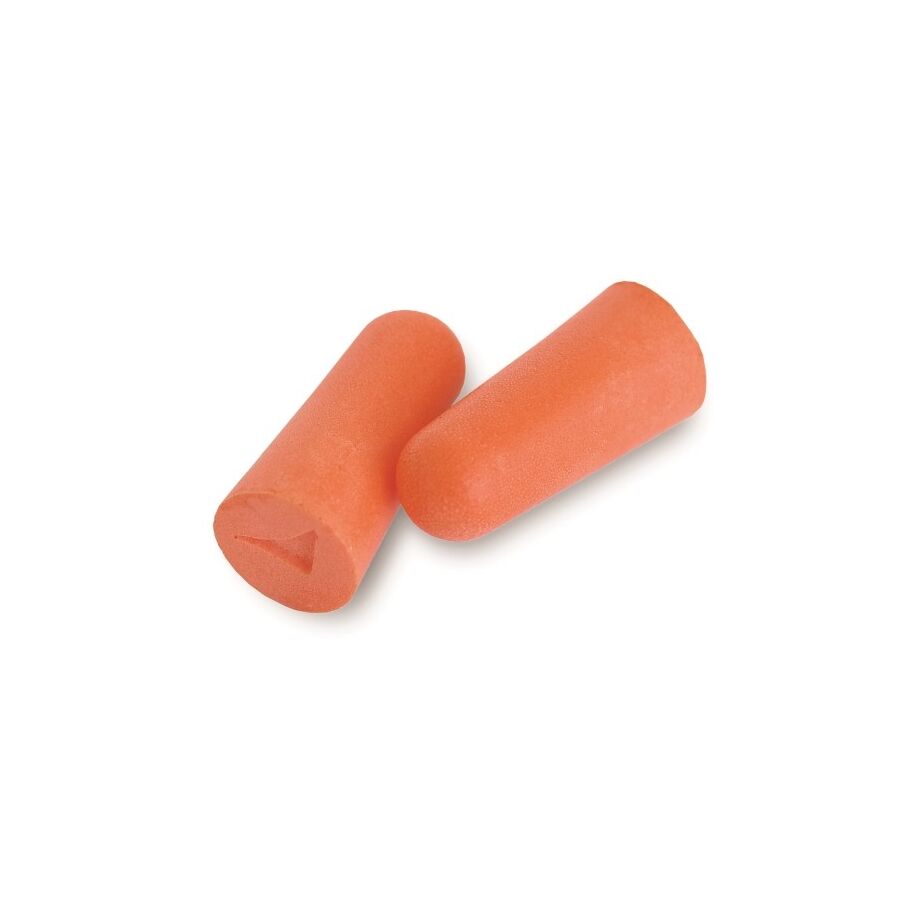
In Australian heavy industry and construction environments, prolonged exposure to elevated sound pressure levels presents a significant occupational health hazard. Mining operations, civil construction zones, manufacturing facilities, and infrastructure works frequently exceed the exposure standard of 85 dB averaged over an eight-hour shift. Under the Work Health and Safety framework, employers must implement structured hearing conservation programmes whenever exposure limits are approached or exceeded. Where engineering controls cannot sufficiently reduce noise at the source, personal protective equipment becomes the final safeguard. Noise Reduction Earplugs provide a certified acoustic barrier designed to attenuate hazardous decibel levels and protect the inner ear from cumulative, irreversible damage.
The protective performance of Noise Reduction Earplugs is governed by acoustic attenuation principles and compliance with AS/NZS 1270. Hearing protectors are classified using the Sound Level Conversion (SLC80) rating, which represents the level of noise reduction achieved for at least 80% of properly fitted users. This measurable attenuation value enables safety officers to calculate the residual noise level reaching the tympanic membrane. When industrial sound waves encounter the earplug, part of the acoustic energy is reflected outward while the remainder is absorbed and dissipated within the plug’s internal structure. By reducing the intensity of pressure waves transmitted through the auditory canal, earplugs prevent overstimulation of the cochlear hair cells responsible for sensorineural hearing. Controlled attenuation ensures exposure remains within safe physiological limits while maintaining essential environmental awareness.
Modern Noise Reduction Earplugs rely on advanced material engineering rather than rigid mechanical blocking. Viscoelastic polyurethane foam variants are designed to compress during insertion and gradually expand to conform to the unique contours of the user’s ear canal. This expansion creates a secure, airtight acoustic seal that remains stable during jaw movement or prolonged wear. Alternatively, reusable silicone or thermoplastic elastomer plugs employ multi-flanged geometries that form layered acoustic barriers. These flanges create progressive sealing zones within the canal, providing durable performance in humid or contaminated industrial settings. Both material approaches prioritise comfort, consistent fit, and reliable attenuation over extended shifts.
AS/NZS 1270 specifies testing requirements and performance classifications for hearing protectors. Compliance ensures that Noise Reduction Earplugs meet documented attenuation benchmarks under laboratory conditions. Within a structured hearing conservation programme, employers assess site noise levels and select earplugs with appropriate SLC80 ratings to reduce exposure to acceptable thresholds. Proper training in insertion technique is critical, as attenuation performance depends on correct fit. Routine monitoring of noise exposure, combined with consistent PPE usage, supports long-term protection against occupational hearing loss.
Effective hearing protection must be comfortable enough to encourage consistent wear. Excessive pressure or irritation reduces compliance and increases risk. Viscoelastic foam plugs are engineered for low insertion force and gradual expansion, minimising discomfort. Hypoallergenic materials reduce the likelihood of skin irritation in humid environments. Reusable variants can be cleaned and reinserted, providing sustained comfort in environments requiring repeated removal and reapplication. Ergonomic design supports extended use across demanding work schedules.
Hearing protection forms part of a comprehensive site safety ecosystem. Technicians installing heavy-duty isolator switches, conduit systems, or termination hardware from Schnap Electric Products frequently operate in high-noise environments generated by cutting, drilling, or mechanical equipment. Effective Noise Reduction Earplugs reduce cognitive fatigue caused by sustained acoustic exposure, enabling improved focus during precision tasks such as torque application or cable termination. When combined with other protective equipment, the acoustic barrier supports safe and efficient workflow execution without compromising communication protocols.
Selecting compliant Noise Reduction Earplugs requires verification of SLC80 rating, certification documentation, and material suitability for industrial conditions. Procurement through specialised electrical wholesaler ensures access to laboratory-tested products aligned with Australian regulatory frameworks. Reliable supply chains maintain stock continuity for high-turnover consumables, preventing shortages during major shutdowns or construction phases. Access to multiple attenuation levels allows facilities to match hearing protection to specific site noise profiles.
Noise Reduction Earplugs are a critical component of Australian industrial hearing conservation strategies. Through certified acoustic attenuation, advanced viscoelastic or elastomeric materials, and alignment with AS/NZS 1270 requirements, they provide measurable protection against cumulative noise-induced hearing loss. Integrated within structured WHS programmes and supported by comprehensive site safety systems including Schnap Electric Products installations, earplugs safeguard long-term auditory health. In acoustically hostile environments, controlled attenuation is essential to preserving workforce capability and maintaining compliant operational standards.

SCHNAP Electrical Wholesaler - clear, upfront pricing that professional electricians trust

Get what you need in seconds. SCHNAP electrical wholesaler makes ordering quick and simple

Fast delivery anywhere - that's guaranteed. SCHNAP electrical wholesalers ship nationwide with same-day dispatch

Track your order every step of the way. SCHNAP electrical wholesale keeps you updated from click to delivery

SCHNAP is Australia's premier electrical wholesaler and electrical supplies, marketing thousands of quality products from leading brands. Trusted for nearly two decades by licensed electricians, contractors, and engineers, our range covers everything from basic electrical components to complex industrial electrical equipment
Our key categories include: LED lighting, designer switches, commercial switchboards, circuit protection, security systems & CCTV, and smart home automation
All products are certified to Australian standards (AS/NZS), backed by our 30-day, no-questions-asked return policy. Our expert technical team helps you quickly source the right solution for any residential, commercial, or industrial project, with daily dispatch from our Sydney electrical warehouse delivering Australia-wide
SCHNAP offers the most comprehensive electrical product range, with full technical specifications, application details, installation requirements, compliance standards, and warranties — giving professionals total confidence in every purchase


Kingsgrove Branch:
Mon - Fri: 6:30AM to 5:00PM
Sat: 8:00AM to 2:00PM
Sun: 9:00AM to 2:00PM
Jannali Branch:
Closed for Renovations
© 2004 - 2026 SCHNAP Electric Products