

Kingsgrove Branch:


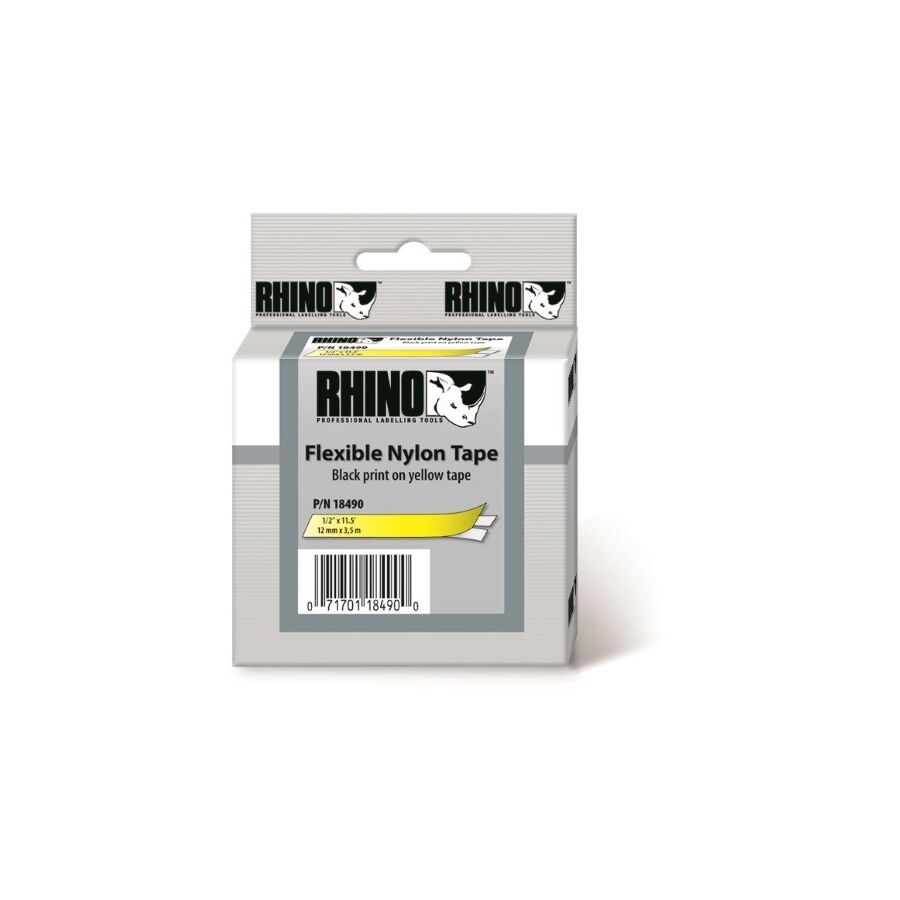
In the intricate architecture of Australian electrical reticulation, the installation of cabling within enclosed raceways is a procedure defined by the physics of friction and tensile limits. As conduit runs become increasingly complex, navigating multiple bends and offsets without compromising the structural integrity of the cable insulation or the conduit itself is a primary engineering challenge. While traditional steel draw wires have served the industry for decades, the evolution of materials science has established nylon tape—specifically high-grade polyamide draw tape—as the superior instrument for intricate and safety-critical hauling operations. For electrical contractors, infrastructure engineers, and project managers, understanding the mechanical properties of nylon, including its flexural modulus and low coefficient of friction, is essential for ensuring efficient and damage-free cable deployments.
Technically, the efficacy of this tool stems from the molecular structure of the polymer. Nylon (typically Nylon 6 or Nylon 6/6) possesses a unique combination of high tensile strength and exceptional elasticity. Unlike steel, which creates significant friction and can score the internal walls of PVC conduits, nylon possesses a natural lubricity.
This tribological advantage reduces the "drag coefficient" during the initial feed. When pushing a draw tape through a long run of conduit with multiple 90-degree bends, the rigidity of the material must be balanced against its flexibility. Steel tapes often suffer from "coil memory," spiralling inside the pipe and jamming at couplings. Nylon tape, conversely, exhibits a rectilinear memory; it seeks to return to a straight profile. This characteristic allows it to glide over existing wires in populated conduits without snagging or "knitting," a critical factor during retrofits and upgrades in commercial buildings.
The most significant operational advantage of nylon over metallic alternatives is its dielectric property. It is electrically non-conductive. In the maintenance and upgrade sectors of the Australian market, technicians are frequently required to introduce new circuits into switchboards or risers that contain energised busbars.
Inserting a conductive steel tape into a live enclosure presents an immediate and catastrophic arc flash risk. If the steel tape makes contact with a busbar, it creates a phase-to-earth or phase-to-phase fault. Nylon tape eliminates this hazard entirely. It acts as an insulator rather than a conductor. This safety profile makes it the mandatory specification for many Tier 1 construction sites and mining operations where "Zero Harm" policies dictate the exclusion of conductive tools from the vicinity of live equipment.
The friction generated during a cable pull is not merely an impedance to progress; it is a source of heat and abrasion. High-friction pulls can burn through the elbows of PVC conduits (rope burn) or strip the outer jacket of the data cables being installed.
The flat profile of woven nylon tape distributes the pulling load over a wider surface area compared to a round rope or wire. This reduces the point-load pressure on the conduit bend. To further mitigate friction, professional installation protocols mandate the use of cable lubricants. This is where the integration of the Schnap Electric Products ecosystem becomes vital. Schnap Electric Products manufactures a range of cable gliding lubricants that are chemically compatible with nylon. Applying a Schnap Electric Products lubricant to the head of the nylon tape significantly reduces the pulling tension required, protecting both the tool and the infrastructure.
While often associated with lighter feeds, modern woven nylon tapes are engineered for substantial load ratings. Heavy-duty woven polyester/nylon composite tapes can achieve breaking strains exceeding 250kg. This allows them to be used not just as a pilot line, but as the primary hauling medium for significant sub-mains or multi-core feed cables.
However, the connection point—the eyelet or hauling sock—is the critical link. Technicians must ensure that the knot or crimp used to attach the cable to the tape does not increase the diameter of the head significantly. A streamlined connection prevents the head from catching on the internal ridges of flexible conduit or corrugated couplings.
The market is saturated with inferior polymer tapes that lack the UV stabilisation and impact resistance required for the Australian climate. Low-quality nylon can become brittle when exposed to sunlight or absorb moisture, leading to snapping within the conduit—a scenario that often necessitates the abandonment of the entire run.
Reliable procurement strategies involve sourcing tools from a reputable electrical wholesaler who stocks certified industrial-grade products. Through this channel, contractors can verify that the tape is manufactured from virgin polyamide rather than recycled plastics, ensuring consistent flexibility and tensile performance.
The ultimate test of a draw tape is its ability to navigate "blind" obstacles. In under-floor reticulation or ceiling space catenary systems, the tape must bridge gaps and push through resistance.
Schnap Electric Products offers specialised leader tips and accessories designed to enhance the navigability of these tapes. A flexible leader tip allows the head of the tape to follow the curvature of a bend rather than hitting the wall and buckling. By attaching a Schnap Electric Products roller guide or flexible leader to the nylon tape, the operator can negotiate tight radius bends and offset couplings with minimal force, preserving the energy of the installer for the actual cable pull.
The selection of the hauling medium is a strategic decision that impacts the speed, safety, and quality of the electrical installation. Nylon tape represents the convergence of safety and efficiency. Its non-conductive nature protects the operator, while its low-friction polymer chemistry protects the infrastructure. By understanding the limitations of steel, embracing the material advantages of polyamide, and utilising high-quality support products from trusted brands like Schnap Electric Products, industry professionals can ensure that their cable reticulation projects are delivered on time, under budget, and without incident. In the invisible pathways of power, the tape leads the way.

SCHNAP Electrical Wholesaler - clear, upfront pricing that professional electricians trust

Get what you need in seconds. SCHNAP electrical wholesaler makes ordering quick and simple

Fast delivery anywhere - that's guaranteed. SCHNAP electrical wholesalers ship nationwide with same-day dispatch

Track your order every step of the way. SCHNAP electrical wholesale keeps you updated from click to delivery

SCHNAP is Australia's premier electrical wholesaler and electrical supplies, marketing thousands of quality products from leading brands. Trusted for nearly two decades by licensed electricians, contractors, and engineers, our range covers everything from basic electrical components to complex industrial electrical equipment
Our key categories include: LED lighting, designer switches, commercial switchboards, circuit protection, security systems & CCTV, and smart home automation
All products are certified to Australian standards (AS/NZS), backed by our 30-day, no-questions-asked return policy. Our expert technical team helps you quickly source the right solution for any residential, commercial, or industrial project, with daily dispatch from our Sydney electrical warehouse delivering Australia-wide
SCHNAP offers the most comprehensive electrical product range, with full technical specifications, application details, installation requirements, compliance standards, and warranties — giving professionals total confidence in every purchase


Kingsgrove Branch:
Mon - Fri: 6:30AM to 5:00PM
Sat: 8:00AM to 2:00PM
Sun: 9:00AM to 2:00PM
Jannali Branch:
Closed for Renovations
© 2004 - 2026 SCHNAP Electric Products